When applicants ask about Canada tourist visa processing time after biometrics, they are usually at the most anxious stage of the process. Biometrics feels like the final major step, and many expect a decision soon after. In practice, this is where timelines diverge the most. Some applications move quickly; others appear to stall with no visible updates.
This article explains—clearly and realistically—what happens after biometrics, how long processing usually takes, why delays occur, and how to interpret status updates. The focus is practical: what you should expect, what is normal, and what is not.
What “After Biometrics” Actually Means in Visa Processing
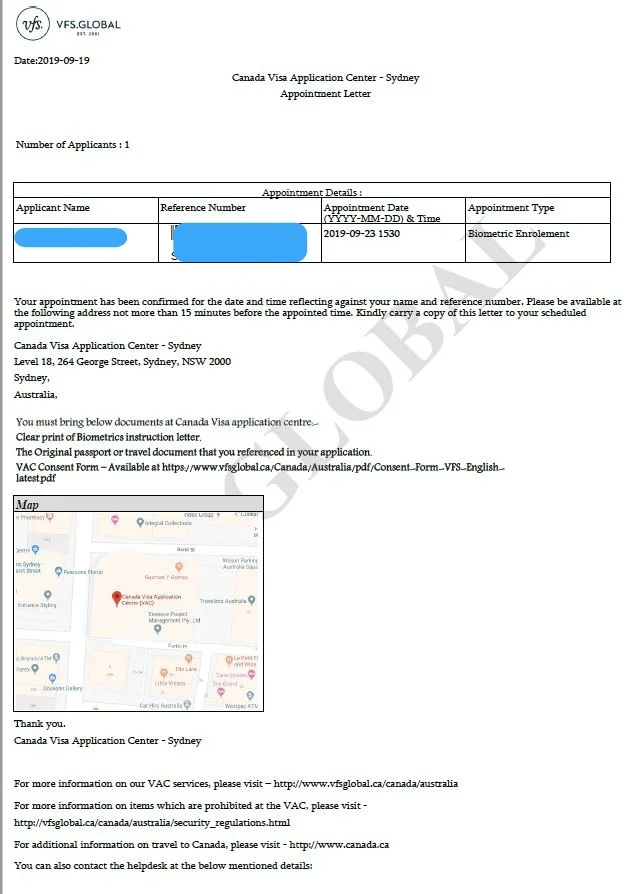
Submitting biometrics does not start a new processing phase; it unlocks the remaining assessment stages of your visitor visa file. Once biometrics are collected and linked to your application, visa officers can proceed with background and eligibility checks.
After biometrics, your file typically moves through:
- Identity verification
- Security and background screening
- Eligibility assessment
- Final decision and passport request (if approved)
These steps happen internally and are not shown in detail on your online account.
Average Canada Tourist Visa Processing Time After Biometrics
Typical Timeline Range
For most applicants, Canada tourist visa processing time after biometrics ranges from 2 to 8 weeks. However, this is not a fixed window.
A realistic breakdown looks like this:
- Fast cases: 10–20 days after biometrics
- Average cases: 3–6 weeks
- Delayed cases: 2–3 months or longer
The official processing time published by Immigration, Refugees and Citizenship Canada always includes the period after biometrics, not just document submission.
Why Processing Time Varies After Biometrics
Applicant Country and Visa Office Load
Applications are processed by regional visa offices. Some offices handle significantly higher volumes, especially from:
- India
- Philippines
- Nigeria
- Pakistan
High volume directly affects post-biometrics timelines.
Background and Travel History Checks
Applicants with:
- Extensive travel history
- Multiple previous visas
- Long gaps in travel or employment
often undergo longer background verification, which happens after biometrics.
This is routine and does not imply a problem.
Purpose of Travel and Documentation Quality
Clear travel intent (tourism, family visit, short stay) supported by:
- Strong financial proof
- Clear ties to home country
- Consistent documentation
tends to move faster after biometrics than vague or poorly explained travel plans.
Step-by-Step: What Happens After Biometrics Submission
Step 1: Biometrics Confirmation Update
Within 24–72 hours, your IRCC account usually shows:
“Biometrics received”
If this update does not appear after 5 working days, it may indicate a technical delay.
Step 2: Background Check Begins
This is the longest and least transparent stage. Your account may show:
“We are processing your background check”
This message can remain unchanged for weeks.
Step 3: Eligibility Review
Visa officers assess:
- Purpose of visit
- Financial sufficiency
- Home country ties
- Previous immigration compliance
This stage happens silently, with no visible status change.
Step 4: Final Decision
If approved:
- You receive a Passport Request (PPR) email
If refused:
- A refusal letter appears in your account with reasons
There is no separate “final review” notification before the decision.
Online Account Status Messages Explained
Many applicants misinterpret status updates after biometrics. Here is what they actually mean:
- “Application is in progress”
Normal. No action required. - “Background check in progress”
Routine verification. Can last several weeks. - No update for weeks
Common and not an indicator of refusal. - Sudden decision without prior updates
Also normal.
The system does not reflect real-time officer activity.
Peak Seasons and Their Impact on Post-Biometrics Processing
High-Delay Periods
Processing after biometrics slows noticeably during:
- April–August (summer travel)
- November–January (holiday travel)
- Post-policy announcements
During these periods, even straightforward applications may exceed average timelines.
Does Biometrics Guarantee Faster Approval?
No. Biometrics are mandatory, not prioritizing. Submitting them early helps avoid delays, but it does not accelerate decision-making.
What actually helps:
- Clean documentation
- Clear travel purpose
- Consistent personal and financial information
Can You Track Progress After Biometrics?
Online Account Tracking
Your IRCC account is the only official tracking tool. Third-party trackers or “insider timelines” are unreliable.
Webform Enquiries
You may raise a webform enquiry if:
- Your application exceeds published processing times
- Biometrics status is not updated after 7 days
Responses are often generic but can confirm if your file is active.
Common Reasons for Delays After Biometrics
- Verification of employment or financial documents
- Security screening extensions
- Incomplete travel history explanation
- Internal workload redistribution between visa offices
None of these automatically signal refusal.
Real-World Scenarios Applicants Experience
Scenario 1: Quick Decision
Applicant submits biometrics, receives passport request within 14 days due to:
- Strong travel history
- Previous Canadian or US visa
- Clear financial proof
Scenario 2: Long Silence, Then Approval
No updates for 6–7 weeks, followed by sudden approval email. Very common.
Scenario 3: Delayed and Refused
Extended processing due to weak ties or unclear travel purpose, ending in refusal.
Timelines alone do not predict outcomes.
How Long After Biometrics Should You Worry?
A reasonable expectation:
- Up to 6 weeks: Normal
- 6–10 weeks: Delayed but common
- Beyond 10 weeks: Worth raising a webform enquiry
Avoid repeated enquiries; they do not speed up processing.
What You Should Not Do After Biometrics
- Do not submit duplicate applications
- Do not re-upload documents unless requested
- Do not rely on unofficial “approval trends”
- Do not cancel travel plans prematurely
Patience is part of the process.
Frequently Asked Questions (FAQ)
How long after biometrics will I get a Canada tourist visa?
Most applicants receive a decision within 2 to 8 weeks after biometrics, depending on case complexity and visa office workload.
Is no update after biometrics a bad sign?
No. Long periods with no visible updates are normal and do not indicate refusal.
Can I travel while waiting after biometrics?
Yes, as long as you do not need to submit your passport immediately and have valid travel documents.
Does biometrics mean my visa is almost approved?
Not necessarily. Biometrics allow processing to continue; they do not signal approval.
Will contacting IRCC speed up processing?
No. Enquiries only provide status clarification, not acceleration.
Why is my friend’s visa approved faster after biometrics?
Each application is assessed individually based on documentation, travel history, and background checks.
Can processing time after biometrics exceed official estimates?
Yes, especially during peak seasons or additional security screening.
What if my biometrics status does not update?
If it remains unchanged after 7 working days, submit a webform enquiry.
Key Takeaways for Applicants
Canada tourist visa processing time after biometrics is variable, opaque, and often longer than expected. The lack of updates is normal, and speed is influenced more by case clarity than by submission order.
Understanding what happens behind the scenes reduces unnecessary stress and prevents costly mistakes during the waiting period.
Disclaimer
Processing times and procedures may change without notice based on government policy, application volume, or security requirements. Always rely on official IRCC communication for case-specific guidance.