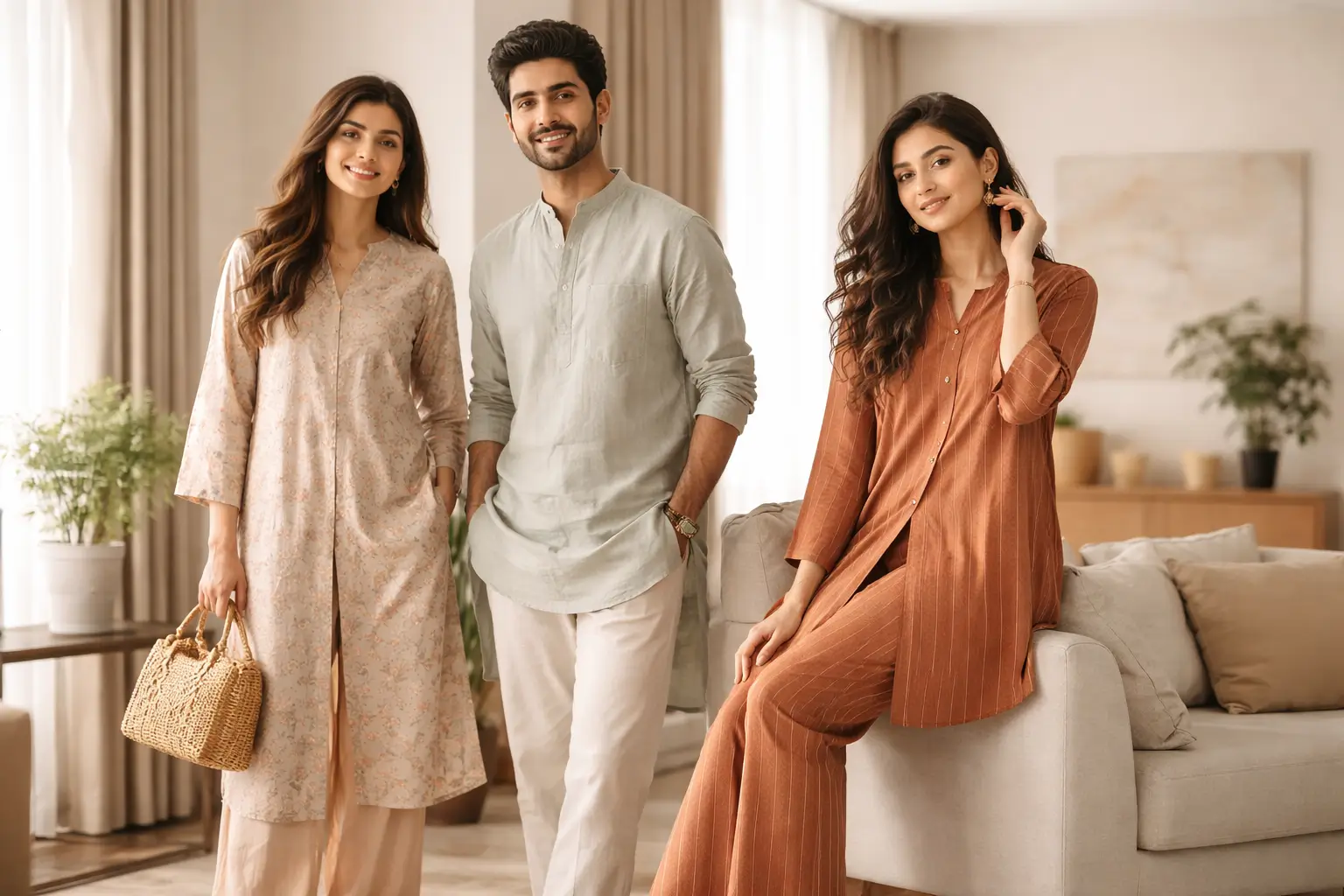
Indian wear is no longer reserved for weddings, festivals, or special occasions. Across cities, small towns, offices, campuses, and social gatherings, traditional silhouettes are being reinterpreted for daily life. The latest trends in Indian wear reflect a deeper shift—towards comfort, cultural continuity, and individual expression—without losing relevance in a fast-moving, modern lifestyle.
This evolution is not driven by runway spectacle alone. It is shaped by how people actually live, work, travel, and socialize today. Everyday Indian fashion has become softer, lighter, and more adaptable, while still staying rooted in familiar forms.
The Rise of Comfort-First Indian Wear
One of the most visible shifts in recent years is the prioritisation of comfort. Indian wear is moving away from rigid tailoring and heavy embellishment toward breathable fabrics and relaxed cuts.
Designers and mass brands alike are focusing on:
- Easy-to-wear kurtas with softer structures
- Elasticated waistbands replacing stiff drawstrings
- Fluid silhouettes that allow movement throughout the day
This change reflects practical realities. Long work hours, commuting, and multi-purpose dressing have made comfort non-negotiable. The latest trends in Indian wear acknowledge this without compromising visual appeal.
Fabrics Taking Centre Stage
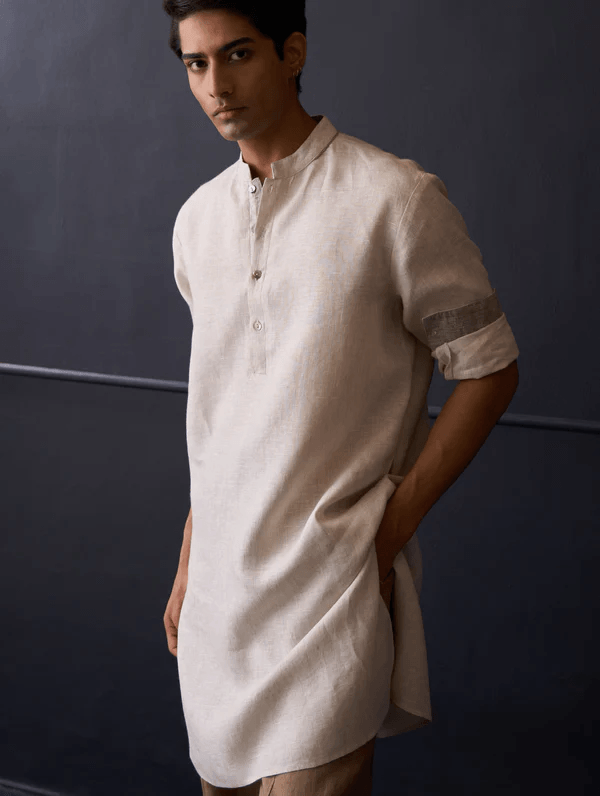
Fabric choices now define everyday Indian fashion more than ornamentation. Natural, climate-friendly textiles are seeing renewed demand.
Key fabric trends include:
- Cotton and cotton blends for daily wear
- Linen for summer-ready kurtas and co-ord sets
- Handloom fabrics adapted into minimal designs
- Lightweight silks used subtly instead of heavily
Rather than appearing festive or formal, these fabrics are styled in muted tones and simple finishes, making them suitable for routine wear.
Muted Colours and Earthy Palettes
Bright festive colours will always have their place, but everyday Indian wear is embracing softer shades. The current colour story reflects calm, versatility, and longevity.
Popular palettes include:
- Off-whites, ivories, and warm neutrals
- Earthy browns, rust, and olive greens
- Powder blues, sage, and dusty pinks
- Washed indigos and charcoal greys
These shades work across age groups and settings, allowing the same garment to be worn casually or styled up when needed.
Indian Wear Moving into Workspaces
Another defining change is how Indian wear is being adapted for professional environments. Offices that once leaned heavily toward Western formals are now more accepting of Indian silhouettes.
Common workplace adaptations include:
- Straight-cut kurtas paired with tailored pants
- Subtle prints replacing bold patterns
- Minimal dupattas or scarf-style drapes
- Neutral colours suited for formal settings
The latest trends in Indian wear recognise that professionalism today is less about conformity and more about personal ease and confidence.
Co-Ord Sets Becoming Everyday Essentials
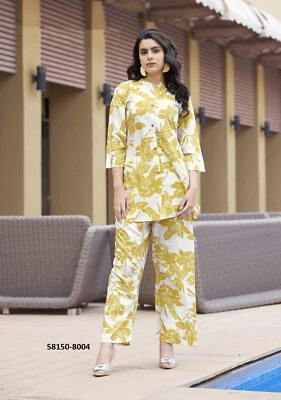
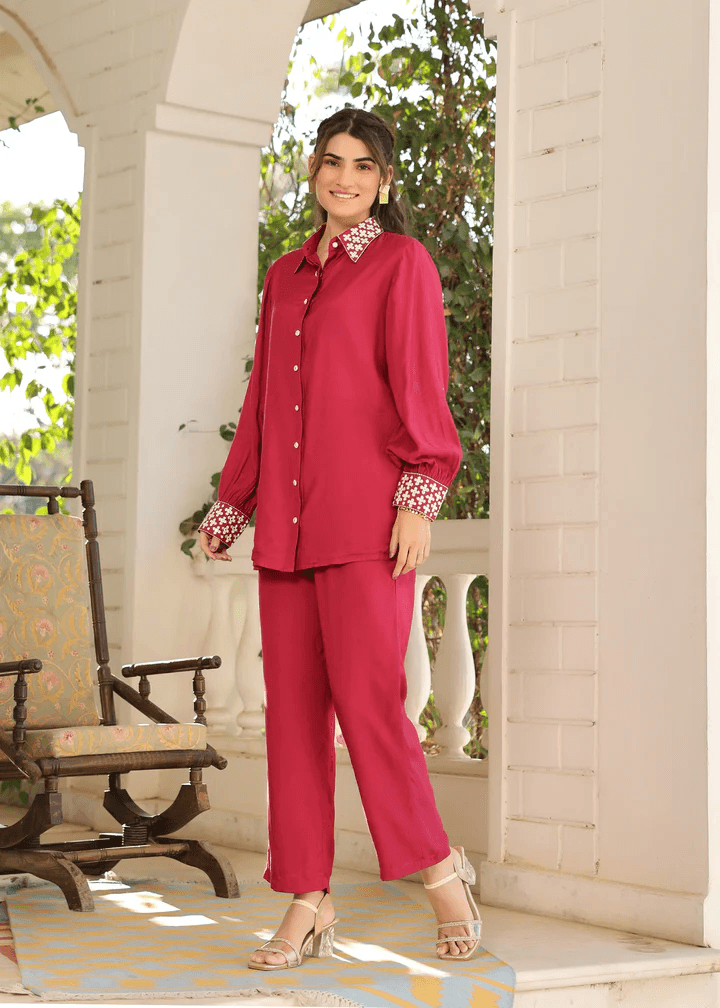
Co-ord sets have quietly become one of the most influential trends in Indian wear. Their appeal lies in simplicity and versatility.
Why co-ord sets work so well:
- Ready-made styling with minimal effort
- Easy to mix and match with other pieces
- Suitable for travel, work-from-home, and casual outings
Indian co-ords often feature kurta-style tops, relaxed bottoms, and soft prints, making them practical for daily routines.
Prints That Feel Familiar Yet Modern
Prints are being used more thoughtfully. Instead of loud repetition, designers are refining traditional motifs into cleaner, contemporary layouts.
Trending print styles include:
- Small block prints on light backgrounds
- Minimal florals inspired by regional art
- Linear and geometric patterns
- Subtle ikat and stripe influences
These prints feel rooted but not overwhelming, allowing them to blend seamlessly into everyday wardrobes.
Regional Influences in Daily Fashion
Indian wear trends are increasingly shaped by regional styles, adapted for wider audiences. Elements once considered niche are now influencing mainstream everyday fashion.
Examples include:
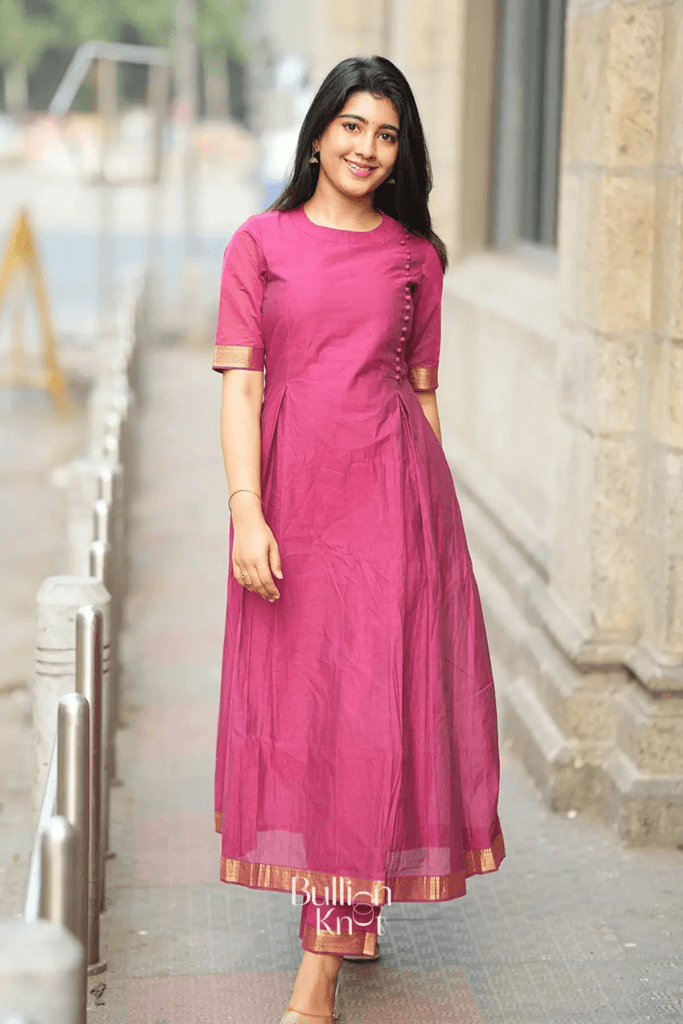
- South Indian-inspired long kurtas with clean lines
- Eastern handloom textures in modern silhouettes
- North Indian kurta-pajama styles simplified for daily use
This cross-regional exchange adds depth and authenticity to contemporary Indian wear.
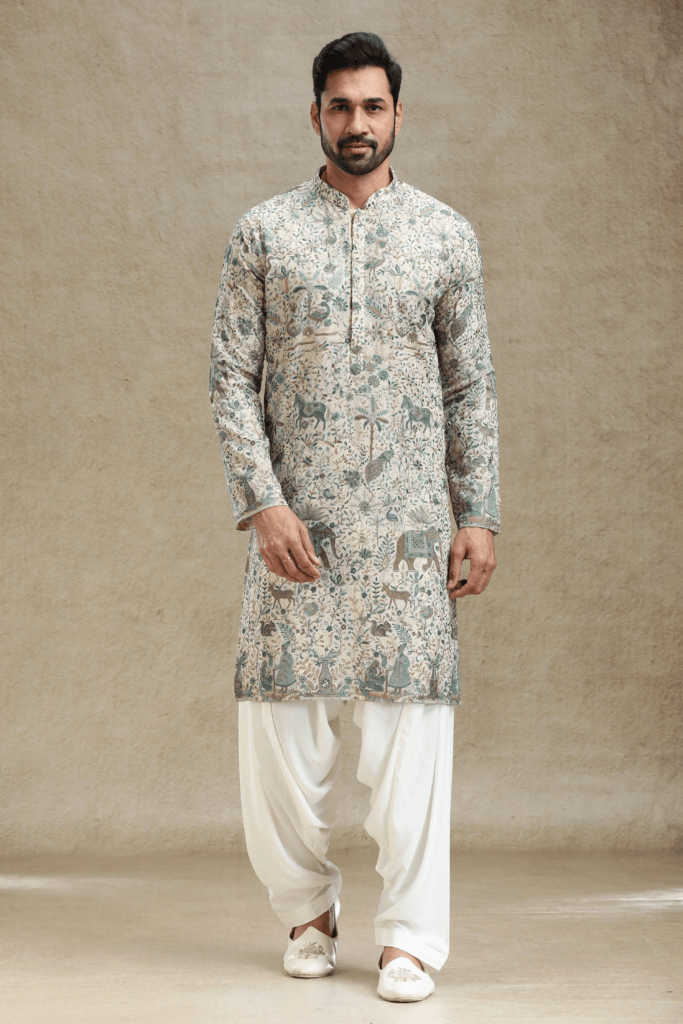
Men’s Indian Wear Finding Everyday Relevance
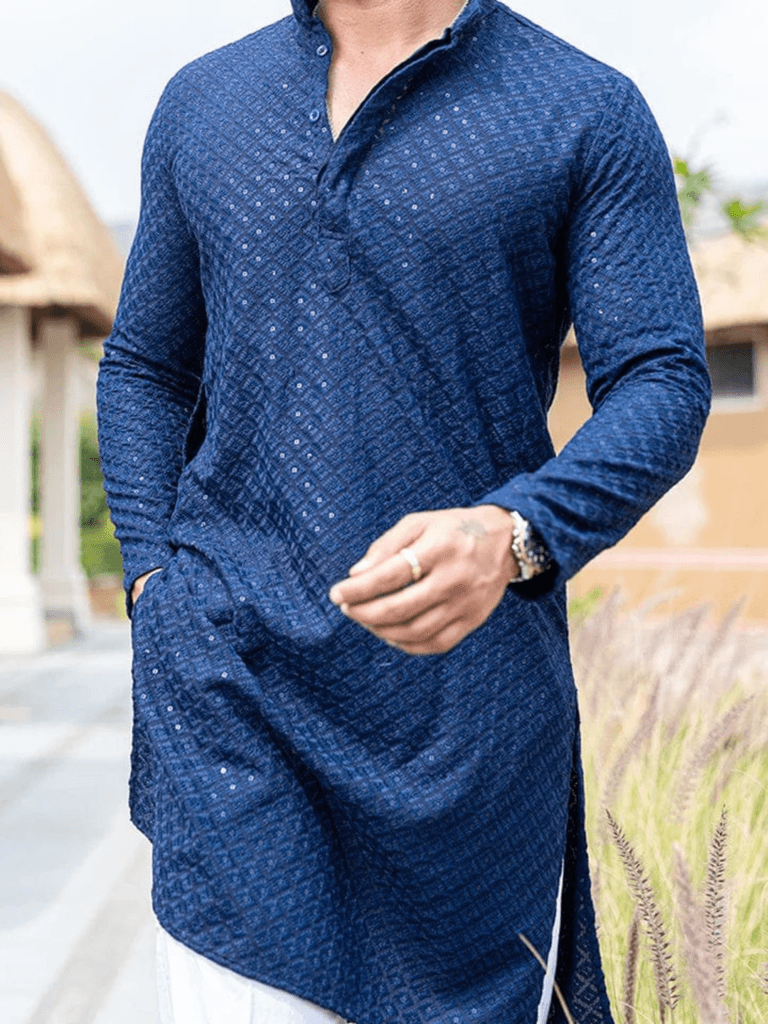
Men’s Indian wear has also undergone a quiet transformation. Traditional kurtas are now designed to suit casual and semi-formal use.
Notable changes include:
- Shorter kurtas paired with jeans or trousers
- Softer fabrics replacing stiff cottons
- Neutral colours suitable for repeated wear
The latest trends in Indian wear for men focus less on occasion dressing and more on adaptability.
Craft as a Subtle Statement
Craft-led fashion is no longer about heavy handwork. Everyday Indian wear incorporates craft in restrained, thoughtful ways.
This includes:
- Hand-stitched details used sparingly
- Natural dye techniques in muted shades
- Traditional weaves adapted into modern forms
These elements add character without making the garment feel ceremonial.
Styling Indian Wear for Daily Life
How Indian wear is styled today matters as much as the garment itself. Everyday styling leans toward ease and individuality.
Common styling choices include:
- Dupattas worn loosely or skipped altogether
- Minimal jewellery instead of statement pieces
- Comfortable footwear like flats and kolhapuris
This relaxed approach makes Indian wear more accessible and wearable on a daily basis.
Sustainability Influencing Buying Choices
Sustainability is not always labelled, but it influences decisions quietly. Buyers are increasingly drawn to pieces that last longer, age well, and feel responsible.
Trends reflecting this mindset include:
- Fewer but better-quality purchases
- Preference for timeless cuts over seasonal trends
- Support for small-scale and craft-based production
The latest trends in Indian wear align with this shift toward mindful consumption.
Digital Influence on Everyday Indian Fashion
Social media and online shopping have reshaped how Indian wear is discovered and worn. Instead of following seasonal launches, people now build wardrobes piece by piece.
Digital influence has led to:
- Greater visibility of regional styles
- Faster acceptance of experimental silhouettes
- Styling inspiration rooted in real-life usage
This has accelerated the transition of Indian wear from occasion-specific to everyday fashion.
Where Indian Wear Is Headed Next
Rather than dramatic reinvention, Indian wear is evolving through small, meaningful changes. The focus remains on relevance, comfort, and continuity.
Everyday Indian fashion is no longer about dressing up. It is about dressing well—consistently, comfortably, and confidently.
Disclaimer
This article reflects current fashion observations and industry trends at the time of writing. Style preferences and availability may vary by region, season, and personal taste.