The idea of buying a smartphone under 5000 still appeals to a wide range of users in India. For some, it is a first step into the smartphone ecosystem. For others, it is a backup device, a phone for parents, or a no-frills tool for calls, messaging, and basic internet access. What matters most at this price is not branding or specifications on paper, but how the device behaves in everyday use.
This article looks closely at what a smartphone under 5000 realistically delivers today—where it works well, where it struggles, and what kind of user experience you should expect without inflated promises or marketing gloss.
The current reality of the smartphone under 5000 segment
Phones priced under 5000 sit at the absolute entry level of the smartphone market. Manufacturers design these devices with one clear goal: make a functional Android phone at the lowest possible cost. Every component choice reflects that constraint.
What this means in practical terms is balance through limitation. A smartphone under 5000 can handle essential tasks, but it is not designed for speed, multitasking, or long-term heavy use. Expectations matter more here than specifications.
Most models in this segment are offered by brands focusing on mass-market reach rather than performance leadership. Software is simplified, hardware is modest, and build quality is functional rather than refined.
Display quality: usable, not impressive
What you usually get
A typical smartphone under 5000 comes with:
- Screen size between 5.0 and 5.45 inches
- Resolution around FWVGA+ or HD (not Full HD)
- LCD panel, not AMOLED
Text is readable, icons are clear, and basic apps display correctly. Indoors, brightness is adequate for messaging, browsing, and reading news.
Where limitations show
- Outdoor visibility under direct sunlight is weak
- Colors look flat compared to mid-range phones
- Narrow viewing angles
For watching videos occasionally or scrolling social media, the display does the job. For extended viewing or content creation, it feels constrained.
Performance and speed in everyday use
Processor and RAM expectations
Most smartphones under 5000 use:
- Entry-level MediaTek or Unisoc processors
- 1GB to 2GB RAM
- 16GB or 32GB internal storage
These specifications define the entire experience.
What works smoothly
- Phone calls and SMS
- WhatsApp messaging
- Lightweight apps like Google Maps (short sessions)
- Browsing with a single tab
Where slowdowns appear
- Switching between apps
- Opening the camera quickly
- Installing updates or new apps
- Heavy websites with multiple scripts
Patience becomes part of the experience. The phone responds, but not instantly. For first-time users or those upgrading from feature phones, this is usually acceptable.
Software experience: simplified Android
Android Go and light skins
Most devices in this category run:
- Android Go Edition, or
- A heavily optimized custom Android skin
Android Go uses lighter versions of apps such as Gmail Go, Maps Go, and Assistant Go, designed to function on limited hardware.
Practical benefits
- Lower storage usage
- Reduced background activity
- Better stability on low RAM
Practical trade-offs
- Limited customization
- Fewer advanced features
- Slower update cycles
Security updates are usually infrequent, but core Android protections remain in place for basic usage.
Camera performance: functional in good light
Typical camera setup
A smartphone under 5000 usually offers:
- Single rear camera (5MP to 8MP)
- Fixed-focus lens
- Basic LED flash
- Front camera mainly for video calls
Real-world results
In daylight:
- Photos are usable for documentation
- Text capture works reasonably well
- Colors are muted but acceptable
In low light:
- Noise increases sharply
- Focus struggles
- Details are lost
These cameras are meant for utility, not photography. They are suitable for scanning documents, sharing casual photos, or video calling family members.
Battery life: one of the strongest points
Typical battery capacity
Despite low prices, many smartphones under 5000 include:
- 2500mAh to 3000mAh batteries
Combined with low-power processors and small screens, this often results in solid endurance.
What to expect
- Full day of basic usage
- Long standby time
- Minimal overnight drain
Charging speeds are slow, usually via micro-USB, but battery reliability is generally good. For users prioritizing calls and messaging, battery performance is often better than expected.
Build quality and physical design
Materials and feel
Phones in this range use:
- Plastic backs and frames
- Simple matte or textured finishes
- Thicker bodies for durability
They are not fragile, but they do not feel premium. Buttons are functional, speakers are basic, and vibration motors are weak.
Durability considerations
- Good resistance to minor drops
- Scratches appear quickly without a case
- Ports may loosen with long-term use
For users who value reliability over aesthetics, the build is serviceable.
Connectivity and network support
Supported basics
A smartphone under 5000 typically includes:
- 4G LTE support
- Dual SIM functionality
- Wi-Fi and Bluetooth
- GPS for navigation
Missing or limited features
- No 5G
- No NFC
- Slower Wi-Fi standards
For calls, mobile data, navigation, and digital payments via QR codes, connectivity is sufficient.
Storage constraints and expansion
Internal storage limits
Most devices offer limited internal space, which fills quickly due to:
- System files
- App updates
- Media downloads
MicroSD card support
Almost all smartphones under 5000 support:
- MicroSD cards up to 64GB or 128GB
This is essential for storing photos, videos, and offline content. App storage, however, remains limited by internal memory.
Who benefits most from a smartphone under 5000
This category suits specific use cases particularly well:
- First-time smartphone users
- Senior citizens
- Students needing a basic secondary device
- Users transitioning from feature phones
- Emergency or backup phone buyers
It is less suitable for:
- Heavy app users
- Gaming enthusiasts
- Content creators
- Long-term primary phone users
Understanding this distinction prevents disappointment.
Feature phone vs smartphone under 5000
The price gap between advanced feature phones and entry-level smartphones has narrowed. What you gain with a smartphone under 5000 includes:
- App access (WhatsApp, YouTube, UPI apps)
- Touchscreen navigation
- Web browsing
- GPS-based services
What feature phones still do better:
- Battery longevity
- Physical key reliability
- Simplicity
For most users, the flexibility of a basic smartphone outweighs these trade-offs.
Long-term usability and lifespan
A smartphone under 5000 is not built for multi-year intensive use. Realistically:
- Performance declines after extended updates
- Storage becomes a bottleneck
- App compatibility reduces over time
However, with disciplined usage—limited apps, regular cleaning, and storage management—it can remain functional for basic tasks over a reasonable period.
Detailed Model Breakdown
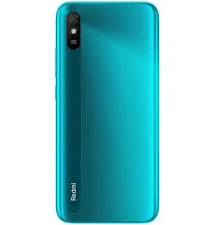
Xiaomi Redmi 9A — Best Overall Under ₹5000
Estimated Price: ₹4,999
Display: ~6.53″ HD+ LCD
Processor: Entry-level MediaTek / Unisoc (budget class)
RAM / Storage: ~2GB / 32GB (expandable)
Cameras: 13 MP rear, 5 MP front
Battery: ~5000 mAh
Why this matters: Among touchscreen phones under ₹5000, this model combines the best battery life, larger display, and camera for the segment — usable for WhatsApp, calls, light browsing, and video. Great all-round pick if your priority is everyday tasks.
Value Notes
- Hefty battery suited for long days
- Bigger screen for media and reading
- Most balanced specs in the bracket
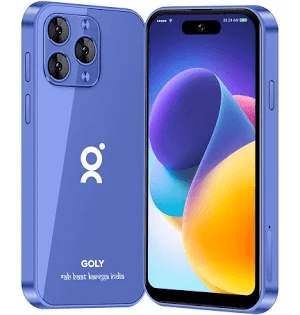
GOLY iLITE+ — Compact Android for Tight Budgets
Estimated Price: ₹3,999
Display: 4.0″ QHD-like
RAM / Storage: 3GB / 16GB
Network: 4G support
Extras: Dual cameras, USB-C charging
Why this matters: A rare sub-₹4000 touchscreen Android phone with 3GB RAM, which helps smoother app use and multitasking compared to 1–2 GB devices. Ideal for users who want a compact, lightweight phone with essentials.
Value Notes
- Best RAM in this price tier
- Smaller but sharper screen experience
- Good balance of performance and size
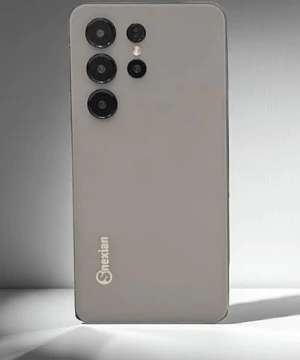
Snexian T510 — Simple Smartphone Under ₹4500
Estimated Price: ₹4,199
Display: ~5.0″
RAM / Storage: 1–2GB / modest storage
Network: 4G
Why this matters: A basic Android smartphone with a clean design and straightforward specs. Works well for calls, messaging, and basic apps. A solid pick when you want a functional phone without extras.
Value Notes
- Balanced basic performance
- Handy for first-time users
- Affordable everyday use
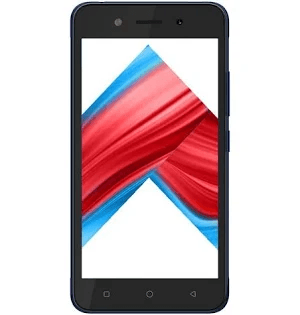
itel A23 Pro — Budget Daily Use Pick
Estimated Price: ₹4,040
RAM / Storage: 1GB / 8GB
Display: Touchscreen
Network: 4G support
Why this matters: A very affordable 4G smartphone for users focused on essentials — calling, WhatsApp, lightweight browsing. Ideal as a backup phone or for senior citizens.
Value Notes
- Entry-level smartphone experience
- Small footprint and simple UI
- Good value for basic tasks
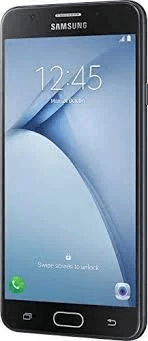
Samsung Galaxy On Nxt — Basic Brand Option Under ₹3500
Estimated Price: ₹3,199
Display: ~5″
RAM / Storage: Modest
Network: 3G/4G depending on variant
Why this matters: A very budget-conscious Samsung option in this segment. Useful for users seeking brand familiarity and basic smartphone functionality without overpaying.
Value Notes
- Trusted brand support
- Reliable build quality
- Simple everyday phone
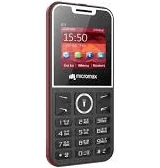
Micromax X1i Smart — Ultra-Budget Touchscreen Android
Estimated Price: ₹799
Display: Small touchscreen
RAM / Storage: Very basic
Network: 3G/4G support depending on model
Why this matters: One of the cheapest touchscreen Android options you can find. Best suited for minimal use — calls, WhatsApp, simple apps. Not recommended if you want sustained performance.
Value Notes
- Unmatched price
- Good for ultra-budget constraints
- Limited performance scope
Quick Comparison Table
| Model | Estimated Price | Screen | Battery | Camera | Best For |
|---|---|---|---|---|---|
| Redmi 9A | ₹4,999 | Large HD+ | ~5000 mAh | 13MP | Everyday use |
| GOLY iLITE+ | ₹3,999 | Compact | Medium | Dual | Smooth basic use |
| Snexian T510 | ₹4,199 | Mid-size | Medium | Basic | First-time users |
| itel A23 Pro | ₹4,040 | Touchscreen | Medium | Basic | Senior users / backup |
| Galaxy On Nxt | ₹3,199 | Touchscreen | Medium | Basic | Trusted brand entry |
| Micromax X1i | ₹799 | Small | Small | Basic | Ultra-budget needs |
Price Context Note
Smartphones under ₹5000 in India are limited in performance and features compared to higher tiers; many options focus on entry-level Android experience or basic 4G connectivity rather than high-end specs.
Disclaimer
This article is for informational purposes only and reflects general market conditions and typical device behavior. Actual performance and features may vary by model and manufacturer.