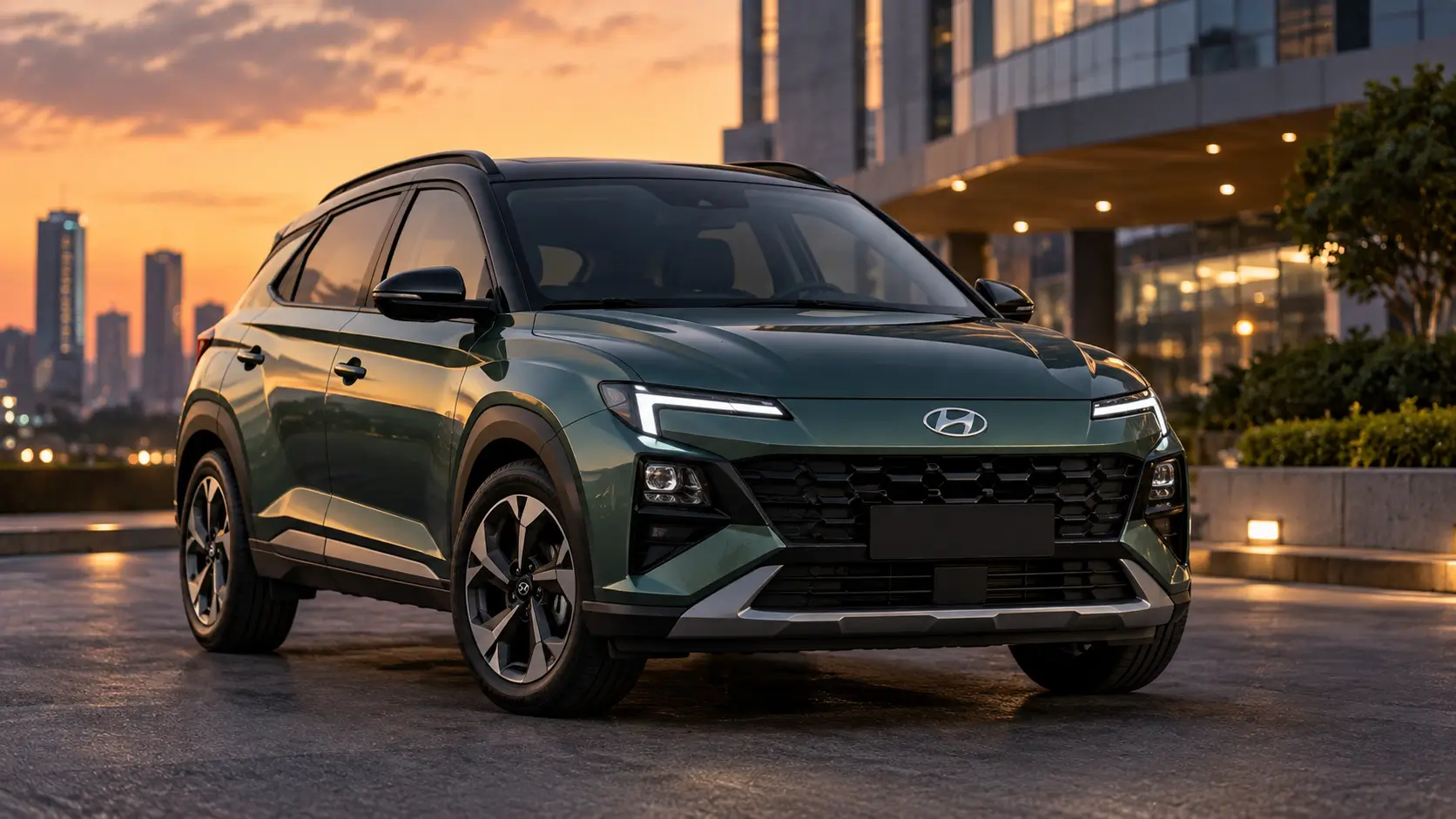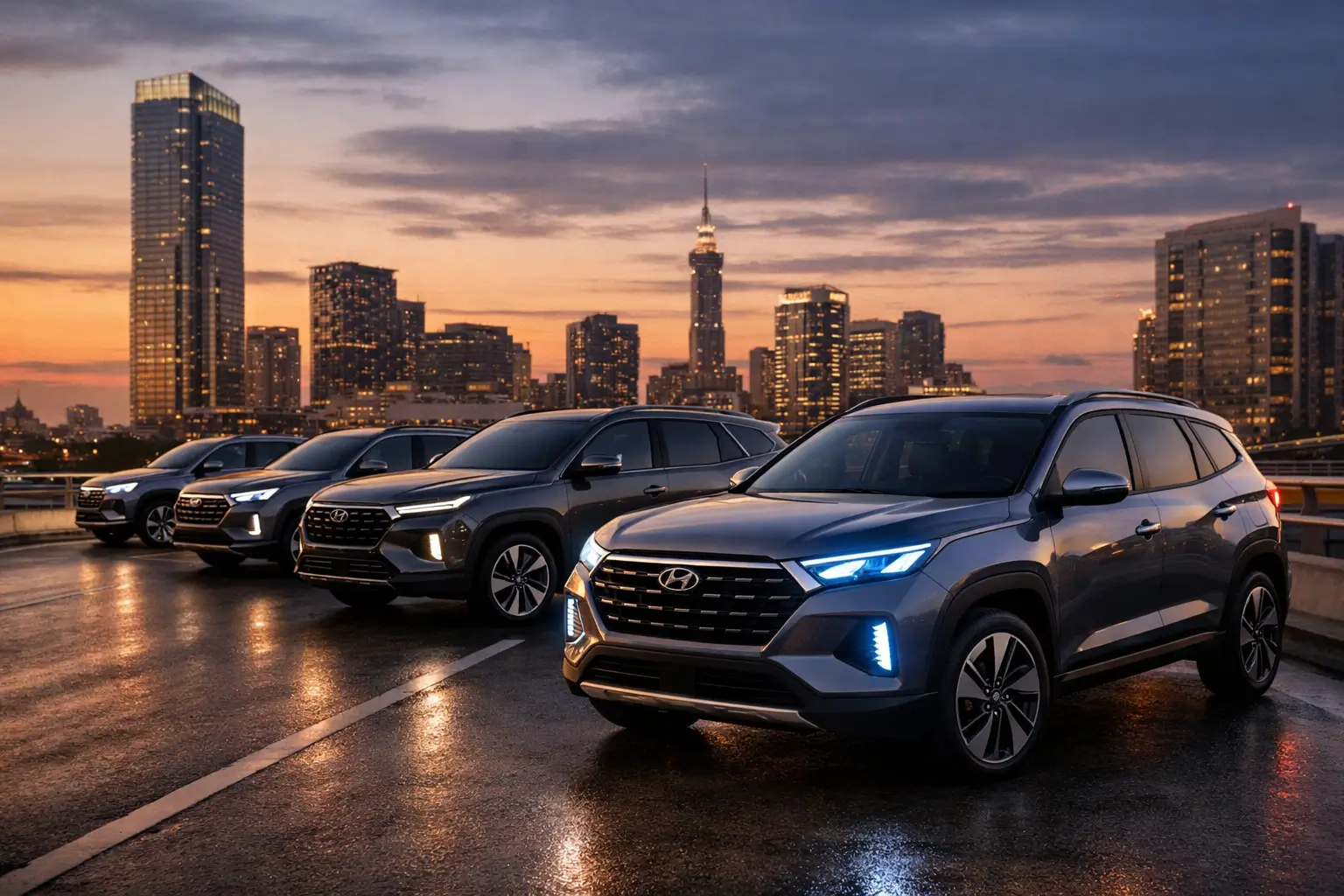
The next wave of Hyundai SUVs is shaping up to be one of the most consequential product cycles the brand has launched in years. Across global and Indian markets, Hyundai is preparing a coordinated expansion that spans compact urban crossovers, electric SUVs, and next‑generation family vehicles. The focus is not simply on adding models, but on redefining how Hyundai positions technology, safety, and electrification within its fastest‑growing segment.
For buyers tracking the hyundai upcoming suv portfolio, 2026 represents a transition year. Several existing nameplates will evolve significantly, while new entries will introduce powertrains and platforms that did not exist in Hyundai showrooms just a few years ago. The direction reflects tightening emissions rules, shifting buyer expectations, and the accelerating role of connected and electric mobility.
Why Hyundai’s 2026 SUV Strategy Matters
SUVs now account for more than half of Hyundai’s global passenger vehicle sales. In markets such as India, the United States, and Southeast Asia, growth is being driven by:
- Rapid urbanisation and demand for higher seating positions
- Expansion of compact and sub‑compact SUV segments
- Government incentives for electric and low‑emission vehicles
- Rising expectations for in‑car technology and safety systems
Hyundai’s response is a layered lineup built around three pillars:
- Platform consolidation using modular architectures
- Electrification across mild hybrid, full hybrid, and battery electric SUVs
- Segment diversification from entry‑level to premium family models
This approach allows Hyundai to scale quickly while controlling costs, a critical factor as price sensitivity remains high in emerging markets.
Compact and Sub‑Compact SUVs: Urban Volume Drivers
Next‑Generation Hyundai Exter
Hyundai’s smallest SUV has quickly become a volume anchor in India and select Asian markets. The 2026 update is expected to retain the compact footprint but introduce:
- Revised exterior design language inspired by newer global models
- Improved cabin materials and larger infotainment display
- Expanded driver‑assistance features, including lane departure warning
Powertrain options are likely to remain petrol‑centric, with possible mild‑hybrid integration as emissions norms tighten.
New Hyundai Micro‑SUV (Codename AI3)
Positioned below the Venue, this upcoming entry is being developed specifically for price‑sensitive urban buyers. Early industry reports indicate:
- Length under four metres for tax efficiency in India
- Focus on fuel efficiency and low ownership costs
- Minimalistic interior with connected‑car features
This model is strategically important for defending market share against aggressive domestic and Chinese competitors.
Hyundai Venue Facelift and Platform Upgrade
The Venue remains one of Hyundai’s strongest performers globally. The 2026 iteration is expected to go beyond cosmetic changes.
Key updates likely include:
- New digital instrument cluster and redesigned dashboard
- Advanced connected car technology integration
- Optional hybrid assistance for select markets
Safety is a priority, with Hyundai targeting improved crash ratings through structural reinforcements and additional airbags as standard.
Mid‑Size Segment: Creta, Alcazar, and New Hybrids
Third‑Generation Hyundai Creta
The Creta continues to dominate the mid‑size SUV category in India and several export markets. The next‑generation model expected around 2026 will mark a technical leap.
Anticipated highlights:
- All‑new interior architecture with panoramic curved displays
- Introduction of hybrid powertrain options for fuel efficiency
- Level‑2 driver assistance features in higher variants
Hyundai is likely to retain petrol and diesel engines while gradually shifting focus toward hybrid systems as regulatory pressure increases.
Updated Hyundai Alcazar
As family buyers migrate toward three‑row SUVs, the Alcazar plays a strategic role. The upcoming refresh will emphasise:
- Improved third‑row comfort and luggage flexibility
- Enhanced rear‑seat infotainment options
- Expanded safety suite including blind‑spot monitoring
The Alcazar’s positioning will remain comfort‑oriented rather than performance‑focused.
Electric SUVs: Hyundai’s Largest 2026 Bet
Electrification defines Hyundai’s long‑term SUV roadmap more than any other factor. By 2026, electric SUVs will no longer be niche products within the brand.
Hyundai Creta EV
The electric version of Hyundai’s bestseller is among the most anticipated launches.
Expected characteristics:
- Localised battery manufacturing to control pricing
- Range between 400–500 km under real‑world conditions
- Fast‑charging capability with sub‑40‑minute 10–80% times
The Creta EV is designed to become Hyundai’s volume electric SUV in India.
Hyundai Kona Electric Successor
Globally, the next‑generation Kona Electric will feature:
- New E‑GMP platform architecture
- Improved energy density and thermal management
- Advanced battery safety systems
This model will serve as a technology demonstrator for Hyundai’s premium compact EV segment.
New Compact Electric SUV for Emerging Markets
Hyundai is developing a sub‑4‑metre electric SUV aimed specifically at cost‑sensitive EV buyers.
Key priorities:
- Affordable entry pricing
- Moderate range with urban focus
- Simplified charging infrastructure compatibility
This model is expected to be critical for mass EV adoption in India and Southeast Asia.
Larger SUVs and Global Models
Next‑Generation Hyundai Tucson
The Tucson remains Hyundai’s flagship mid‑size global SUV. The upcoming update will focus on:
- Plug‑in hybrid expansion in Europe and North America
- Refined suspension tuning for ride comfort
- Updated infotainment ecosystem
Hyundai Palisade Hybrid
In premium markets, Hyundai plans to introduce hybrid variants of its largest SUV. The Palisade Hybrid will address growing demand for fuel efficiency in full‑size family vehicles.
Technology and Platform Evolution
Hyundai’s upcoming SUVs will increasingly rely on shared architectures and software platforms.
New Modular Platforms
- Scalable wheelbases for multiple body styles
- Compatibility with internal combustion, hybrid, and electric powertrains
- Reduced development cycles and manufacturing complexity
Software‑Defined Vehicles
Hyundai is transitioning toward vehicles where features can be added or upgraded digitally.
Expected capabilities:
- Over‑the‑air updates for infotainment and driver assistance
- Remote diagnostics and predictive maintenance
- Personalised driver profiles
Safety and Regulatory Direction
By 2026, safety compliance will be a defining differentiator in the SUV market.
Hyundai’s priorities include:
- Standard six airbags across most SUV models
- Electronic stability control as baseline
- Alignment with global crash safety standards such as NCAP protocols
Stricter emissions and fuel‑efficiency rules will also accelerate the shift toward electrified drivetrains.
Market Impact and Competitive Landscape
Hyundai’s upcoming SUV expansion positions the brand against:
- Tata Motors and Mahindra in India’s domestic EV push
- Toyota’s growing hybrid portfolio
- Chinese manufacturers entering global compact SUV segments
The balance between pricing discipline, technology adoption, and brand trust will determine Hyundai’s market share trajectory through the second half of the decade.
What Buyers Should Watch Over the Next 18 Months
Key signals to track:
- Hybrid rollout pace across mid‑size SUVs
- Local battery manufacturing announcements
- Safety feature standardisation across variants
- Charging infrastructure partnerships
Early adopters may benefit from incentives, while conservative buyers may prefer waiting for second‑generation EV platforms with improved reliability metrics.
Disclaimer
This article is intended for general informational purposes only. Vehicle specifications, timelines, and features may change based on manufacturer decisions, regulatory approvals, and market conditions.