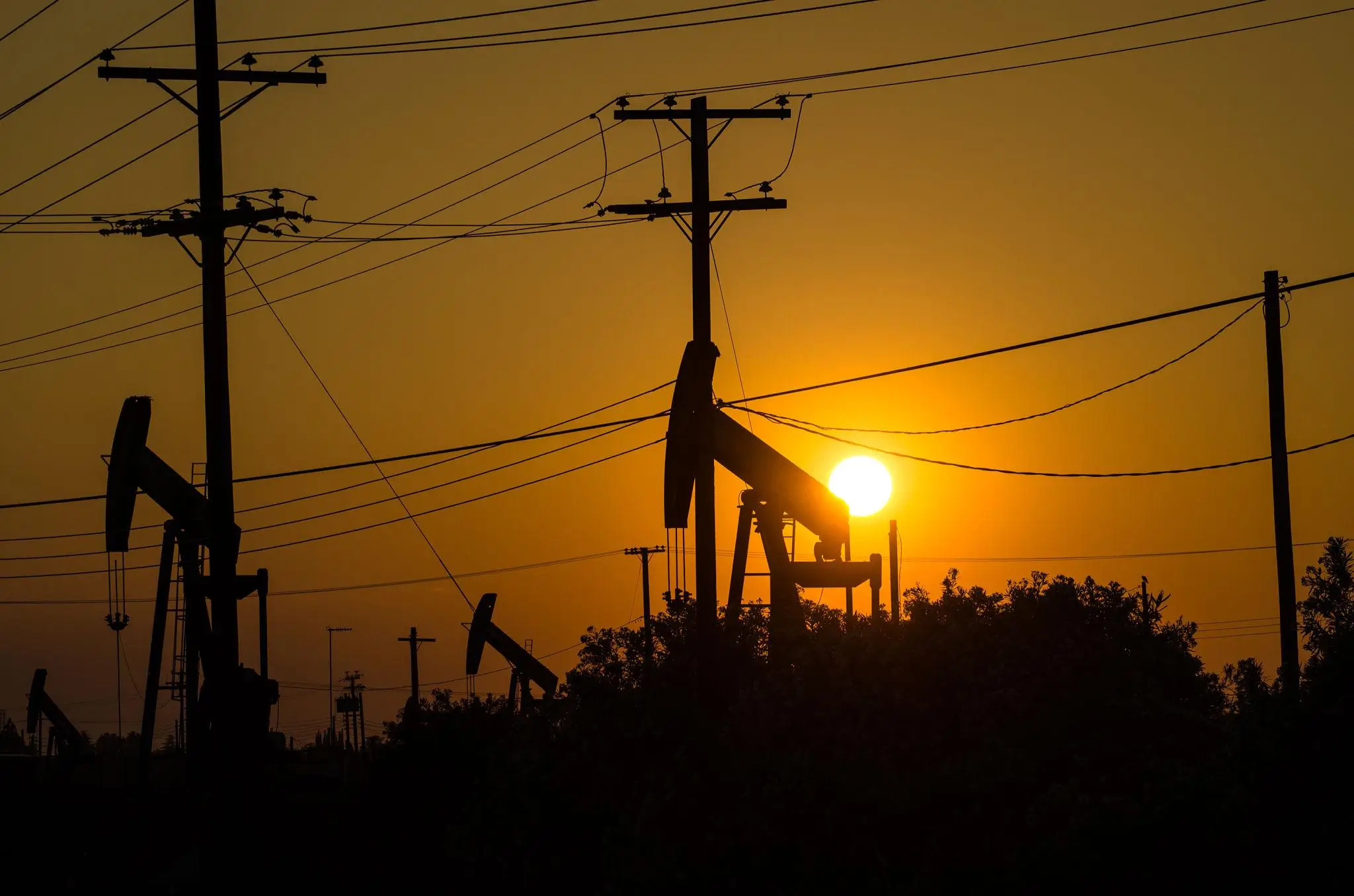
Global energy markets are extremely sensitive to geopolitical tensions, particularly conflicts in the Middle East. As tensions between Iran and Israel escalate, analysts are closely watching the potential impact on global oil supply and petrol prices.
The Middle East produces nearly one-third of the world’s crude oil, making the region critical to global energy stability. When political or military conflicts arise, investors and governments immediately assess the risk to oil production, shipping routes, and energy supply chains.
As a result, discussions around petrol price increases due to the Iran–Israel war have become a major concern for consumers, businesses, and policymakers around the world.
Why Wars Affect Petrol Prices
Energy markets react quickly to uncertainty. Wars or military tensions create supply risk, which pushes oil prices upward.
Global Oil Supply Chain
Crude oil moves through a complex supply chain that includes:
- Oil production
- Refining
- Shipping
- Distribution
Any disruption in these stages can significantly affect petrol prices.
For example, if conflict threatens oil production or transportation routes, markets often react with higher oil prices due to expected shortages.
Geopolitical Risk Premium
Economists often use the term “geopolitical risk premium.”
This means oil prices rise not only because of actual supply disruptions but also because traders anticipate future risks.
When tensions rise between major regional powers like Iran and Israel, investors often buy oil futures, driving prices upward.
Iran–Israel Conflict and Global Oil Markets
Middle East Oil Production
The Middle East remains one of the world’s largest oil-producing regions.
Countries in the region, including Saudi Arabia, Iraq, Iran, and the UAE, collectively supply millions of barrels of crude oil each day.
Any instability in this region raises concerns about global fuel supply shortages.
Importance of the Strait of Hormuz
One of the most critical factors in global oil supply is the Strait of Hormuz, a narrow shipping channel between Iran and Oman.
Approximately 20% of the world’s oil supply passes through this route.
If military tensions threaten shipping in this area, oil markets could experience dramatic price increases.
Expert Insights: Oil Market Reaction
Energy analysts closely monitor geopolitical conflicts to predict market trends.
Experts say that even the possibility of supply disruption can trigger price volatility.
Market reactions typically include:
- Rising crude oil futures
- Increased energy market speculation
- Higher transportation costs
- Increased inflation pressure
Statistics and Market Data
Historical data shows that conflicts in the Middle East often lead to oil price spikes.
Examples include:
- 1990 Gulf War – Oil prices doubled within months
- 2003 Iraq War – Oil prices rose significantly
- 2019 Strait of Hormuz tensions – Oil prices surged temporarily
These examples demonstrate how geopolitical conflicts can influence global energy markets.
How Petrol Prices Affect Consumers
Rising petrol prices have widespread economic effects.
Inflation Impact
Higher fuel costs increase the price of goods and services across the economy.
Transportation Costs
Shipping companies and airlines face higher fuel expenses, which may lead to increased transportation fees.
Food Prices
Agriculture and food supply chains depend heavily on transportation. Rising fuel costs can indirectly increase food prices.
Case Study: Oil Prices During Past Middle East Conflicts
Past conflicts offer valuable insight into how oil markets react.
During the Gulf War, fears of supply disruptions caused crude oil prices to surge dramatically.
Similarly, tensions involving Iran have historically influenced global oil markets due to the country’s strategic location and energy resources.
What Could Happen Next
Short-Term Oil Price Volatility
In the short term, markets may experience rapid price fluctuations as investors respond to news developments.
Long-Term Energy Market Outlook
Longer-term impacts depend on several factors:
- Duration of the conflict
- Impact on oil production
- Diplomatic negotiations
- OPEC production decisions
Tips for Consumers During Fuel Price Surges
Consumers can reduce the impact of rising fuel prices by:
- Using public transportation
- Carpooling
- Maintaining fuel-efficient driving habits
- Planning travel efficiently
While individuals cannot control global energy markets, small lifestyle changes can help manage fuel costs.
Conclusion
The possibility of petrol price increases due to the Iran–Israel war highlights the fragile connection between geopolitics and global energy markets.
Conflicts in key oil-producing regions often trigger volatility in crude oil prices, which eventually affects fuel costs for consumers worldwide.
While the long-term impact remains uncertain, the situation underscores the importance of energy security and diversified energy sources in the global economy.
FAQ
Why do petrol prices rise during wars?
Wars create uncertainty in oil supply, leading to higher crude oil prices.
How does the Iran Israel conflict affect oil markets?
The conflict raises concerns about disruptions in Middle East oil production and shipping routes.
Will petrol prices rise globally due to the war?
Prices may increase if supply disruptions or market speculation intensify.
Why is the Middle East important for oil supply?
The region produces a large share of the world’s crude oil.
What is the Strait of Hormuz?
A major shipping route where about 20% of global oil passes.
How do oil futures markets react to conflicts?
Traders buy oil contracts expecting price increases.
How long do oil price spikes last?
Duration depends on the conflict and supply stability.
Will petrol prices rise in India?
If global crude oil prices rise, domestic fuel prices may increase.
Disclaimer
This article provides informational analysis of global energy markets and geopolitical developments. It should not be considered financial or investment advice.
Energy economists recommend monitoring global crude oil benchmarks like Brent and WTI to understand future petrol price trends.
This article is based on research from global energy agencies, economic reports, and geopolitical analysis.