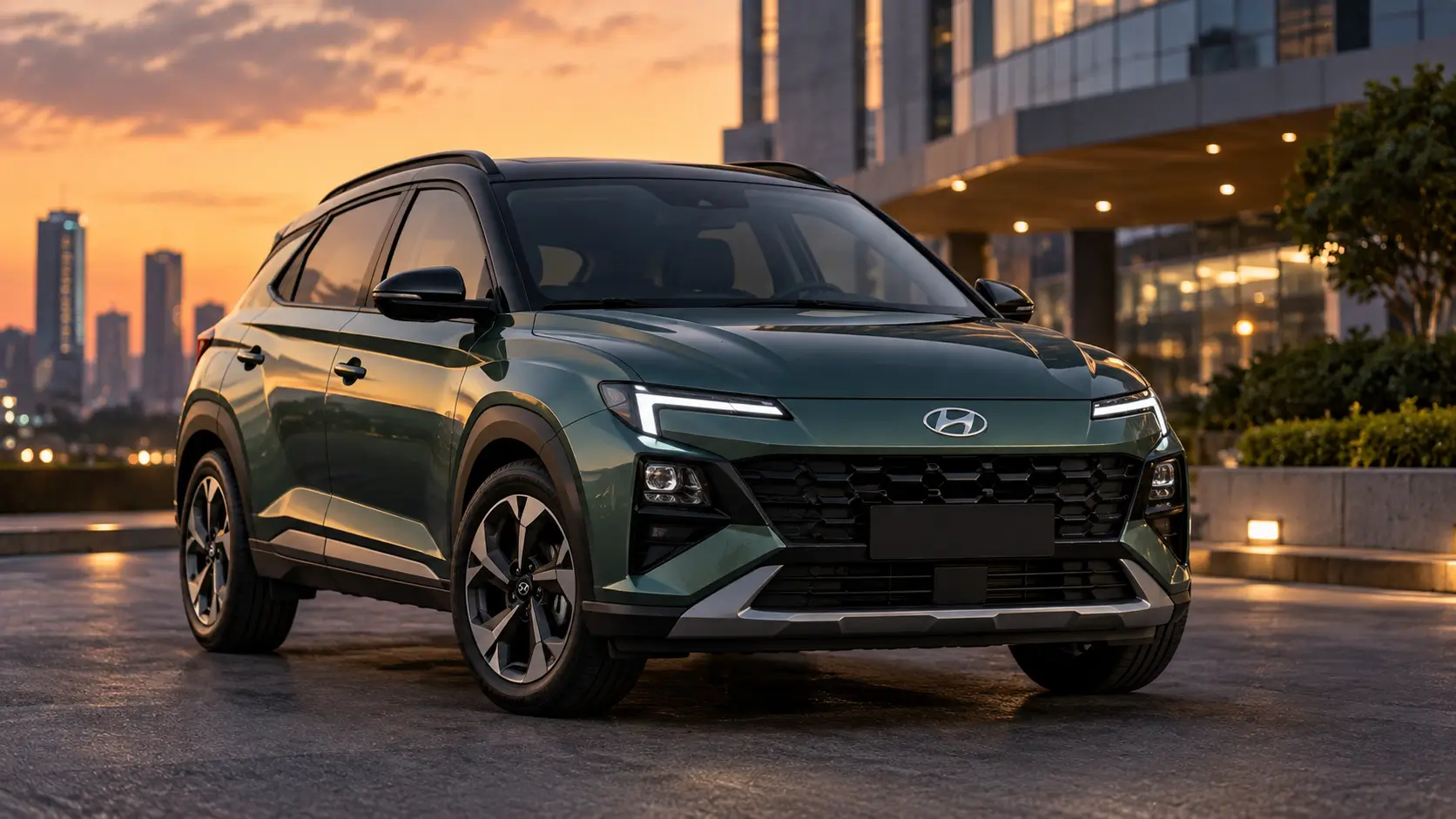
Kia Seltos and the Shift in Modern Driving Expectations
Urban traffic density, rising fuel awareness, safety regulations, and digital-first lifestyles have reshaped what drivers expect from a compact SUV. The kia seltos sits squarely at this intersection, designed for buyers who want presence without excess, technology without complexity, and performance that adapts to both city streets and highways.
In real-world usage, the Seltos reflects how driving has evolved. Daily commutes are shorter but more congested. Weekend drives demand comfort and flexibility. Ownership decisions increasingly factor in resale value, reliability, and long-term running costs rather than just initial appeal. This is where the Seltos positions itself with intent.
Design Language That Reflects Contemporary Tastes
Exterior Styling with Urban Relevance
Modern car buyers are visually informed. They compare proportions, lighting signatures, and stance before they ever consider engine specifications. The Seltos addresses this with:
- A bold front fascia that remains recognizable without appearing aggressive
- LED lighting elements that enhance visibility while improving aesthetic balance
- Compact dimensions that simplify parking and city maneuverability
The result is a vehicle that looks current without chasing fleeting design trends. It fits comfortably in both residential neighborhoods and business districts, an important factor for professionals and families alike.
Interior Layout Focused on Daily Use
Inside the cabin, the emphasis shifts from show to function. Controls are intuitively placed, screens are easy to read, and seating comfort supports extended driving without fatigue.
Key interior observations include:
- A driver-oriented dashboard layout
- Adequate rear-seat legroom for adult passengers
- Boot space that supports routine grocery runs as well as short trips
These decisions indicate a focus on usability rather than novelty.
Technology Integration Without Overcomplication
Infotainment That Matches Digital Habits
Modern drivers expect their vehicles to mirror smartphone experiences. The Seltos delivers this through:
- Responsive touchscreen systems
- Seamless smartphone connectivity
- Clear navigation interfaces suited for real-time traffic conditions
Importantly, these features are designed to reduce distraction rather than increase it. Menus are simplified, and commonly used functions are easily accessible.
Safety Technology as a Standard Expectation
Safety is no longer optional or premium-only. The Seltos aligns with this shift by offering systems that assist rather than overwhelm:
- Multiple airbags for occupant protection
- Stability and traction controls for unpredictable road conditions
- Driver-assist features that support alertness and confidence
For first-time buyers and experienced drivers alike, these features contribute to trust in daily driving.
Performance Tuned for Mixed Driving Conditions
Engine Options Aligned with Practical Needs
Rather than focusing solely on peak output figures, the Seltos emphasizes drivability. Acceleration is smooth, gear shifts are predictable, and power delivery suits both traffic-heavy commutes and open-road cruising.
Drivers typically notice:
- Comfortable low-speed control in urban areas
- Stable highway behavior at cruising speeds
- Balanced fuel efficiency under mixed usage
This makes the vehicle approachable for beginners while remaining satisfying for experienced drivers.
Ride Quality and Handling Balance
Suspension tuning favors comfort without sacrificing control. Road imperfections are absorbed effectively, and steering feedback is tuned for ease rather than aggression.
This balance is particularly relevant for Indian road conditions, where surface quality can vary significantly within short distances.
Kia Seltos Price and Value Perception
Pricing Strategy in a Competitive Segment
The kia seltos price plays a critical role in its popularity. Positioned across multiple variants, it allows buyers to select features based on actual needs rather than forcing unnecessary upgrades.
From a value standpoint:
- Entry variants cover essential safety and comfort
- Mid variants offer the best balance of features and cost
- Higher trims cater to technology-focused buyers
This tiered approach aligns with modern purchasing behavior, where customization and choice matter.
Ownership Costs and Long-Term Considerations
Beyond the showroom price, modern buyers evaluate:
- Fuel efficiency over long-term use
- Service network accessibility
- Expected resale value
The Seltos benefits from predictable maintenance costs and strong brand recall, factors that influence ownership confidence.
How the Seltos Fits Different Driver Profiles
Urban Professionals
For professionals navigating daily commutes, the Seltos offers:
- Comfortable seating for extended drives
- Connectivity features that support navigation and calls
- A size that balances road presence with practicality
Families and Multi-Use Owners
Families benefit from:
- Flexible seating arrangements
- Adequate storage for routine needs
- Safety systems that enhance peace of mind
First-Time SUV Buyers
For those transitioning from hatchbacks or sedans, the Seltos provides:
- Elevated driving position without intimidation
- Manageable dimensions
- Straightforward driving dynamics
Market Positioning and Brand Trust
The success of the Seltos cannot be separated from the broader perception of Kia as a brand. Consistent product updates, attention to customer feedback, and a clear design philosophy have strengthened buyer trust.
In a segment crowded with alternatives, this trust becomes a deciding factor rather than just a supporting one.
Limitations Worth Understanding
No vehicle is without compromise. The Seltos reflects conscious trade-offs:
- Focus on comfort over sporty handling
- Feature distribution that encourages careful variant selection
- Styling that prioritizes broad appeal over niche preferences
Understanding these aspects helps buyers make informed decisions aligned with their actual needs.
Broader Implications for the Compact SUV Segment
The Seltos illustrates a broader industry trend: vehicles are no longer designed for extremes. Instead, they are built for balance. Comfort, technology, safety, and cost must coexist without one overshadowing the others.
This approach reflects how driving itself has changed. Cars are now extensions of daily life rather than symbols of performance alone.