
Marketing has never been just about selling. In today’s environment—shaped by digital platforms, informed consumers, and constant competition—marketing functions as a structured system that connects market understanding, value creation, communication, and long-term growth. Organizations that treat marketing as a set of isolated tactics struggle to scale. Those that understand its core features build relevance, resilience, and sustained demand.
This article examines the essential features of marketing as they operate in real business conditions today. Each feature reflects how marketing works in practice—across industries, company sizes, and channels—rather than how it appears in theory or promotional material.
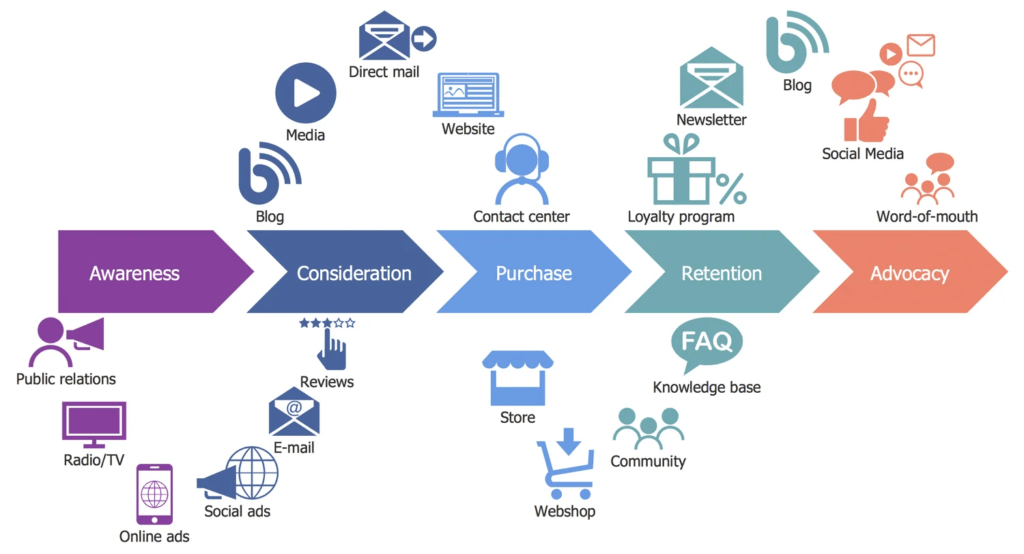
Marketing is inherently customer-centric
At its foundation, marketing begins with people, not products. Customer-centricity is not a slogan; it is an operating principle that shapes every strategic and tactical decision.
Modern marketing focuses on understanding:
- Customer needs, motivations, and constraints
- Behavioral patterns across touchpoints
- Decision-making triggers and objections
- Post-purchase expectations and satisfaction drivers
This feature separates marketing from sales-oriented messaging. Rather than asking, “How do we sell this?” effective marketing asks, “What problem does this solve, and for whom?”
Customer-centric marketing relies on:
- Market research and audience segmentation
- Continuous feedback loops
- Data-informed personas rather than assumptions
- Empathy applied through design, communication, and service
Without this feature, marketing becomes disconnected from reality, leading to misaligned products, weak messaging, and short-lived results.
Marketing is value-driven, not promotion-driven
One of the most misunderstood features of marketing is its relationship with promotion. Promotion is only one component. Value creation is the core.
Marketing defines, shapes, and communicates value by aligning:
- Product or service benefits
- Pricing logic and perceived worth
- Brand positioning and credibility
- Customer experience across the lifecycle
Value-driven marketing answers why a customer should care, not just why a product exists.
This feature shows up in:
- Differentiation strategies
- Clear positioning statements
- Benefit-focused communication
- Long-term brand equity development
Organizations that focus solely on promotional output often experience diminishing returns. Those that prioritize value create demand that is more stable and defensible.
Marketing is a continuous process, not a one-time activity
Marketing does not start at launch and end at conversion. It functions as an ongoing cycle that evolves with markets, competition, and consumer behavior.
This process typically includes:
- Market analysis and opportunity identification
- Strategy development and positioning
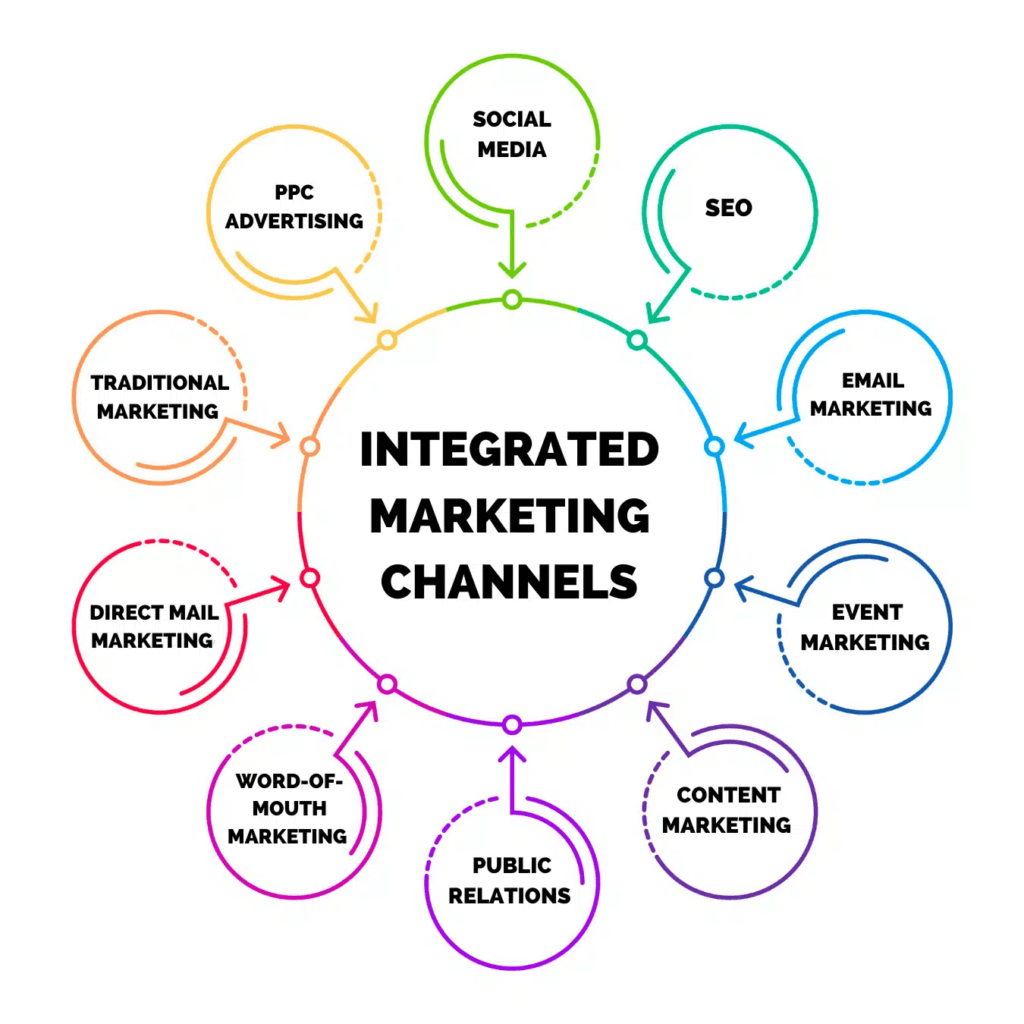
- Execution across channels and touchpoints
- Measurement, learning, and optimization
- Adaptation based on insights and outcomes
Each stage informs the next. Feedback from customers, campaigns, and performance data continuously reshapes decisions.
This feature is especially visible in:
- Digital marketing optimization
- Brand reputation management
- Product-market fit refinement
- Retention and loyalty programs
When marketing is treated as a static task, it loses relevance. When treated as a process, it becomes a growth engine.
Marketing integrates strategy and execution
Another defining feature of marketing is its dual nature. It operates at both strategic and operational levels.
At the strategic level, marketing:
- Defines target markets
- Establishes positioning and brand direction
- Aligns offerings with business objectives
- Informs product and pricing decisions
At the execution level, marketing:
- Develops campaigns and content
- Manages channels and platforms
- Engages audiences consistently
- Converts strategy into visible action
Effective marketing connects these two layers. Strategy without execution remains theoretical. Execution without strategy becomes noise.
This integration ensures that daily marketing activities contribute to long-term goals rather than short-term visibility alone.
Marketing relies on coordinated elements, not isolated tools
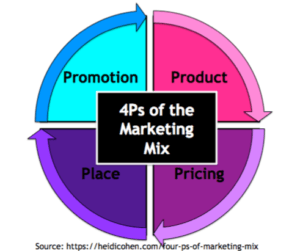
Marketing works through a structured combination of elements that must align with each other. Traditionally described as the marketing mix, these components remain relevant but have evolved in application.
Key elements include:
- Product or service design
- Pricing strategy and perceived value
- Distribution or access channels
- Communication and engagement methods
In modern contexts, this also extends to:
- Experience design
- Digital presence and usability
- Trust signals and credibility
- Post-sale support and relationship building
The defining feature is coordination. When these elements work in isolation, customers experience inconsistency. When aligned, they reinforce each other and strengthen market impact.
Marketing is research-informed and data-aware
Marketing decisions today are rarely made on instinct alone. One of its core features is the systematic use of data to reduce uncertainty and improve relevance.
This includes:
- Market research and trend analysis
- Audience analytics and segmentation data
- Performance metrics across channels
- Behavioral insights from digital platforms
Data does not replace judgment, but it sharpens it. Experienced marketers combine quantitative data with qualitative insight to understand not just what is happening, but why.
This feature supports:
- Smarter resource allocation
- More accurate targeting
- Faster identification of what works
- Early detection of shifting customer needs
Marketing that ignores data risks becoming disconnected from market reality.
Marketing is adaptive to change
Markets evolve continuously. Consumer expectations shift. Platforms rise and decline. Regulations, technology, and competition reshape the landscape.
A defining feature of marketing is adaptability.
This adaptability is reflected in:
- Agile campaign planning
- Willingness to test and iterate
- Channel diversification
- Messaging adjustments based on feedback
Rigid marketing strategies struggle in dynamic environments. Adaptive marketing remains relevant by responding to change without losing strategic direction.
This feature explains why marketing capabilities must be continuously updated rather than fixed in time.
Marketing builds relationships, not just transactions
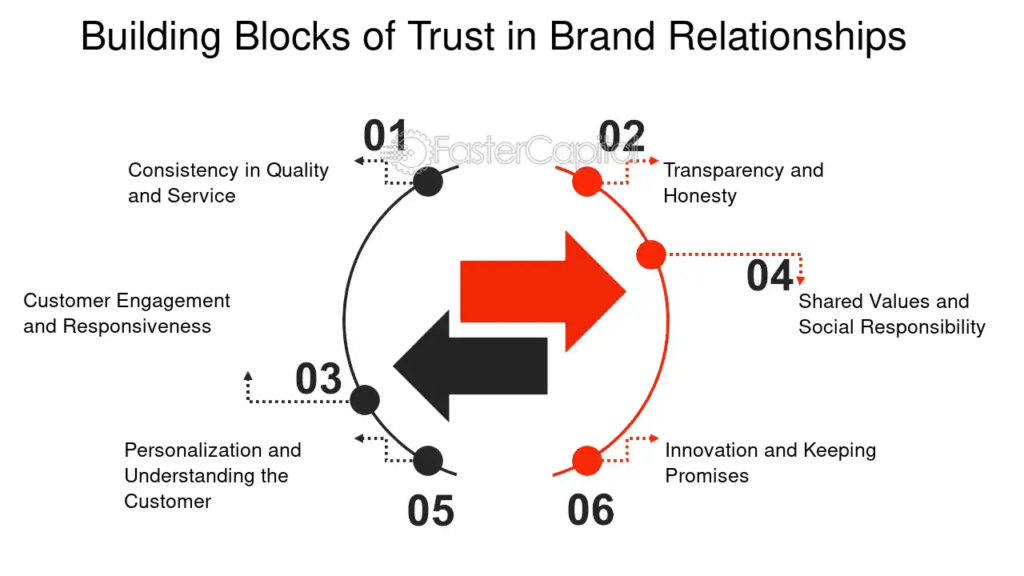
Short-term conversions matter, but long-term growth depends on relationships. One of the most important features of marketing is its role in relationship building.
This includes:
- Brand trust and credibility
- Consistent communication over time
- Customer engagement beyond purchase
- Loyalty and advocacy development
Relationship-focused marketing recognizes that customers interact with brands across multiple stages, not just at the point of sale.
This approach supports:
- Higher lifetime value
- Repeat business and referrals
- Stronger brand resilience
- Reduced reliance on constant acquisition
Marketing that prioritizes relationships creates stability in uncertain markets.
Marketing is cross-functional by nature
Marketing does not operate in isolation from the rest of the organization. A core feature of effective marketing is its integration with other functions.
This includes collaboration with:
- Product development
- Sales and customer service
- Operations and supply chain
- Leadership and strategic planning
Insights generated through marketing often influence decisions far beyond campaigns, shaping offerings, pricing, and customer experience.
When marketing is siloed, its impact is limited. When integrated, it becomes a central contributor to business direction and performance.

Marketing balances creativity and discipline
Marketing requires imagination, but it also demands structure. One of its defining features is the balance between creative expression and analytical discipline.
Creativity supports:
- Differentiation in crowded markets
- Emotional connection with audiences
- Memorable messaging and storytelling
Discipline ensures:
- Strategic alignment
- Consistent brand voice
- Measurable outcomes
- Efficient use of resources
Sustainable marketing growth comes from managing both dimensions without allowing one to overpower the other.
Marketing operates within ethical and social expectations
Modern marketing functions under increasing scrutiny. Transparency, responsibility, and respect for consumer rights are no longer optional.
This feature includes:
- Honest communication
- Responsible data usage
- Inclusive representation
- Compliance with regulations and standards
Ethical marketing protects brand reputation and strengthens trust, especially in an environment where information spreads rapidly and public accountability is high.
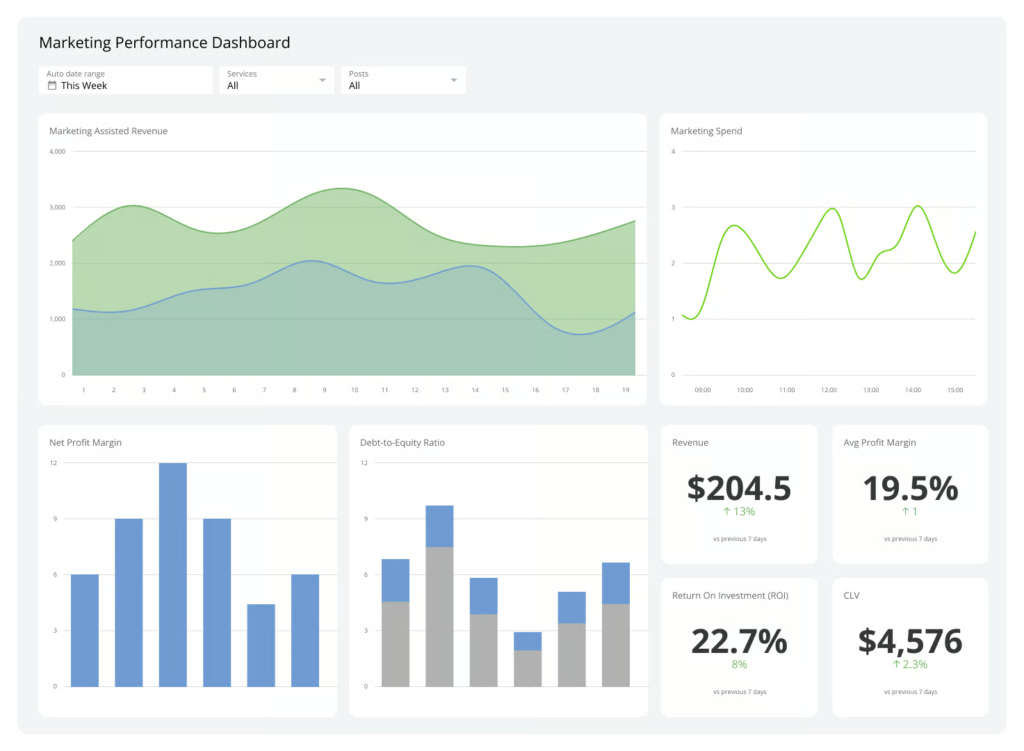
Marketing measures impact, not just activity
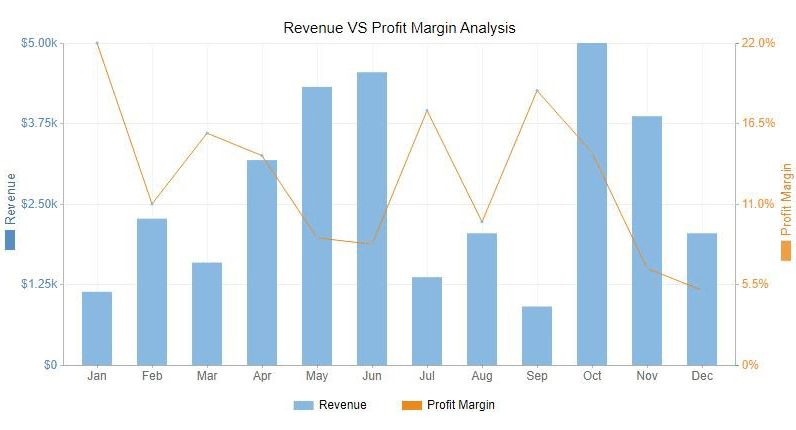
A final core feature of marketing is its focus on outcomes. Activity alone does not indicate effectiveness.
Impact-oriented marketing tracks:
- Business growth indicators
- Customer acquisition and retention metrics
- Brand perception and awareness shifts
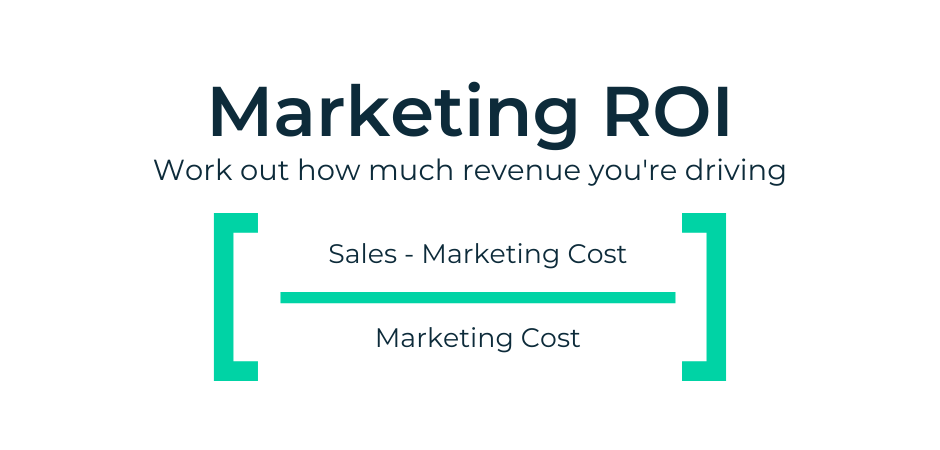
- Return on investment and efficiency
Measurement enables learning, accountability, and continuous improvement. It also reinforces marketing’s role as a business function rather than a support activity.
Why these features matter in practice
The features of marketing described above do not operate independently. They function as a system. Customer focus informs value creation. Data supports adaptation. Strategy guides execution. Relationships sustain growth.
Organizations that understand marketing in this holistic way are better positioned to:
- Respond to competitive pressure
- Build durable brands
- Scale responsibly
- Navigate uncertainty with confidence
Marketing, when practiced through its core features, becomes less about visibility and more about relevance, trust, and long-term performance.
Disclaimer
This article is intended for informational and educational purposes only. It reflects general marketing principles and current practices, not specific business or financial advice.