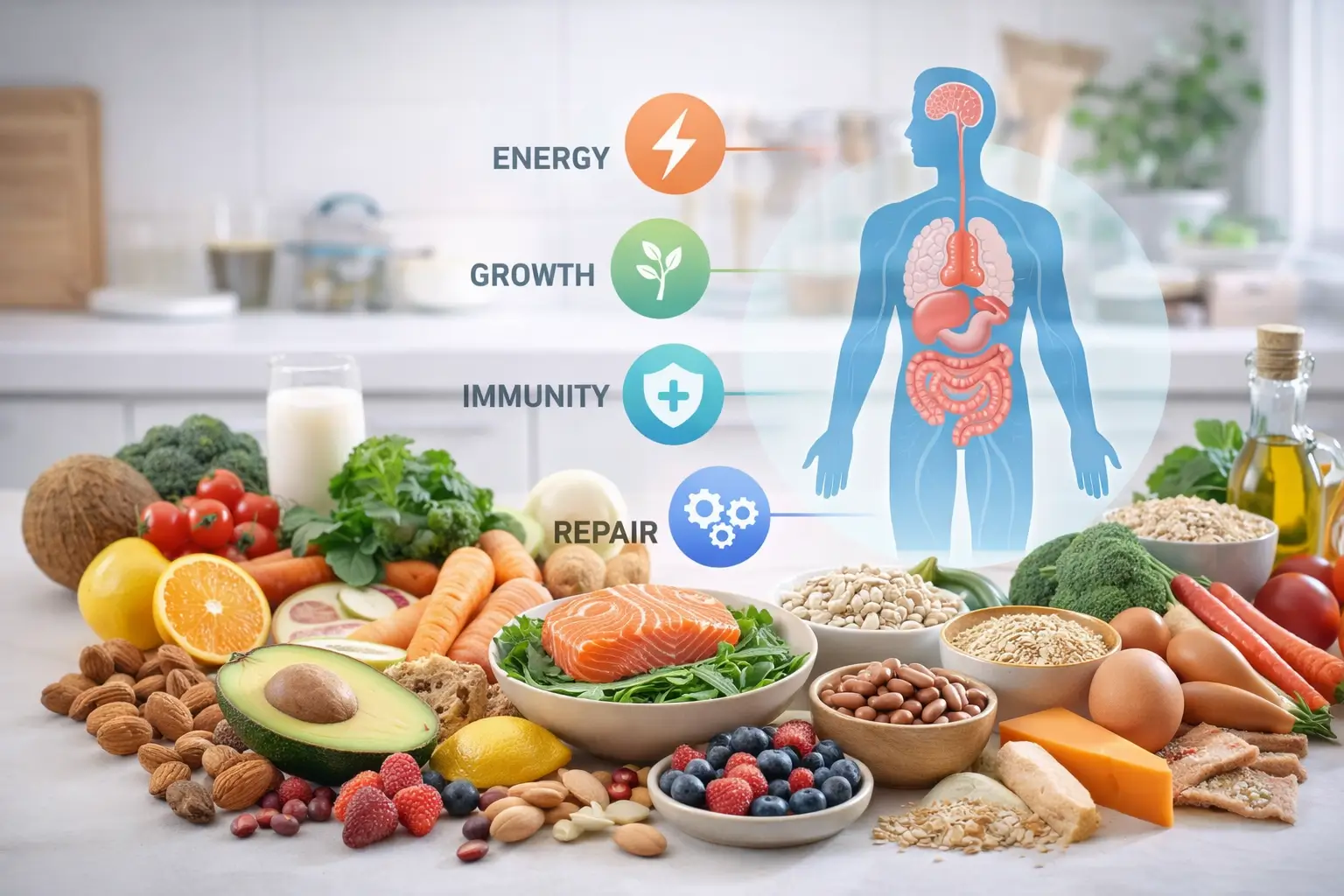
Food is not merely a source of pleasure or routine sustenance. Every bite plays a measurable role in how the body grows, repairs itself, produces energy, and maintains internal balance. Understanding the functions of food provides clarity on why dietary choices influence physical strength, mental focus, immunity, and long-term health outcomes.
In daily life, food supports survival quietly and continuously. Its functions extend far beyond satisfying hunger, shaping everything from cellular repair to disease resistance. When these functions are fulfilled consistently, the body operates efficiently; when neglected, imbalance and illness often follow.
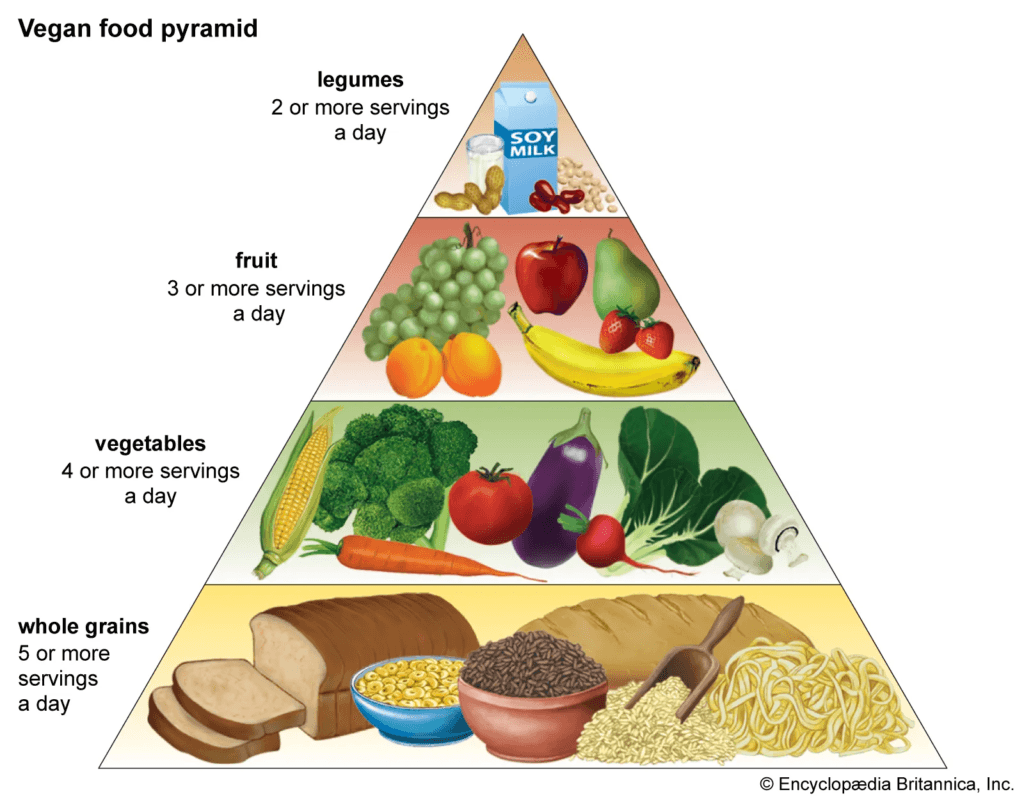
Food as the body’s primary source of energy
One of the most fundamental functions of food is energy production. Every movement, thought, and physiological process depends on energy derived from nutrients.
Carbohydrates, fats, and proteins contribute energy in different ways:
- Carbohydrates act as the body’s quickest energy source
- Fats provide concentrated, long-lasting fuel
- Proteins contribute energy when required, though their primary role lies elsewhere
This energy supports:
- Muscle activity and physical endurance
- Brain function and concentration
- Heartbeat, breathing, and digestion
Without adequate energy intake, the body conserves resources, leading to fatigue, reduced immunity, and impaired performance.
Energy-giving foods are especially important for individuals with active lifestyles, growing children, and those recovering from illness.
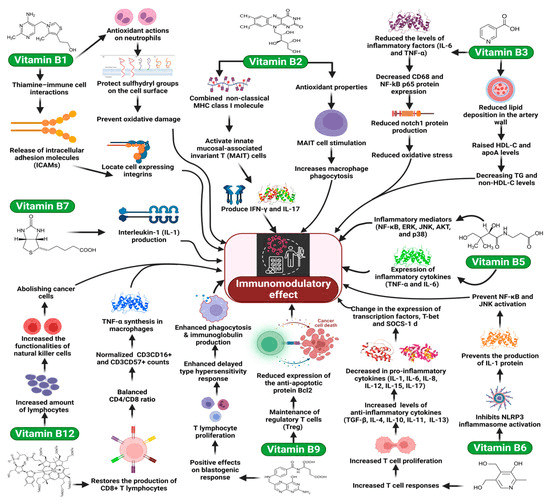
Food supports growth and body development
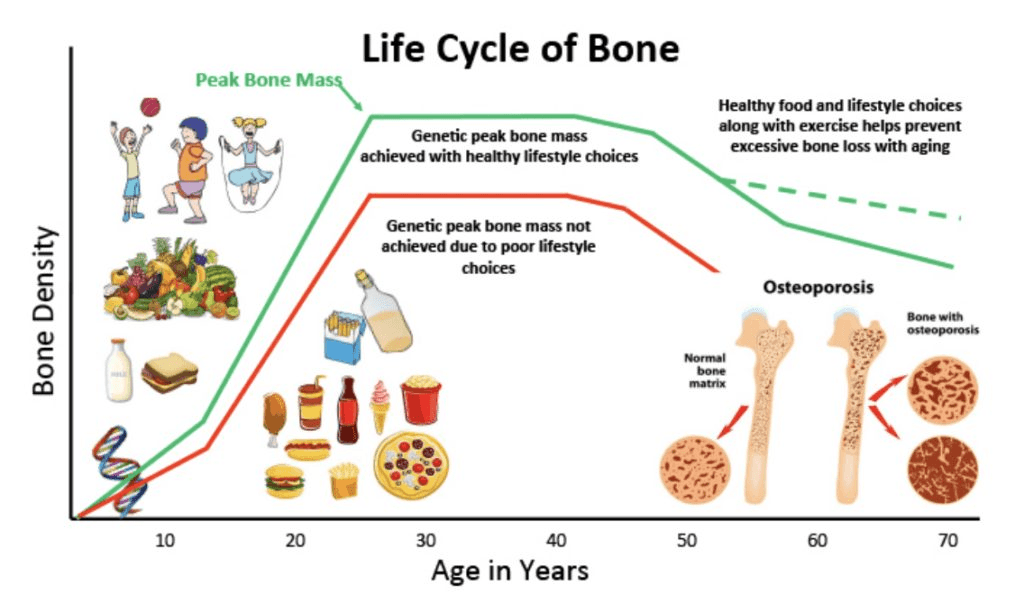
Growth is not limited to childhood. From infancy through adulthood, the body constantly builds and renews tissues. One of the most critical functions of food is supplying materials for this process.
Proteins, minerals, and certain fats contribute directly to:
- Muscle development
- Bone strength
- Organ formation and maintenance
- Hormone production
During periods of rapid growth—such as childhood, adolescence, pregnancy, and recovery from injury—nutritional demands increase significantly.
Body-building nutrients ensure that growth occurs in a structured and healthy manner, preventing weakness, delayed development, or long-term deficiencies.
Food repairs and maintains body tissues
Wear and tear is a natural part of living. Muscles strain, cells age, and tissues break down daily. Repair and maintenance form another essential function of food.
Nutrients involved in repair include:
- Proteins for tissue rebuilding
- Vitamins such as A, C, and E for cellular protection
- Minerals like zinc and iron for healing processes
This function becomes particularly visible after:
- Physical exertion
- Illness or surgery
- Injury or infection
When the diet lacks these components, recovery slows, wounds heal poorly, and vulnerability to illness increases.
The repair function of food ensures continuity—allowing the body to restore itself repeatedly without visible disruption.
Food regulates body processes and metabolism
Beyond energy and structure, food plays a regulatory role. This function governs how efficiently the body operates at a biochemical level.
Vitamins, minerals, water, and fiber help regulate:
- Digestion and absorption
- Body temperature
- Nerve transmission
- Hormonal balance
- Waste elimination
These protective and regulatory functions of food often go unnoticed until disrupted. For example, dehydration affects concentration, while mineral imbalances can disturb heart rhythm or muscle control.
Balanced intake ensures internal systems remain synchronized, supporting stability and resilience.
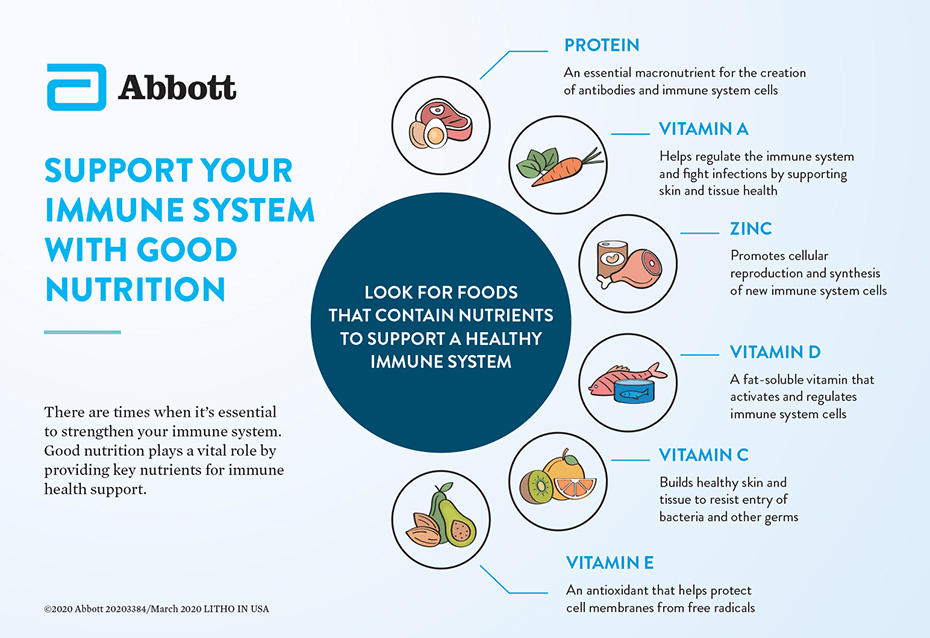
Food strengthens immunity and disease resistance
A well-functioning immune system depends heavily on nutrition. One of the most practical functions of food is supporting the body’s defense mechanisms.
Key nutrients involved include:
- Vitamin C for immune cell activity
- Vitamin D for immune regulation
- Zinc for wound healing and resistance
- Antioxidants that reduce cellular damage
Regular intake of nutrient-rich foods:
- Reduces susceptibility to infections
- Supports faster recovery
- Helps manage inflammation
This protective function of food has gained renewed attention in recent years as lifestyle-related illnesses and infections continue to challenge public health.
Food maintains mental health and cognitive function
Nutrition influences the brain as much as the body. Cognitive clarity, emotional stability, and mental endurance are closely tied to dietary quality.
Essential fats, especially omega-3 fatty acids, support:
- Memory and learning
- Emotional regulation
- Nervous system health
Micronutrients such as iron, iodine, and B vitamins play key roles in:
- Neurotransmitter production
- Oxygen delivery to the brain
- Stress management
Poor nutrition often manifests as irritability, poor focus, and mental fatigue, underscoring the psychological functions of food.
Food maintains healthy body weight and composition
Weight regulation is not merely about calorie counting. The quality, balance, and timing of food intake shape body composition over time.
Fiber-rich foods:
- Improve digestion
- Promote fullness
- Reduce overeating
Protein supports muscle mass, while healthy fats regulate appetite hormones. Together, these elements help maintain a stable, healthy weight.
The functions of food in weight management depend on balance rather than restriction, emphasizing nourishment over deprivation.
Food supports reproductive and hormonal health
Hormonal balance relies on consistent nutrient availability. Food plays a direct role in:
- Hormone synthesis
- Menstrual health
- Fertility and pregnancy outcomes
- Thyroid and adrenal function
Micronutrients such as iodine, selenium, folate, and healthy fats are particularly important here.
Disruptions in dietary intake often reflect first in hormonal irregularities, making nutrition a foundational component of reproductive well-being.
Social and cultural functions of food
While often overlooked in scientific discussions, food also serves important social and cultural roles that influence overall health.
Shared meals contribute to:
- Emotional well-being
- Social bonding
- Cultural continuity
Positive relationships with food reduce stress and support healthier eating patterns. This indirect function influences mental and emotional health in measurable ways.
Limitations of food alone in maintaining health
While the functions of food are extensive, nutrition alone does not guarantee health. Physical activity, sleep, environment, and genetics also play decisive roles.
Food provides the foundation, but outcomes depend on:
- Lifestyle balance
- Consistency over time
- Individual needs and conditions
Recognizing these limitations encourages realistic expectations and holistic health practices.
Why understanding the functions of food matters today
Modern lifestyles often separate eating from nourishment. Processed foods, irregular meals, and nutrient-poor diets disrupt essential functions without immediate warning signs.
Understanding how food works within the body supports:
- Better daily choices
- Long-term disease prevention
- Improved quality of life
The functions of food remain constant, even as dietary trends evolve. Health depends on respecting these biological realities rather than replacing them with shortcuts.
Disclaimer
This article is intended for general informational and educational purposes only. Nutritional needs vary by individual, and this content should not replace professional medical or dietary advice.