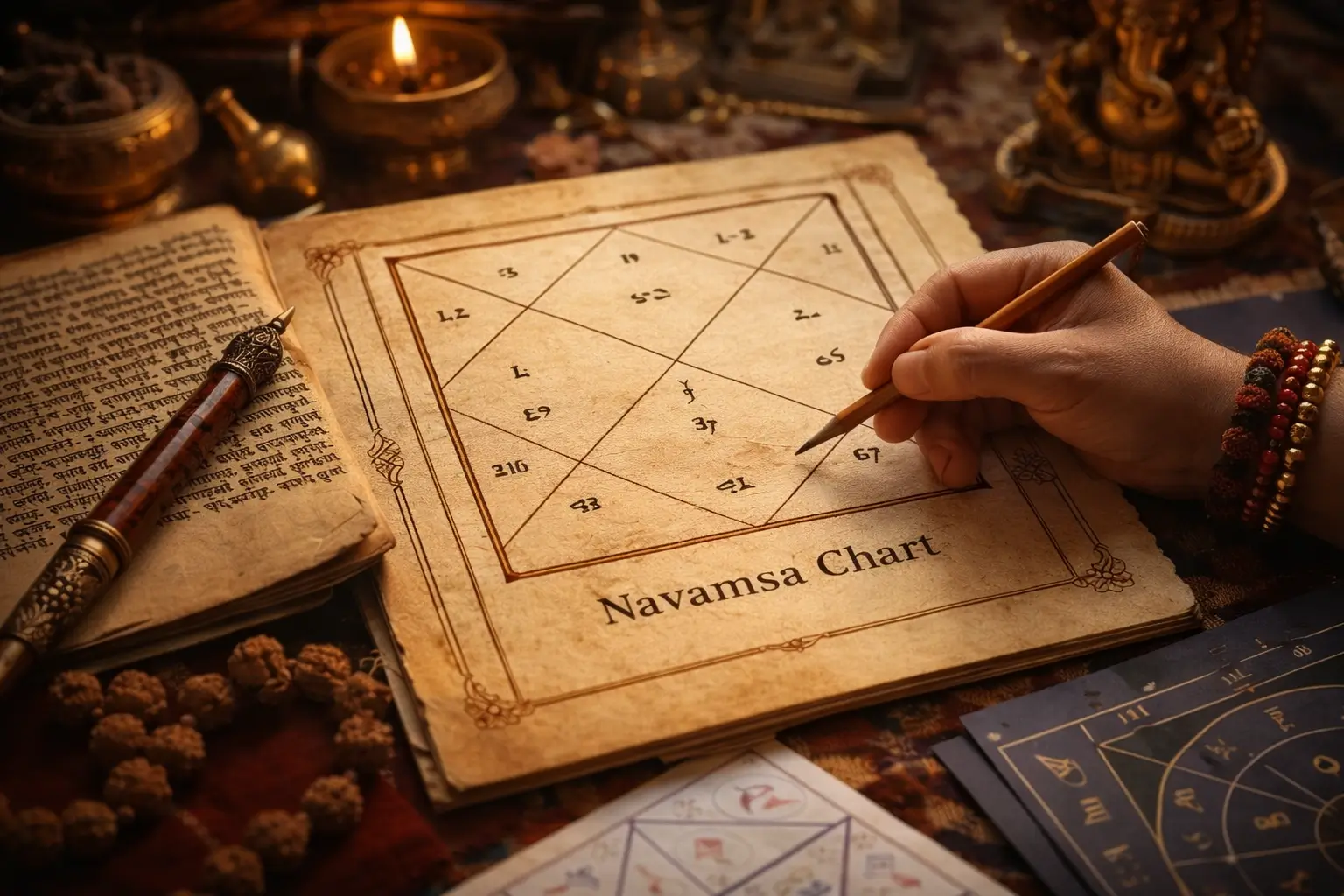
Reading the Navamsa chart is one of the most decisive skills in Vedic astrology. While the birth chart outlines potential, the Navamsa reveals how that potential matures with time, commitment, and lived experience. It refines planetary strength, exposes the deeper quality of relationships, and clarifies outcomes that remain ambiguous in the main chart alone.
Understanding how to read Navamsa chart correctly requires discipline, sequencing, and restraint. The chart does not operate independently. It responds to the birth chart, confirms or modifies promises, and brings clarity only when interpreted in the right order.
What the Navamsa chart represents in practice
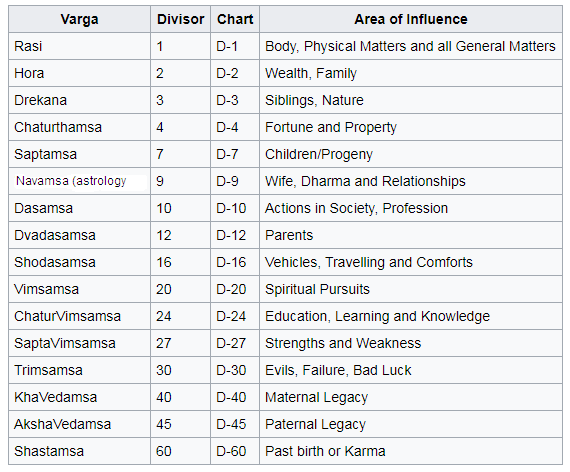
The Navamsa, also known as the D9 chart, is a divisional chart derived by dividing each zodiac sign into nine equal parts. Each planet’s placement in these divisions creates a secondary chart that speaks to refinement rather than raw potential.
In applied astrology, the Navamsa is most closely associated with:
- Marriage and committed partnerships
- Inner strength of planets
- Dharma, maturity, and life direction
- How planetary results unfold after effort and time
Unlike surface-level interpretations, the Navamsa reflects quality, not quantity. It shows whether planetary promises endure, weaken, or transform as life progresses.
Always begin with the birth chart, not Navamsa
A common mistake is to open the Navamsa chart first. This leads to distorted conclusions.
The correct sequence is:
- Assess the birth chart (D1) thoroughly
- Identify planetary promises and limitations
- Use Navamsa only to confirm, refine, or modify those promises
If a result is not indicated in the birth chart, the Navamsa alone will not create it. This principle is central to understanding how to read Navamsa chart in Vedic astrology with accuracy.
Step one: Examine the Navamsa Lagna
The Navamsa Lagna sets the tone of the entire chart. It represents:
- Inner disposition
- Approach to relationships and duty
- The native’s evolving self-image
Key points to assess:
- Strength of the Navamsa Lagna lord
- Benefic or malefic influences on the Lagna
- Relationship between Navamsa Lagna and birth chart Lagna
A strong Navamsa Lagna often indicates resilience and clarity in later life, even if the birth chart shows early instability.
Step two: Judge planetary dignity in Navamsa
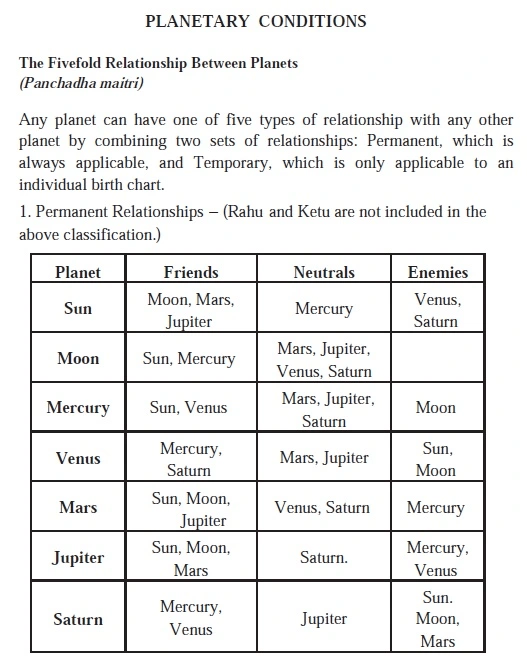
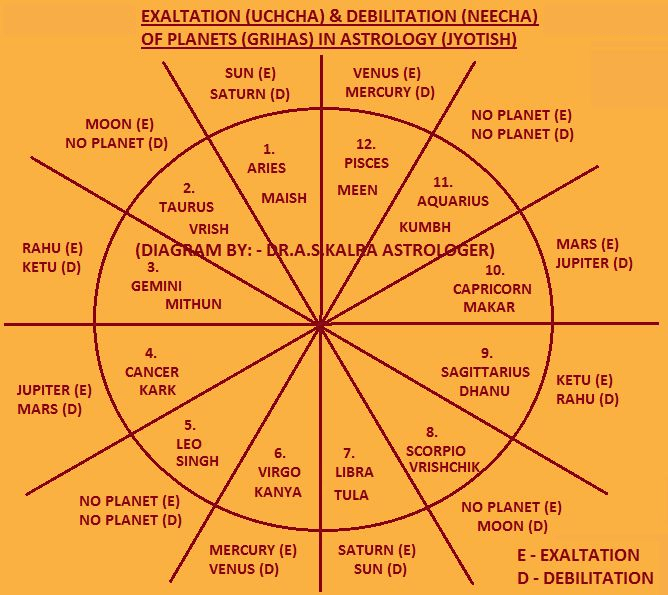
One of the most critical uses of the Navamsa is assessing planetary dignity. A planet’s sign placement here often tells more than its house position.
Pay close attention to:
- Exaltation or debilitation in Navamsa
- Placement in own or friendly signs
- Movement from weakness in D1 to strength in D9, or vice versa
This step directly answers how to read navamsa chart for planetary strength, a question central to predictive accuracy.
A planet debilitated in the birth chart but exalted in Navamsa often improves with age and effort. Conversely, a strong-looking planet in D1 that weakens in D9 may struggle to deliver lasting results.
Step three: Read the 7th house and its lord in Navamsa
The Navamsa’s reputation largely comes from its role in marriage analysis, but this area demands careful handling.
When assessing marriage indicators:
- Examine the 7th house in Navamsa
- Judge the strength and dignity of the 7th lord
- Observe conjunctions and aspects affecting the 7th house
- Compare with 7th house conditions in the birth chart
Avoid absolute conclusions. The Navamsa clarifies quality of partnership, not just presence or absence of marriage.
This approach aligns with advanced navamsa chart interpretation practices used in consultations.
Step four: Analyze Venus and Jupiter contextually
Venus and Jupiter are natural significators of relationships, but their role shifts depending on gender, chart context, and overall structure.
In the Navamsa:
- Venus reflects harmony, desire, and relational ease
- Jupiter reflects wisdom, commitment, and moral alignment
Assess:
- Their dignity and placement
- Mutual relationship between Venus and Jupiter
- Connection to the Navamsa Lagna or 7th house
Strong placements here often indicate stable partnerships, even when timing appears delayed.
Step five: Observe sign repetition and planetary patterns
Patterns matter more than isolated placements.
Look for:
- Repetition of the same sign across D1 and D9
- Planets remaining in the same sign in both charts (Vargottama)
- Clustering of benefics or malefics
Vargottama planets deserve special attention. They gain strength and reliability, often delivering consistent results across life phases.
This technique is foundational when learning how to read navamsa chart step by step without shortcuts.
Step six: Understand house meanings in Navamsa
House meanings in Navamsa differ subtly from the birth chart. They reflect internalized experience rather than external events.
Examples:
- 1st house: inner character and self-growth
- 4th house: emotional security in partnerships
- 7th house: quality of union, not just marriage
- 9th house: moral compass and spiritual alignment
Avoid overloading Navamsa houses with event-based predictions. Use them to assess depth and sustainability.
Step seven: Timing results through Dashas
Navamsa results do not operate in isolation. They activate through planetary periods.
When a Dasha runs:
- The planet’s Navamsa dignity becomes highly relevant
- Relationship themes intensify if marriage indicators are involved
- Inner growth themes surface strongly
This explains why some results appear later in life despite early chart promises.
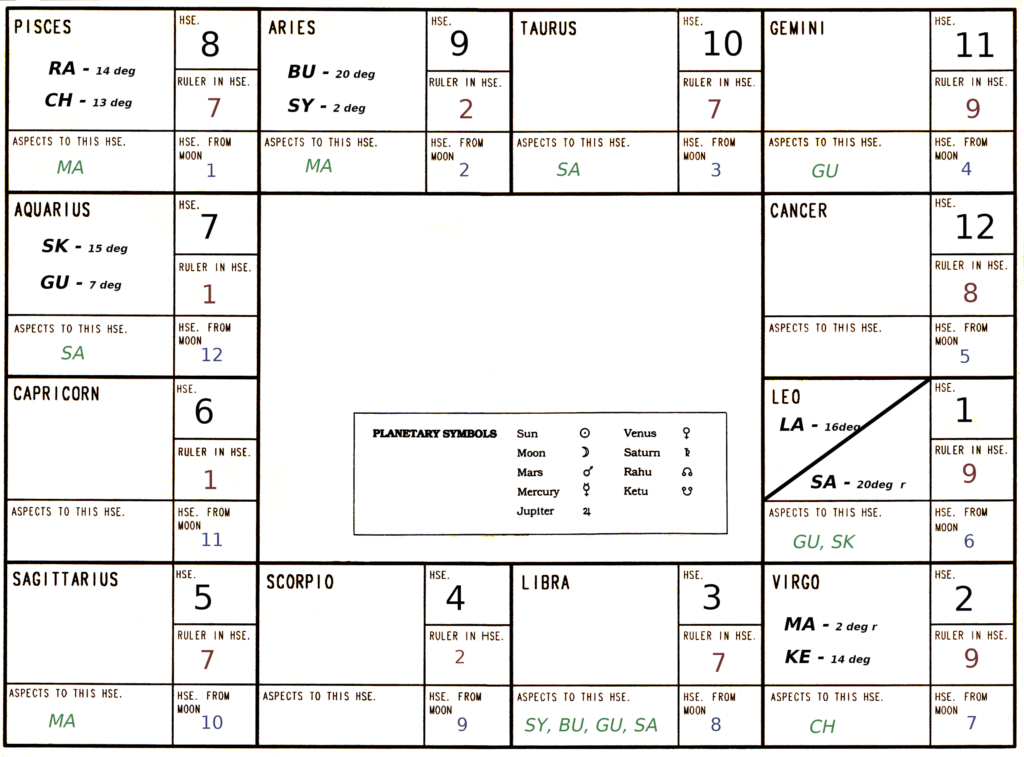
Common errors to avoid when reading Navamsa
Even experienced readers fall into these traps:
- Reading Navamsa without D1 confirmation
- Predicting divorce or denial based on single factors
- Overemphasizing sign placements without dignity analysis
- Ignoring timing mechanisms
Clarity comes from restraint, not overinterpretation.
How Navamsa reflects life maturity
The Navamsa chart matures with the native. Early struggles often soften if Navamsa placements are supportive. Conversely, early ease may demand effort later if Navamsa weakens planetary dignity.
This is why the chart is closely associated with:
- Dharma
- Commitment
- Personal evolution
It reveals not what comes easily, but what endures.
Practical relevance for beginners and professionals
For beginners, the Navamsa teaches discipline and sequencing.
For professionals, it refines judgment and reduces predictive error.
Used correctly, it prevents:
- Premature conclusions
- Overconfidence in surface-level readings
- Misjudgment of long-term outcomes
Understanding how to read navamsa chart properly is less about memorization and more about method.
Disclaimer
This article is intended for educational and informational purposes only. Astrological interpretations vary based on methodology and context and should not be treated as deterministic or predictive guarantees.