SEMrush pricing is one of the most searched topics among marketers, SEO professionals, and business owners because the platform’s value depends entirely on how its plans align with actual usage. Users searching this term want a direct, transparent explanation of what each plan costs, what limits apply, and who each tier is realistically meant for—without sales framing or feature inflation.
This article provides exactly that.
What SEMrush Pricing Covers at a High Level
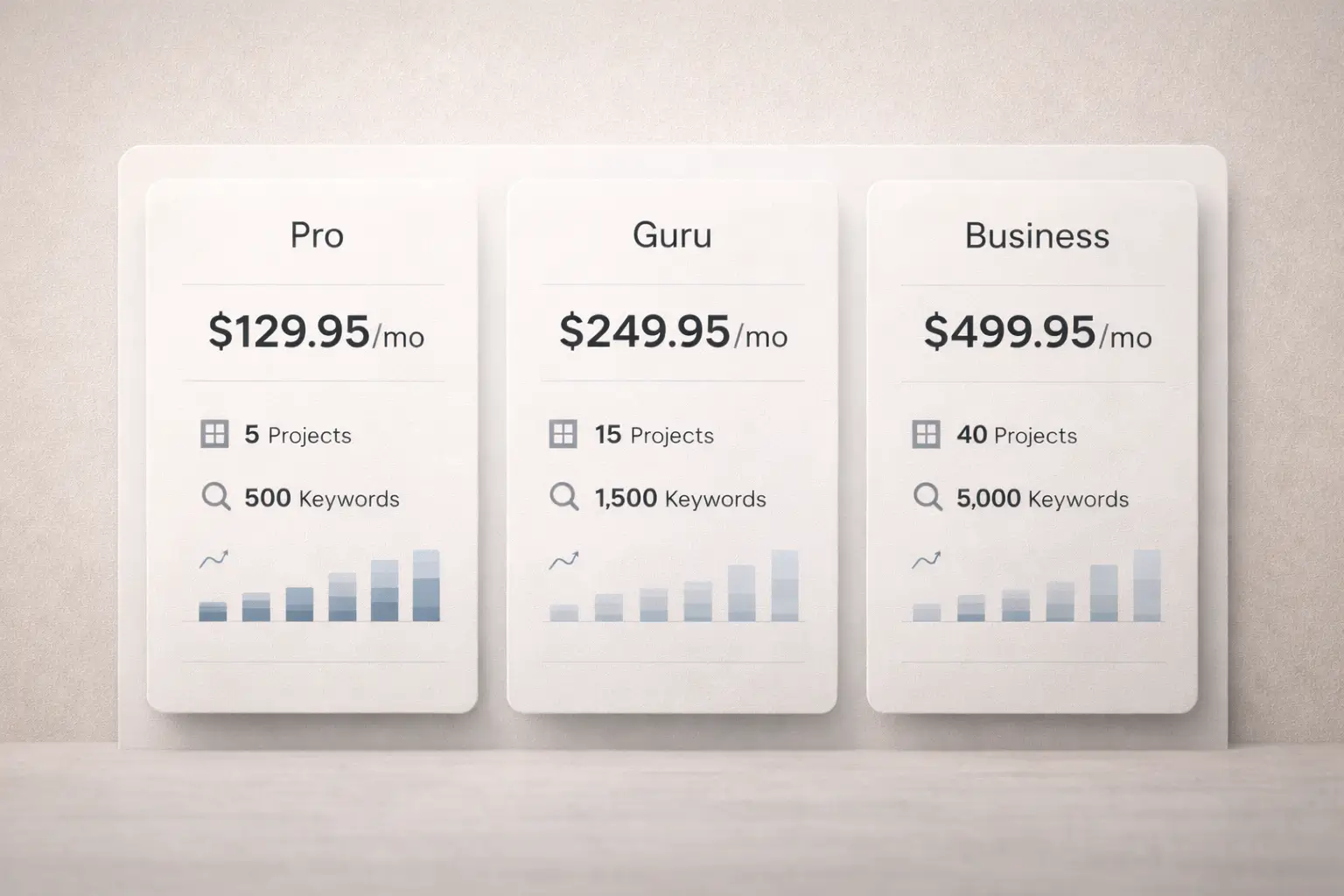
SEMrush uses a subscription-based pricing model with three primary plans. Each plan increases limits across core SEO, PPC, content, and competitive research tools rather than unlocking entirely different software.
All prices below reflect standard monthly billing in USD. Annual billing typically reduces the effective monthly cost but does not change feature limits.
SEMrush Pro Plan: Entry-Level Pricing
Cost
- $129.95 per month
Who This Plan Is For
- Freelancers
- Solo website owners
- Early-stage startups
- Bloggers managing one or two sites
Core Limits at This Price Point
- Up to 5 projects
- Tracking for 500 keywords
- Around 10,000 results per report
- Limited historical data access
- Basic competitor and keyword research
Practical Implications
The Pro plan is designed for single-site or light multi-site work. It provides full access to SEMrush’s core toolset, but with strict limits that make it unsuitable for agencies or large content teams.
Once you exceed project or keyword tracking caps, workflow friction becomes noticeable.
SEMrush Guru Plan: Mid-Tier Pricing
Cost
- $249.95 per month
Who This Plan Is For
- Growing businesses
- In-house SEO teams
- Content-focused publishers
- Consultants managing multiple clients
Core Limits at This Price Point
- Up to 15 projects
- Tracking for 1,500 keywords
- Expanded report limits
- Historical data access
- Content marketing tools included
- Branded PDF reports
Practical Implications
The Guru plan is where SEMrush becomes viable for serious SEO work. Historical data alone significantly changes how professionals evaluate keyword trends, competitors, and long-term growth.
For most non-agency professionals, this is the most balanced pricing tier.
SEMrush Business Plan: Professional and Agency Pricing
Cost
- $499.95 per month
Who This Plan Is For
- SEO agencies
- Large marketing teams
- Enterprises managing multiple brands
- High-volume competitive research users
Core Limits at This Price Point
- Up to 40 projects
- Tracking for 5,000 keywords
- Highest report and crawl limits
- Share of voice metrics
- API access
- Extended competitive datasets
Practical Implications
This pricing tier is about scale, not access. The Business plan does not radically change tools—it increases capacity to support many sites, many stakeholders, and frequent reporting.
For individual users, the cost is rarely justified. For agencies, it often is.
SEMrush Pricing Comparison by Plan
| Plan | Monthly Cost | Projects | Keyword Tracking | Best Use Case |
|---|---|---|---|---|
| Pro | $129.95 | 5 | 500 | Solo users |
| Guru | $249.95 | 15 | 1,500 | In-house teams |
| Business | $499.95 | 40 | 5,000 | Agencies |
This table reflects the practical differentiation most users experience.
What SEMrush Pricing Does Not Include
Many users assume the base price covers unlimited usage. It does not.
Common Add-On Costs
- Additional users
- API units beyond the included quota
- Extra keyword tracking packs
- Increased crawling limits
These extras can increase monthly costs substantially, especially for agencies.
Monthly vs Annual Billing: Cost Differences
SEMrush offers discounts for annual billing.
What Changes
- Lower effective monthly cost
- Same feature limits
- Same plan structure
What Does Not Change
- Usage caps
- Add-on pricing
- Tool access
Annual billing benefits users confident they will use the platform long-term.
SEMrush Pricing in Real-World Use
Understanding pricing requires understanding how limits are consumed.
Common Scenarios
- Keyword tracking limits fill faster than expected
- Projects are consumed per site, not per domain
- Large reports quickly use export quotas
This is why pricing often feels different in practice than on paper.
Is SEMrush Pricing Fixed Globally?
SEMrush pricing is generally USD-based, even for international users. Taxes, currency conversion, and regional pricing adjustments may apply depending on location, but the base structure remains the same.
What Drives the Price Difference Between Plans
The pricing gap is not arbitrary.
Key cost drivers include:
- Data volume access
- Historical index depth
- Reporting and export limits
- Multi-user collaboration needs
Each higher tier is priced for workflow scale, not just feature access.
Choosing the Right SEMrush Plan Based on Cost
Instead of choosing by feature list, users should evaluate:
- Number of websites managed
- Keyword tracking needs
- Frequency of reporting
- Need for historical analysis
- Team size
Most individual professionals either start on Pro or upgrade quickly to Guru once limits are reached.
Common Pricing Misunderstandings
- SEMrush does not charge per keyword researched
- Most tools are available on all plans
- Higher plans do not improve data accuracy—only access volume
Understanding these points prevents overpaying.
When SEMrush Pricing Is Worth It
The pricing makes sense when:
- SEO is tied to revenue outcomes
- Competitive research drives decisions
- Reporting time savings offset cost
It is less justified for casual or experimental use.