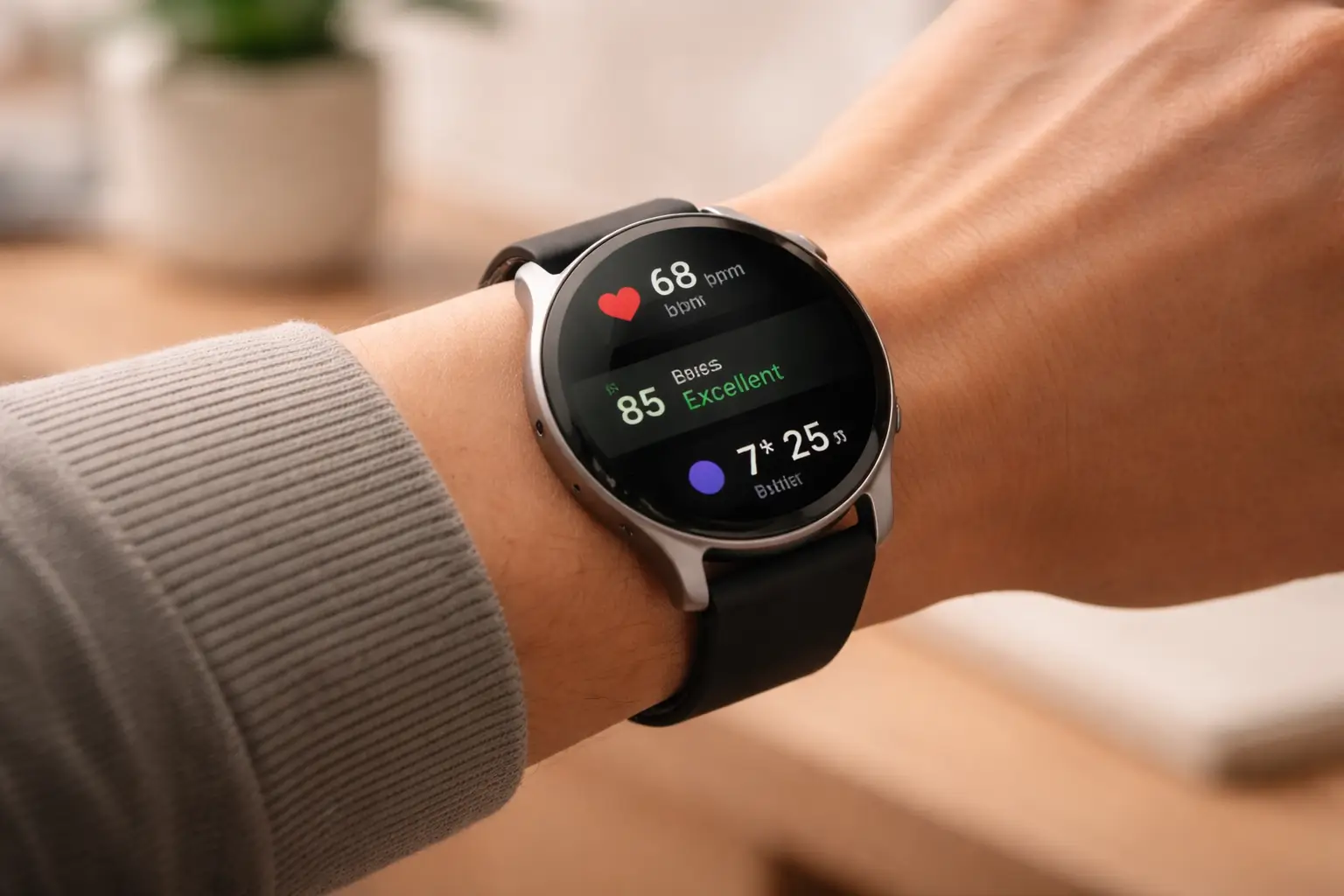
An amazfit watch stands apart in 2026 by delivering long battery life, practical health insights, and broad device choice at accessible price points—without trying to replicate the full app-centric experience of premium smartwatches. The distinction is not a single headline feature; it is a consistent design philosophy that prioritizes endurance, clarity, and value.
This article explains what specifically differentiates an amazfit watch today, and why those differences matter to real users.
Battery Life as a Core Design Choice
Battery performance is the most consistent differentiator of an amazfit watch in 2026.
Why Battery Life Still Matters
While many smartwatches require daily charging, Amazfit devices commonly offer:
- Multi-day to multi-week battery life
- Predictable power usage even with health tracking enabled
- Less dependence on charging habits
This matters most to users who want continuous health data without planning their day around a charger.
Trade-Offs Behind the Endurance
Extended battery life is achieved by:
- Optimized operating systems rather than app-heavy platforms
- Fewer background processes
- Limited third-party app dependence
The result is reliability rather than versatility.
Health Tracking That Favors Trends Over Alerts
In 2026, an amazfit watch emphasizes health patterns, not constant prompts.
What It Tracks Well
Most current models focus on:
- Heart rate and variability trends
- Sleep duration and quality
- Stress indicators and recovery signals
- Daily activity and movement consistency
The strength lies in long-term visibility, not medical-grade precision or real-time warnings.
What It Deliberately Avoids
Amazfit avoids positioning its watches as clinical devices. Notifications and health nudges are typically restrained, which reduces alert fatigue but also means less hands-on guidance.
Broad Product Range With Clear Segmentation
Another distinguishing factor is how Amazfit structures its lineup.
Multiple Use-Cases, Not One Flagship
Instead of pushing a single premium model, Amazfit offers:
- Entry-level fitness watches
- Mid-range lifestyle and health-focused models
- Performance-oriented watches for endurance sports
This approach allows users to choose based on function, not brand hierarchy.
Consistency Across Models
Even lower-priced Amazfit watches often include:
- GPS
- Strong battery life
- Core health metrics
This consistency reinforces trust in the platform.
Software Focused on Clarity, Not Ecosystem Lock-In
Amazfit’s software experience in 2026 prioritizes readability and independence.
Clean Health Dashboards
The companion apps present:
- Clear summaries
- Visual trends rather than raw data overload
- Minimal dependence on subscriptions
Users can interpret their health without needing advanced technical knowledge.
Platform Flexibility
An amazfit watch works comfortably with both Android and iOS, without prioritizing one ecosystem. This neutrality appeals to users who switch phones or avoid brand lock-in.
Design Philosophy: Functional, Not Fashion-Driven
Amazfit’s design language remains intentionally restrained.
Practical Aesthetics
Most models favor:
- Lightweight materials
- Readable displays
- Comfort for all-day wear
This is not a luxury positioning; it is utility-first.
Where Design May Feel Conservative
Users seeking premium materials or fashion-forward designs may find Amazfit understated. The focus remains on usability rather than status signaling.
Pricing Strategy as a Strategic Advantage
In 2026, pricing continues to separate Amazfit from many competitors.
Value Without Feature Dilution
A typical amazfit watch offers:
- Core smartwatch features
- Reliable sensors
- Long-term usability
at prices that undercut many mainstream brands.
Who This Benefits Most
- First-time smartwatch users
- Budget-conscious professionals
- Fitness-focused users uninterested in app ecosystems
Lower cost reduces the risk of entry and increases experimentation.
How Amazfit Differs From Full Smartwatch Platforms
The distinction becomes clearest when compared conceptually—not brand-to-brand.
Amazfit Watch Priorities
- Battery endurance
- Health trend visibility
- Cross-platform compatibility
- Cost efficiency
Typical Premium Smartwatch Priorities
- App ecosystems
- Tight phone integration
- Frequent updates
- Higher hardware costs
Neither approach is universally better; they serve different expectations.
Real-World Implications for Daily Use
What sets an amazfit watch apart in daily life is low friction.
Users often report:
- Less anxiety about charging
- Fewer interruptions
- Greater focus on habits rather than metrics
This makes Amazfit particularly appealing for users who want technology to stay in the background.
Where Amazfit May Not Be the Best Choice
Clarity requires acknowledging limits.
An amazfit watch may not suit users who want:
- Extensive third-party apps
- Rich voice assistants
- Deep smart-home integration
- Frequent OS-level feature expansions
These trade-offs are intentional, not oversights.
Why This Positioning Still Works in 2026
As wearables mature, not all users want more complexity. Amazfit’s differentiation lies in recognizing that simplicity and endurance are features, not compromises.
In a market increasingly split between premium ecosystems and minimal trackers, Amazfit occupies a stable middle ground—and that position remains relevant.