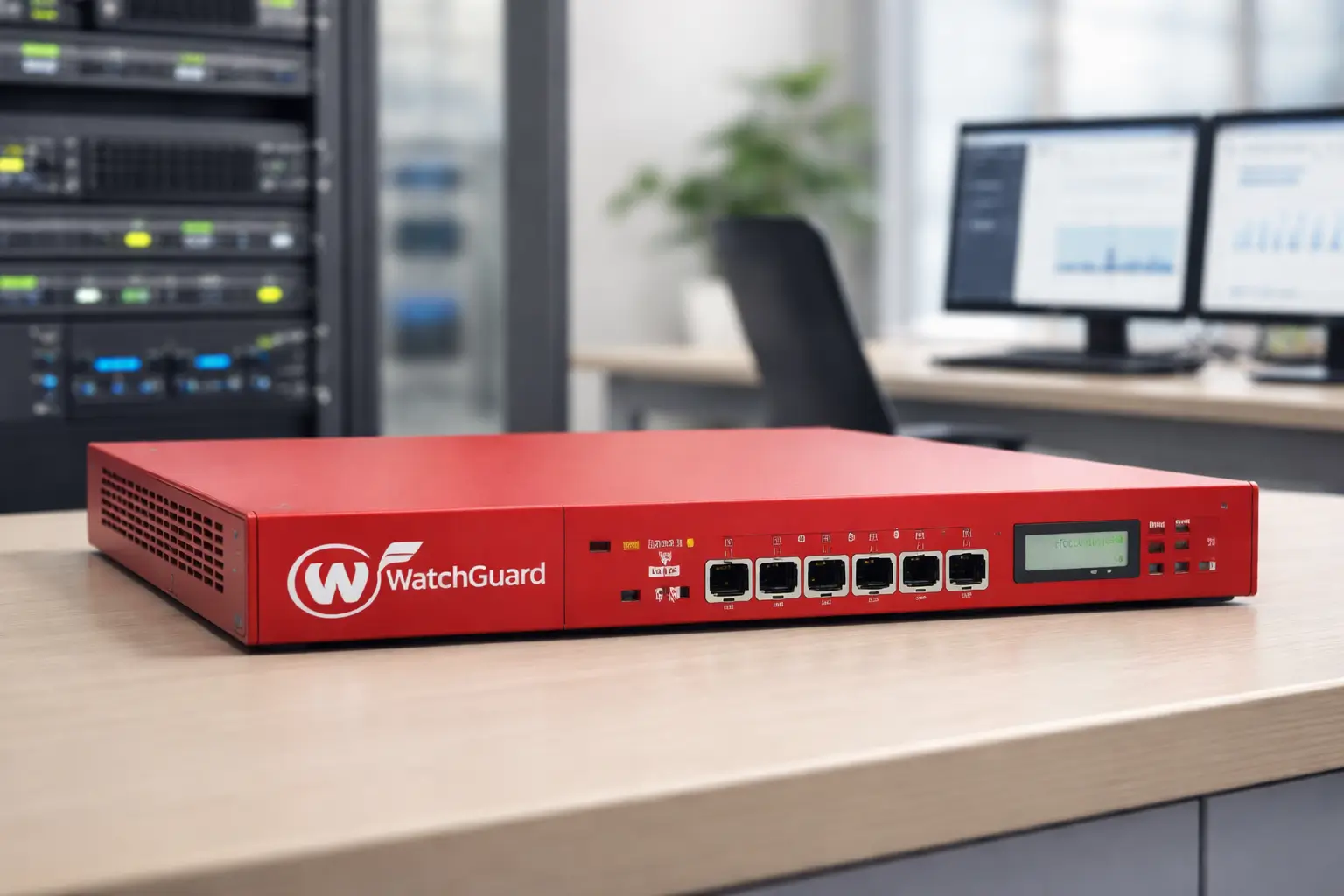
In cybersecurity, very few products truly disappear. Some simply fall quiet—until changing threats, tighter budgets, or new compliance pressures pull them back into focus. That is exactly what is happening with watchguard firebox. Once seen mainly as a reliable firewall for small and mid-sized networks, Firebox is again part of serious security conversations across IT teams, managed service providers, and business leaders.
The reason is not hype. It is timing. As ransomware tactics mature, hybrid work becomes permanent, and organizations seek practical security rather than sprawling toolsets, the firebox firewall has re-entered discussions as a solution that balances depth, manageability, and cost. Understanding why this matters now is essential for anyone responsible for protecting modern networks.
The Changing Security Landscape That Brought Firewalls Back
For several years, firewalls were treated as “solved infrastructure.” Attention shifted to cloud security, endpoint detection, and identity tools. But that assumption is no longer holding.
Several forces have reshaped priorities:
- Ransomware and lateral movement attacks targeting internal networks
- Remote and hybrid work expanding attack surfaces
- Tool sprawl overwhelming smaller IT teams
- Regulatory pressure demanding clearer security controls
In this environment, organizations are reassessing whether their perimeter and network security tools are still fit for purpose. The watchguard firebox conversation is emerging from this reassessment.
What WatchGuard Firebox Actually Is (In Plain Terms)
At its core, WatchGuard Firebox is a next-generation firewall platform designed to protect networks from external and internal threats while remaining manageable for lean IT teams.
Firebox combines several security functions into a single system:
- Stateful firewall inspection
- Intrusion prevention and threat detection
- Gateway antivirus and malware blocking
- Web filtering and application control
- VPN support for remote access and site-to-site links
What distinguishes the firebox firewall is not novelty, but integration and usability—two qualities that have become more valuable as security stacks grow more complex.
Why WatchGuard Firebox Is Reappearing in IT Conversations
1. Security Teams Are Fatigued by Complexity
Many organizations adopted layered tools rapidly over the last five years. The result is often:
- Multiple dashboards
- Disconnected alerts
- Increased licensing costs
- Slower incident response
Firebox is being reconsidered because it consolidates multiple controls into a single, well-defined platform. For smaller teams, fewer tools can mean better outcomes.
2. Hybrid Work Demands Reliable Network Controls
Remote access is no longer optional. Firebox offers mature VPN and traffic inspection features that remain relevant even as cloud adoption grows. IT teams are revisiting network-level security to regain visibility lost during rapid remote expansion.
3. MSPs Are Driving Renewed Adoption
Managed service providers increasingly recommend standardized security platforms. Firebox fits this model because it allows:
- Centralized management across clients
- Predictable deployment patterns
- Consistent security policy enforcement
This MSP adoption is a quiet but powerful reason watchguard firebox keeps appearing in discussions again.
Real-World Scenarios Where Firebox Is Being Reconsidered
Scenario 1: The Mid-Sized Business with Limited Staff
A 150-employee company with two IT administrators faces frequent phishing attempts and compliance audits. They cannot manage five separate security products effectively. Firebox becomes attractive because it centralizes network protection without requiring a security operations center.
Scenario 2: The Growing MSP Portfolio
An MSP supporting dozens of SMBs needs repeatable security deployments. The firebox firewall allows standardized policies while still adapting to each client’s network size and risk profile.
Scenario 3: The Organization Reassessing Legacy Firewalls
Older firewalls still pass traffic but lack modern inspection capabilities. Rather than move to a costly enterprise-only solution, teams explore Firebox as a modernized but accessible alternative.
Strengths That Are Driving Renewed Interest
Unified Threat Management That Still Makes Sense
While “UTM” fell out of fashion, the principle remains valid: integrated security reduces blind spots. Firebox continues to deliver layered protection without excessive configuration overhead.
Clear Visibility into Network Activity
Security tools are only useful if administrators understand them. Firebox emphasizes readable dashboards and actionable alerts, which matters when time and expertise are limited.
Predictable Cost Structure
Budget predictability is a recurring concern. Firebox licensing models are often cited as easier to forecast compared to fragmented tool subscriptions.
Mature, Proven Platform
Firebox is not experimental. Its longevity reassures organizations that prefer stability to constant change.
Limitations and Honest Trade-Offs
A credible security discussion must include drawbacks.
- Firebox may not match the customization depth of high-end enterprise firewalls
- Advanced cloud-native integrations may require additional configuration
- Very large enterprises may outgrow its intended scale
These limitations explain why Firebox is not a universal solution—but they do not diminish its relevance for its target audience.
Firebox Firewall vs. Modern Security Expectations
Modern security is no longer about one “magic” tool. It is about fit.
Firebox aligns well with organizations that prioritize:
- Network visibility
- Practical threat prevention
- Manageable operations
- Cost awareness
It is less suited for environments that require extreme customization or purely cloud-native enforcement. Understanding this distinction is why watchguard firebox discussions are more nuanced today than in the past.
Step-by-Step: How Organizations Are Evaluating Firebox Today
Assess current attack surface
Identify network-level risks that endpoint tools do not cover.
Map operational capacity
Determine how many tools staff can realistically manage.
Review compliance requirements
Ensure firewall controls meet audit expectations.
Test visibility and reporting
Confirm alerts are actionable, not overwhelming.
Plan integration, not replacement
Firebox is often added strategically rather than replacing everything at once.
Frequently Asked Questions (FAQ)
What is WatchGuard Firebox used for?
WatchGuard Firebox is used to protect networks through firewalling, threat prevention, VPN connectivity, and traffic monitoring.
Is WatchGuard Firebox suitable for beginners?
Yes. While it offers advanced features, its interface and documentation are approachable for IT generalists.
How does a firebox firewall differ from basic routers?
A firebox firewall inspects traffic, blocks threats, enforces security policies, and provides visibility that basic routers cannot.
Is WatchGuard Firebox still relevant in cloud environments?
Yes. While not cloud-native by default, it complements cloud and hybrid networks by securing on-premises traffic and remote access.
Who typically uses WatchGuard Firebox?
Small to mid-sized businesses, distributed organizations, and managed service providers commonly use Firebox.
Does Firebox replace endpoint security tools?
No. Firebox works alongside endpoint security, focusing on network-level protection.
Is WatchGuard Firebox enterprise-grade?
It is enterprise-capable within its intended scale, but very large enterprises may require more specialized platforms.
Why This Conversation Matters Now
The return of watchguard firebox to security discussions signals something broader: organizations are re-prioritizing clarity, control, and operational sanity over complexity. Firewalls are no longer background infrastructure. They are again strategic components of defense.
This shift is not about nostalgia. It is about practicality in an era where threats move faster than teams can grow.
Conclusion: A Measured Comeback, Not a Trend Spike
WatchGuard Firebox is not back because of marketing noise. It is back because the security landscape has made its strengths relevant again. For many organizations, especially those balancing risk with limited resources, the firebox firewall offers a grounded approach to modern network defense.
The renewed discussion reflects maturity—not novelty. And in cybersecurity, maturity often matters more.
Disclaimer
This article is for informational purposes only and does not constitute security, legal, or procurement advice. Organizations should evaluate security solutions based on their specific requirements and risk profiles.