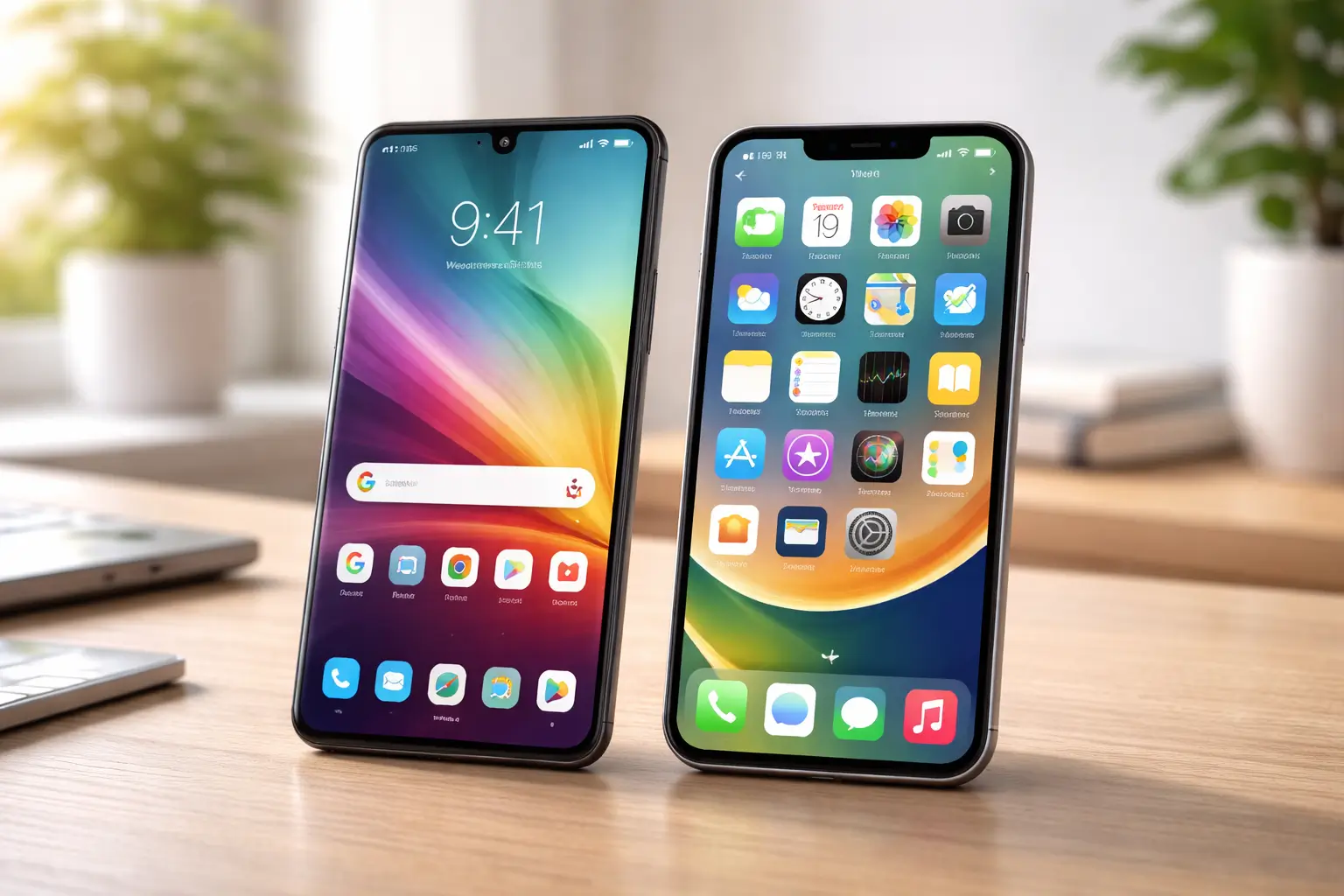
The Smartphone Battle That Never Ends
If you’re planning to buy a new smartphone, you’ve probably faced this question:
👉 Android or iPhone?
This debate has been going on for years—and in 2026, it’s more relevant than ever.
Both platforms have evolved massively, offering powerful features, security, and performance. But they’re designed for different types of users.
Let’s break it down in a simple, honest, and practical way so you can make the right decision.
Android vs iOS: Quick Overview
| Feature | Android 📱 | iOS 🍏 |
|---|---|---|
| Customization | ⭐⭐⭐⭐⭐ | ⭐⭐ |
| Security | ⭐⭐⭐ | ⭐⭐⭐⭐⭐ |
| Price Range | Budget to Premium | Mostly Premium |
| App Quality | Good | Excellent |
| Ecosystem | Flexible | Seamless |
1. User Experience & Interface
Android
- Highly customizable
- Widgets, themes, launchers
- Freedom to tweak everything
iOS
- Clean and simple
- Consistent experience
- Beginner-friendly
💡 Expert Tip:
If you love control → Android
If you prefer simplicity → iOS
2. Performance & Speed
iPhones are known for smooth performance due to tight hardware-software integration.
Android phones vary depending on brand.
Real-life example:
A flagship Android (like Samsung S series) matches iPhone performance, but budget Android phones may lag.
👉 Verdict:
- High-end → Equal
- Budget → iOS wins
3. App Quality & Ecosystem
iOS
- Apps are better optimized
- Fewer bugs
- Early updates
Android
- More variety
- Open ecosystem
💡 Example:
Apps like Instagram often run smoother on iPhone.
4. Customization & Flexibility
Android dominates here.
- Change launchers
- Install APKs
- Customize UI
iOS is improving but still limited.
👉 Verdict: Android wins easily
5. Security & Privacy
Apple focuses heavily on privacy.
iOS Advantages:
- Strict app policies
- Less malware risk
- Better data protection
Android:
- Improving security
- More vulnerable due to open system
📊 Data Insight:
iOS devices face significantly fewer malware attacks.
6. Price & Value for Money
Android:
- ₹7,000 to ₹1,50,000+
- Options for every budget
iOS:
- Premium pricing
- High resale value
👉 Verdict:
- Budget users → Android
- Premium users → iOS
7. Updates & Longevity
Apple provides updates for 5–6 years.
Android varies by brand.
💡 Example:
Older iPhones still get updates, while many Android phones don’t.
8. Ecosystem Integration
iOS Ecosystem:
- iPhone + Mac + iPad + Apple Watch
- Seamless connectivity
Android Ecosystem:
- More flexible
- Less unified
👉 Apple wins in ecosystem
9. Battery Life & Charging
Android:
- Faster charging
- Bigger batteries
iOS:
- Optimized battery usage
👉 Mixed results depending on device
10. Camera Performance
Both platforms offer excellent cameras.
- iPhone: Natural colors, video king
- Android: More features, zoom, AI
💡 Example:
Samsung excels in zoom, iPhone excels in video.
Common Mistakes to Avoid
❌ Buying iPhone just for brand value
❌ Choosing cheap Android expecting flagship performance
❌ Ignoring long-term updates
❌ Not considering ecosystem needs
Quick Summary
- Choose Android if you want customization and budget options
- Choose iOS if you want simplicity, security, and long-term updates
- Both are powerful—it depends on your needs
Conclusion: Which One Should You Choose?
There’s no universal winner.
👉 Go for Android if:
- You love flexibility
- You’re on a budget
👉 Go for iOS if:
- You want a smooth, secure experience
- You’re invested in Apple ecosystem
Final Advice:
Don’t follow trends—choose what fits your lifestyle.
Disclaimer
This article is for informational purposes only. Features may vary depending on device model and updates.