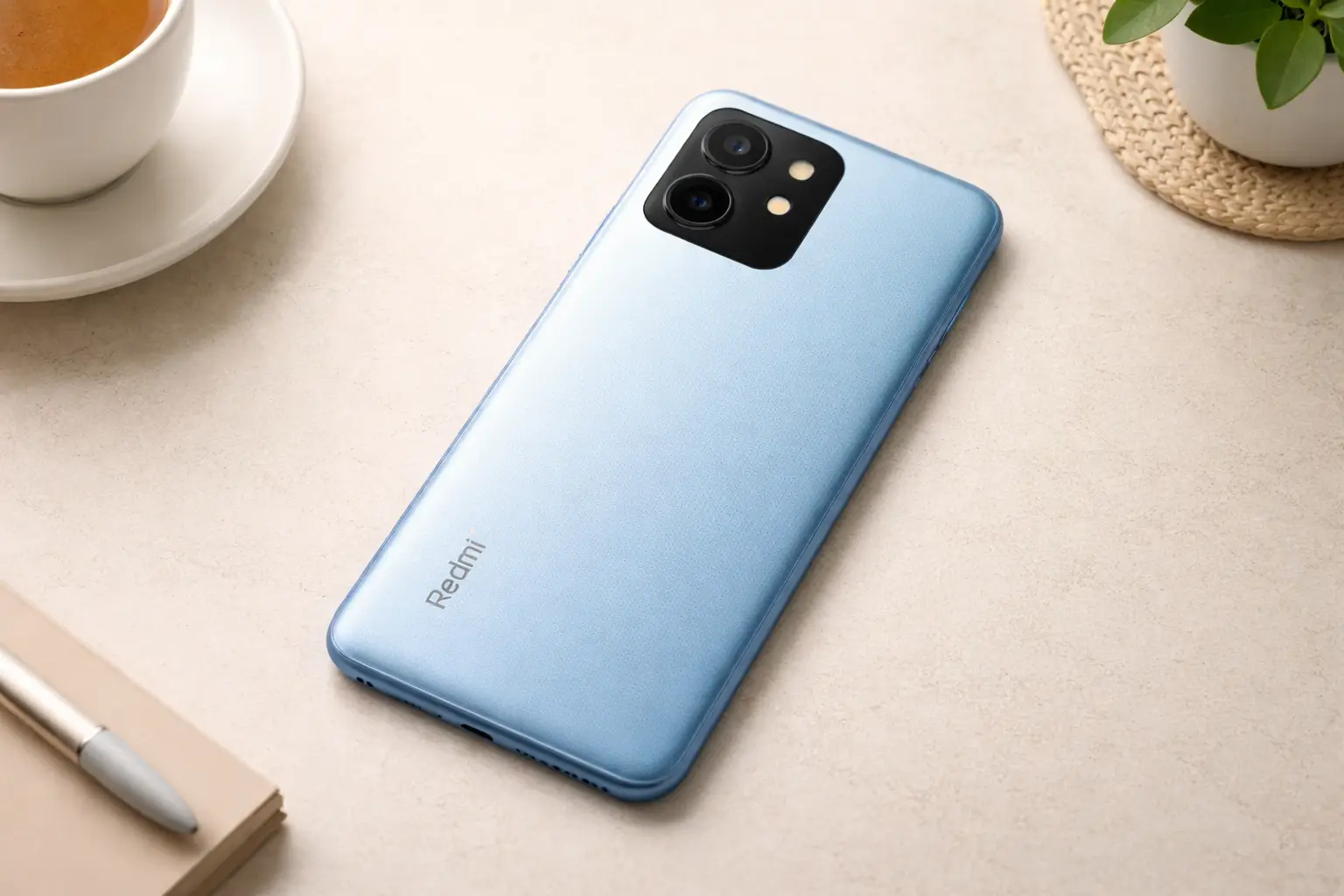
Early interest around the redmi 15c is being driven by a familiar buyer question: what is likely to change, and does it materially affect day-to-day use? Current information is based on controlled leaks, certification patterns, and Xiaomi’s established budget-phone cadence. The focus below is not on speculation for its own sake, but on what each rumored specification would practically mean for buyers considering an entry-level or secondary smartphone.
Positioning of Redmi 15C in Xiaomi’s Lineup
The Redmi “C” series traditionally sits at the base of Xiaomi’s portfolio, prioritizing affordability, battery life, and basic reliability over premium features. If naming continuity holds, the Redmi 15C is expected to:
- Target first-time smartphone users and cost-sensitive buyers
- Compete directly with entry models from Realme, Samsung, and Lava
- Focus on longevity (battery, software stability) rather than raw power
This context is essential, because expectations should align with segment realities.
Display Rumors and Their Practical Impact
Likely Display Characteristics
Current leaks and certification hints suggest:
- Large LCD panel (around 6.7 inches)
- HD+ resolution
- 90Hz refresh rate (incremental upgrade over older 60Hz panels)
What This Means for Buyers
- HD+ resolution keeps costs low and helps battery efficiency, but text sharpness will remain average
- 90Hz refresh rate, if confirmed, improves scrolling smoothness noticeably in everyday use
- LCD (not AMOLED) indicates no always-on display or deep blacks, but better durability in this segment
For general users—calls, messaging, social media, video—the display would be functional rather than immersive.
Performance and Processor Expectations
Rumored Chipset Direction
While no final chipset is confirmed, patterns suggest:
- Entry-level MediaTek Helio or Unisoc platform
- Focus on power efficiency rather than performance benchmarks
Real-World Implications
- Smooth operation for basic apps (WhatsApp, YouTube, Chrome, UPI apps)
- Limited multitasking headroom with heavy apps or games
- Not suitable for sustained gaming or demanding workloads
For buyers upgrading from phones older than 3–4 years, performance would still feel like a step forward.
RAM and Storage Configurations
Expected Options
- 4GB RAM as base variant
- 64GB or 128GB internal storage
- Virtual RAM support via software
What Buyers Should Understand
- 4GB RAM is sufficient for light use but can struggle with aggressive multitasking
- 128GB storage, if offered, significantly improves long-term usability
- microSD expansion is likely, which matters in this price tier
The key takeaway is longevity. Storage capacity often matters more than marginal processor gains.
Battery Capacity and Charging Signals
Rumored Battery Specs
- 5,000mAh battery or higher
- 18W wired charging support
Practical Meaning
- Full-day to two-day battery life for light users
- Slower charging compared to mid-range phones, but acceptable overnight
- Battery size aligns with Redmi’s long-standing strength in endurance
For users prioritizing reliability over speed, this remains a core advantage.
Camera Expectations: Incremental, Not Transformational
Likely Camera Setup
- Single 50MP primary sensor
- Auxiliary depth or AI lens
- Basic 5MP–8MP front camera
What This Actually Delivers
- Acceptable daylight photography for documents and casual shots
- Limited low-light performance due to sensor size and processing
- Video capabilities likely capped at basic stabilization and resolution
Buyers should view the camera as functional, not competitive with mid-range alternatives.
Software Experience and Updates
Expected Software
- Android 14 (Go Edition or standard, depending on hardware)
- MIUI or HyperOS Lite variant
Implications for Long-Term Use
- Cleaner UI than older MIUI builds
- Likely limited to one major Android update
- Security updates prioritized over feature expansion
This matters most for users planning to keep the phone for multiple years.
Build Quality and Design Cues
Anticipated Design Direction
- Plastic back and frame
- Minimalist camera island
- Side-mounted fingerprint scanner
Buyer-Relevant Considerations
- Plastic construction improves drop resilience
- Fingerprint scanner placement is practical and reliable
- Design will prioritize cost efficiency over aesthetics
Durability and usability take precedence over visual distinction.
Connectivity and Everyday Essentials
Expected Inclusions
- Dual 4G LTE support
- Wi-Fi 5
- Bluetooth 5.x
- 3.5mm headphone jack
What This Means
- No 5G, which aligns with price positioning
- Headphone jack remains valuable for budget users
- Network reliability over cutting-edge connectivity
This reinforces the Redmi 15C’s role as a utility-first device.
Pricing Expectations and Market Context
Likely Price Band (India)
- Entry variant around ₹8,000–₹10,000
- Higher storage variant slightly above
Buyer Interpretation
- Competitive pricing is essential due to strong alternatives
- Value depends heavily on storage configuration and software polish
- Price sensitivity means small spec changes can shift buyer preference
At this level, perceived value often outweighs spec sheets.
Who Should Pay Attention to Redmi 15C Rumors
The Redmi 15C, based on current signals, is most relevant for:
- First-time smartphone buyers
- Users replacing very old Android devices
- Parents buying secondary phones for family members
- Buyers prioritizing battery life and reliability over features
It is not designed for performance-focused or camera-centric users.
What These Rumors Do Not Suggest
Equally important is what is unlikely:
- No AMOLED display
- No high-refresh-rate gaming performance
- No multi-camera photography system
- No long-term flagship-level software support
Understanding these limits prevents mismatched expectations.