Introduction: Why Gold Is Back in the Spotlight
Across trading desks, news headlines, and everyday conversations, gold prices are once again commanding attention. This is not driven by speculation alone. It reflects a deeper shift in how investors, governments, and households are responding to economic uncertainty, currency pressure, and changing global power dynamics.
Gold has always played a unique role in financial systems. But the current surge in interest is different. It is happening simultaneously across regions, asset classes, and investor profiles. Understanding why gold prices are trending now matters—not just for investors, but for anyone trying to make sense of where global markets may be headed next.
This article explains the forces behind today’s gold price momentum, what it signals about the global economy, and how it affects decisions ranging from long-term investing to practical choices like cash for gold transactions.
Gold’s Role in a Changing Global Economy
Why Gold Still Matters in Modern Markets
Gold is often described as a “safe haven,” but that label oversimplifies its role. In reality, gold serves several overlapping purposes:
- A hedge against inflation
- A store of value during currency weakness
- A diversification tool in volatile markets
- A reserve asset for central banks
When multiple pressures emerge at the same time, gold tends to move from the background to the foreground. That is exactly what is happening now.
The Key Drivers Behind Rising Gold Prices
1. Inflation Concerns That Refuse to Fade
Even as inflation rates fluctuate, long-term concerns remain. Many economies are still adjusting to:
- Higher borrowing costs
- Rising food and energy prices
- Wage pressures
Gold historically performs well when purchasing power feels uncertain. Investors use it to protect value rather than chase growth.
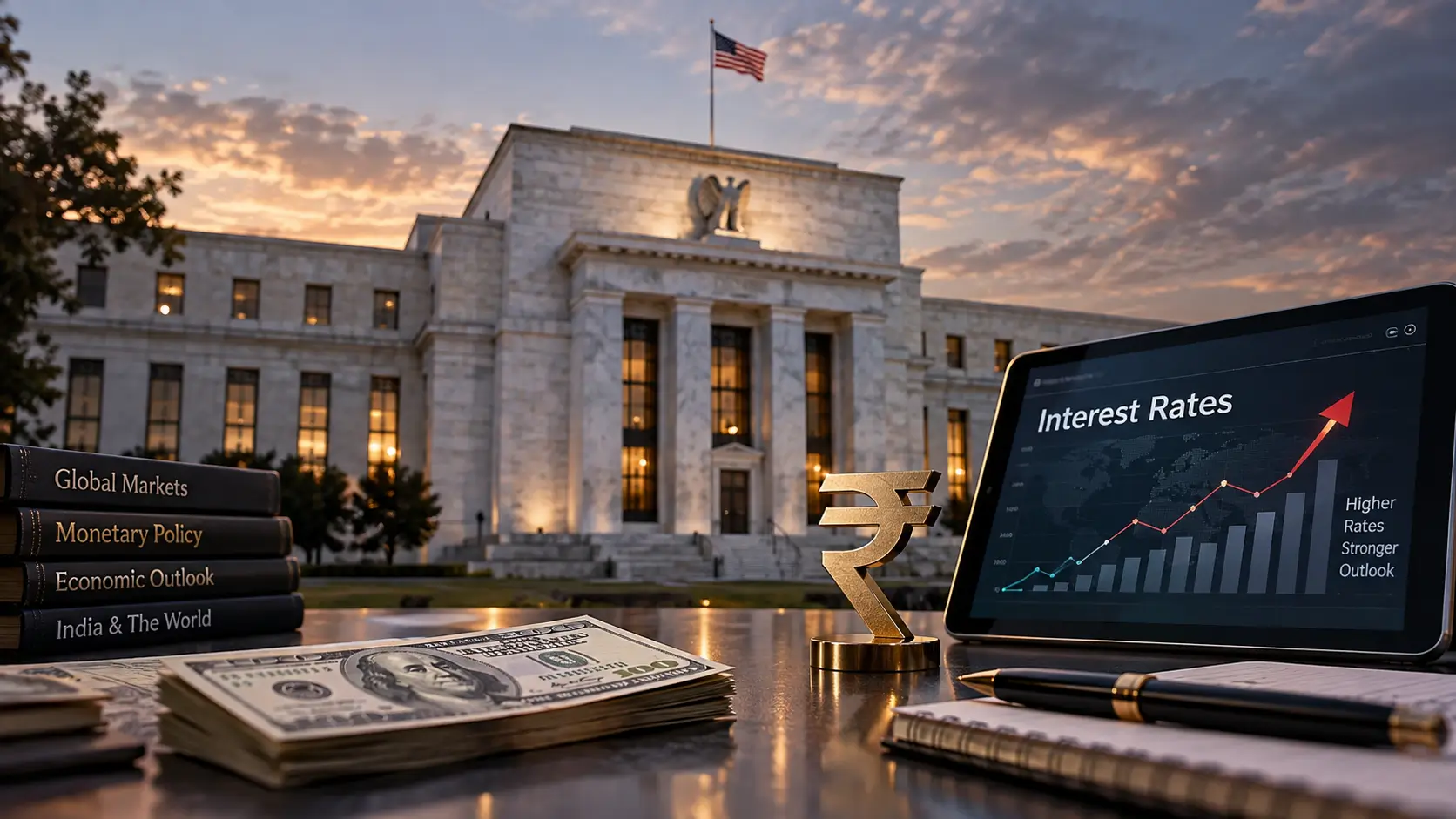
2. Interest Rate Uncertainty
Gold prices are closely tied to interest rate expectations. When rates appear unstable or likely to change:
- Bond yields become less predictable
- Currency markets turn volatile
- Gold becomes more attractive as a neutral asset
Markets today are reacting not just to current rates, but to uncertainty about where they go next.
3. Central Banks Buying More Gold
One of the most underappreciated drivers of gold prices is central bank demand. In recent years, central banks have:
- Increased gold reserves
- Reduced reliance on foreign currencies
- Sought long-term balance sheet stability
This steady, institutional demand provides strong underlying support for gold prices.
Currency Volatility and the Appeal of Gold
Gold as a Counterweight to Currency Risk
When major currencies weaken or fluctuate sharply, gold often benefits. Unlike paper currencies, gold:
- Is not tied to a single economy
- Cannot be devalued by policy decisions
- Holds global acceptance
As currency volatility increases across regions, gold’s neutrality becomes more valuable.
Geopolitical Tensions and Market Psychology
Why Uncertainty Pushes Investors Toward Gold
Geopolitical developments influence markets even when they do not immediately disrupt trade. Investors respond to:
- Heightened geopolitical risks
- Trade policy uncertainty
- Regional conflicts
Gold tends to rise not because of panic, but because it offers reassurance when outcomes feel unclear.
Gold Prices and Everyday Economic Behavior
The Rise in Cash for Gold Activity
Rising gold prices affect not only investors but also households. When prices climb:
- People reassess idle gold assets
- Cash for gold services see increased activity
- Gold jewelry and holdings are viewed as financial resources
This reflects gold’s unique position as both a cultural and financial asset.
What This Signals
Increased cash-for-gold activity often suggests:
- Household liquidity needs
- Confidence in high gold valuations
- Awareness of gold’s market value
These trends offer insight into broader consumer sentiment.
How Gold Prices Affect Different Types of Investors
For Long-Term Investors
Gold provides balance rather than growth. It helps stabilize portfolios during periods of stress.
For Short-Term Traders
Price momentum and volatility can create opportunities, but also risks, requiring disciplined strategies.
For Non-Investors
Gold price trends influence resale decisions, inheritance planning, and household asset management.
The Benefits and Limitations of Rising Gold Prices
Benefits
- Portfolio diversification
- Protection against currency erosion
- Liquidity in times of uncertainty
Drawbacks
- No income generation
- Price sensitivity to policy changes
- Potential volatility during market shifts
Understanding both sides helps set realistic expectations.
How to Read Gold Price Trends Step by Step
A Practical Framework
- Track inflation and interest rate signals
- Watch central bank gold reserve data
- Monitor currency movements
- Observe geopolitical developments
- Compare gold performance with other assets
This approach turns headlines into informed analysis.
Frequently Asked Questions (FAQ)
Why are gold prices rising globally?
Gold prices are rising due to inflation concerns, central bank demand, currency volatility, and geopolitical uncertainty.
Do gold prices always rise during inflation?
Not always, but gold often performs well when inflation expectations remain elevated.
How do interest rates affect gold prices?
Higher interest rates can pressure gold, while uncertainty or falling rates often support it.
What does cash for gold mean?
Cash for gold refers to selling physical gold for immediate payment, often influenced by current gold prices.
Is selling gold during high prices a good idea?
It depends on individual financial needs and long-term goals. Prices should be evaluated carefully.
Are central banks still buying gold?
Yes. Many central banks continue to increase gold reserves as part of long-term strategy.
Is gold a safe investment?
Gold reduces risk but does not eliminate it. It should be part of a diversified approach.
Can gold prices fall suddenly?
Yes. Gold prices can decline due to policy shifts, currency strength, or reduced demand.
Conclusion: What Gold’s Momentum Really Tells Us
The fact that gold prices are trending across global markets is not a coincidence. It reflects a world navigating uncertainty, reassessing risk, and seeking stability amid change. Gold’s renewed relevance signals caution, not panic—prudence rather than speculation.
For readers, the key takeaway is clarity. Gold is not about predicting crises; it is about understanding how markets respond when confidence becomes selective. Whether as an investor, a saver, or someone considering cash-for-gold options, recognizing why gold is moving now provides valuable context for smarter decisions.
Disclaimer
This article is for informational purposes only and does not constitute financial or investment advice. Readers should consult qualified professionals before making financial decisions.