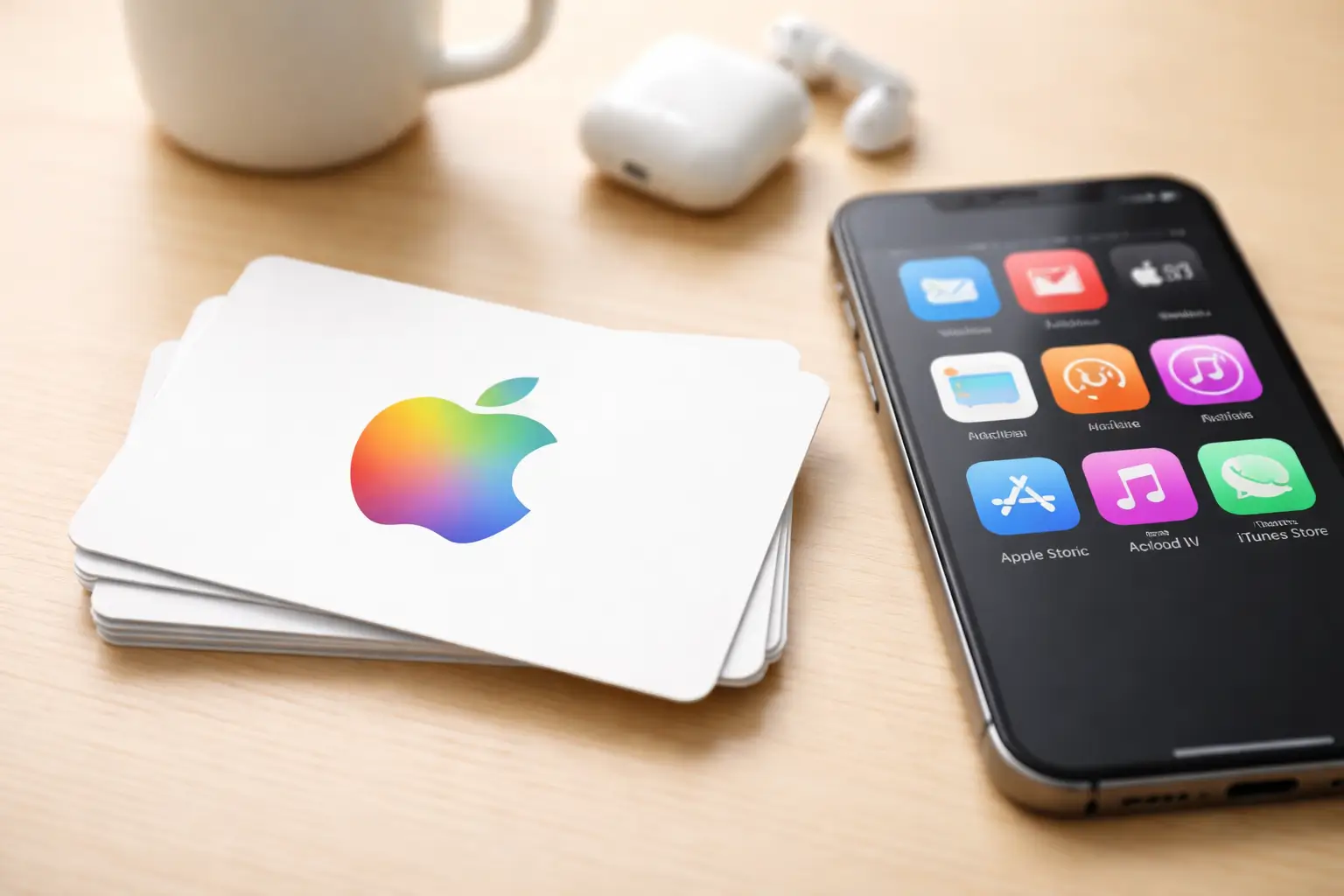
Apple gift card deals rarely announce themselves with urgency. They appear quietly—bundled with retailer offers, slipped into seasonal promotions, or framed as routine incentives. At first glance, they seem straightforward: buy a card, get a little extra value, and move on. Yet over time, a pattern has emerged that many users miss entirely.
The real story behind Apple gift card deals is not about saving a few rupees or dollars. It is about how Apple’s ecosystem pricing, retailer behavior, and consumer psychology intersect in subtle ways. For everyday users, professionals, and even long-time Apple customers, understanding these nuances can mean the difference between perceived value and actual value.
What follows is not a deal roundup or a promotional guide. It is a closer look at how these offers actually work, why they appear when they do, and what most people overlook when evaluating them.
Why Apple Gift Card Deals Don’t Behave Like Normal Discounts
Traditional discounts reduce a product’s listed price. Apple gift card deals rarely do that. Instead, they preserve Apple’s premium pricing while shifting value elsewhere.
This distinction matters more than it seems.
Apple maintains strict control over product pricing across regions and retailers. Direct price cuts can disrupt brand consistency, create expectation shifts, and complicate resale value. Gift cards solve this problem elegantly: value is added without altering the perceived price of the product itself.
For consumers, this means:
- The “deal” is indirect
- The benefit often applies later, not immediately
- The real value depends on how and when the card is used
Many users assume a gift card offer is equivalent to a price cut. It is not. It functions more like delayed purchasing power within a controlled ecosystem.
The Quiet Timing Pattern Behind Apple Gift Card Deals
One of the most overlooked aspects of apple gift card deals is timing. These offers tend to appear during specific moments, not randomly.
Common timing windows include:
- Just before major product launches
- Around ecosystem-driven seasons (back-to-school, holidays)
- During retailer inventory realignment cycles
The logic is simple. Apple gift cards encourage future spending. When issued before a launch, they nudge users to stay within the Apple ecosystem when new products or services arrive.
This is why many deals feel “underwhelming” at first glance. Their value is forward-looking, not immediate.
Users who recognize this pattern often plan usage rather than reacting impulsively.
Apple Gift Card Deals vs Apple Store Credit: A Subtle Distinction
Not all Apple-related credits behave the same way, and confusing them is a common mistake.
Apple gift cards generally:
- Work across Apple hardware, apps, subscriptions, and services
- Can be redeemed gradually, not all at once
- Have fewer promotional restrictions than third-party coupons
However, retailer-issued bonuses tied to gift cards may carry:
- Expiration windows
- Limited redemption categories
- Usage restrictions tied to specific platforms
This is where many people miscalculate value. A headline offer may look generous, but its usability depends on fine-print details that are easy to overlook.
Why “Apple Gift Card Free” Offers Deserve Extra Scrutiny
The phrase “apple gift card free” surfaces frequently online, especially during high-traffic deal seasons. While some of these offers are legitimate, many rely on misunderstanding.
In most cases, “free” gift cards are:
- Conditional bonuses (spend X, receive Y)
- Loyalty or reward redemptions
- Part of bundled promotions rather than standalone giveaways
Legitimate scenarios usually involve:
- Credit card reward programs
- Corporate benefit portals
- Seasonal retailer incentives tied to minimum spend
What matters is not whether the card is technically free, but whether it introduces spending behavior the user would not otherwise choose.
The most informed users treat “free” as a marketing label, not a guarantee of net value.
The Ecosystem Effect Most Buyers Overlook
Apple gift card deals make the most sense when viewed through ecosystem economics.
Apple’s revenue increasingly comes from services—apps, subscriptions, cloud storage, entertainment—not just hardware. Gift cards function as a bridge between hardware purchases and ongoing service engagement.
For users already embedded in the ecosystem:
- The card often replaces spending they would do anyway
- Value realization is relatively straightforward
For occasional users:
- The card may sit unused
- Perceived savings may never materialize
This explains why some people feel gift card deals are “worth it,” while others feel indifferent. The difference lies in usage behavior, not deal quality.
Where Most People Misjudge the Real Value
The most common mistake is treating apple gift card deals as universal value.
In reality, value depends on:
- Frequency of Apple service usage
- Planned future purchases
- Willingness to stay within the Apple ecosystem
For example:
- A user already paying for cloud storage or music subscriptions may effectively convert the gift card into cash-equivalent savings
- A user with no planned Apple spending may experience zero practical benefit
The deal itself does not create value. Behavior does.
Why Retailers Love Apple Gift Card Deals
Retailers promote these deals aggressively for a reason.
Gift card promotions:
- Increase basket size
- Reduce immediate margin pressure
- Encourage brand-aligned spending
From a retailer perspective, gift cards are efficient incentives. They create perceived generosity without permanent price erosion.
This is also why deals often appear generous but limited in flexibility.
Understanding retailer motivation helps consumers decode which offers are genuinely useful and which are primarily engagement tools.
The Psychological Appeal That Drives Clicks and Misses
Apple gift card deals trigger a specific psychological response: future reward certainty.
Unlike coupons that expire quickly or discounts that feel fleeting, gift cards represent stored value. That makes them emotionally reassuring, even when the actual savings are modest.
This effect leads many users to:
- Overestimate the deal’s importance
- Ignore opportunity cost
- Delay evaluating actual usefulness
Recognizing this bias helps users approach deals with clarity rather than impulse.
When Apple Gift Card Deals Actually Make Strategic Sense
Despite their limitations, these deals can be genuinely effective in certain situations.
They tend to work best when:
- A user already plans to buy Apple hardware
- Services are actively used month-to-month
- The card offsets unavoidable ecosystem costs
They are less effective when:
- Purchases are speculative
- Spending is driven solely by the offer
- Usage horizons are unclear
The difference lies in alignment between deal structure and personal usage patterns.
Why Apple Gift Card Deals Rarely Get Worse—But Rarely Get Better
Another overlooked reality: these deals are remarkably stable over time.
Apple does not experiment aggressively with gift card incentives. Instead, offers evolve slowly, maintaining consistency and predictability.
For consumers, this means:
- Waiting rarely leads to dramatically better offers
- Panic buying is unnecessary
- Timing matters more than chasing maximum bonuses
This stability reflects Apple’s broader pricing philosophy: controlled, incremental, and ecosystem-first.
How Professionals and Power Users Approach These Deals Differently
Professionals who rely on Apple products for work often view gift card deals as budgeting tools rather than savings opportunities.
They may:
- Allocate cards toward recurring expenses
- Treat them as deferred discounts
- Integrate them into predictable spending cycles
This practical approach contrasts sharply with casual users who treat deals as impulse triggers.
Understanding this difference explains why opinions about apple gift card deals vary so widely online.