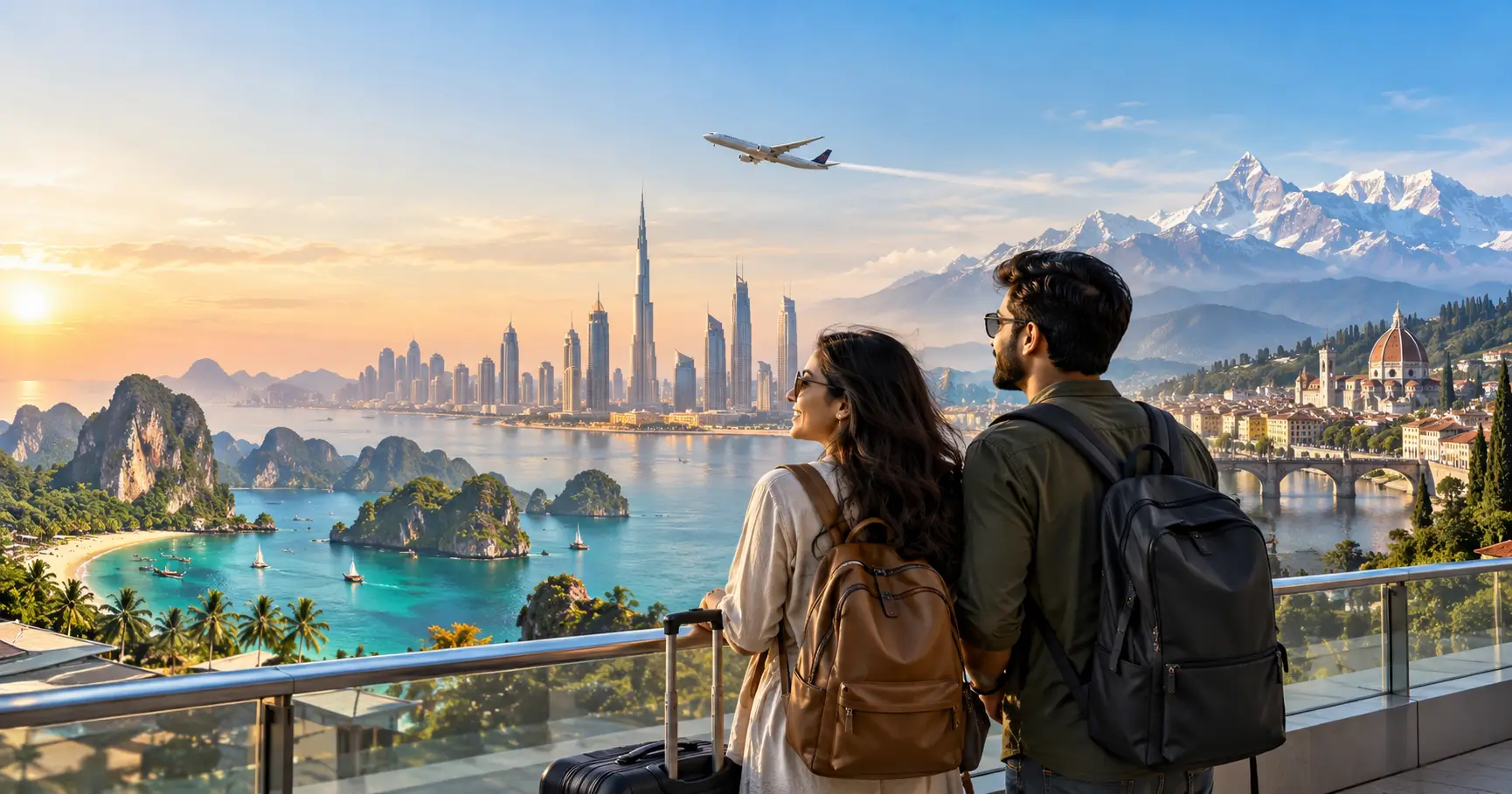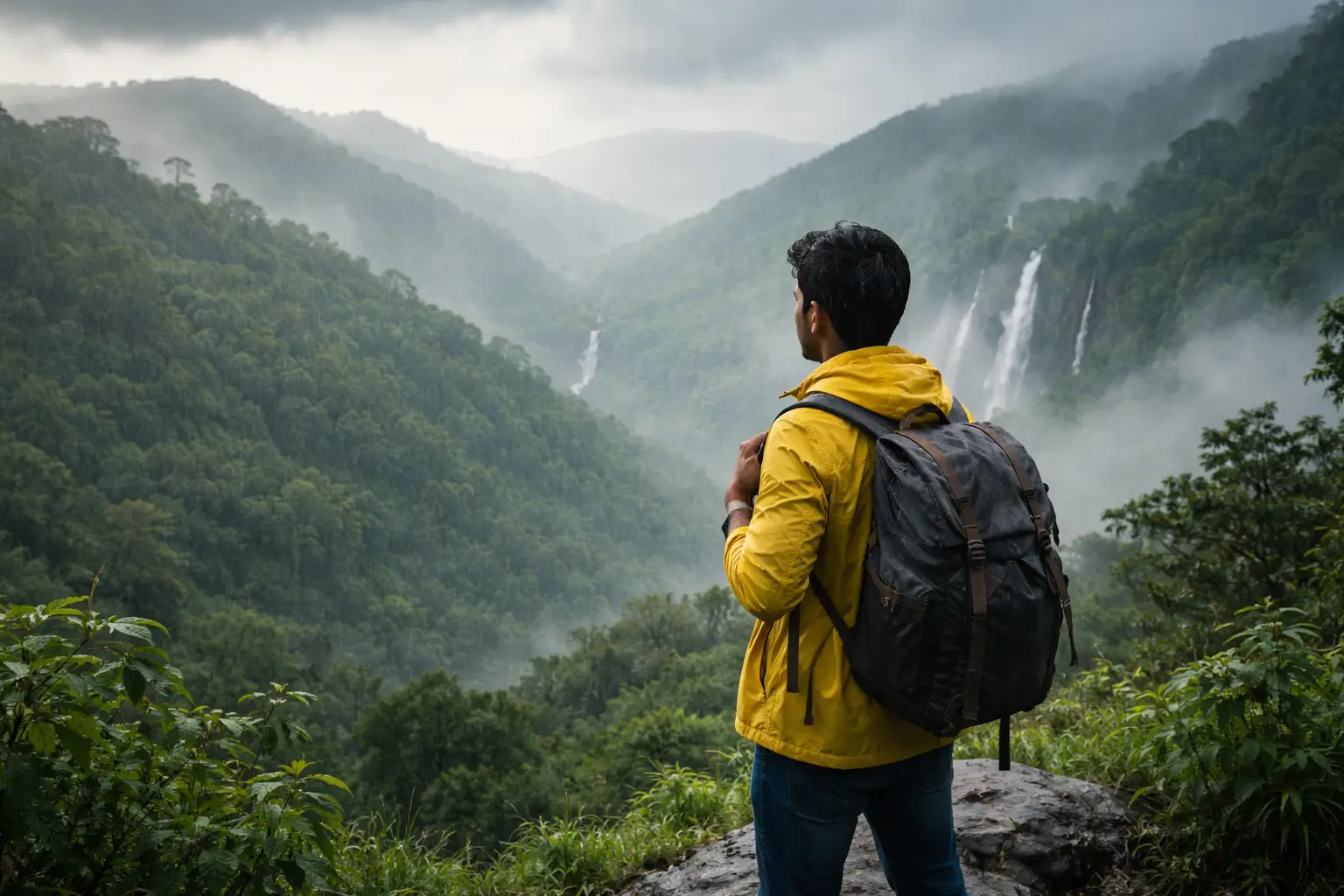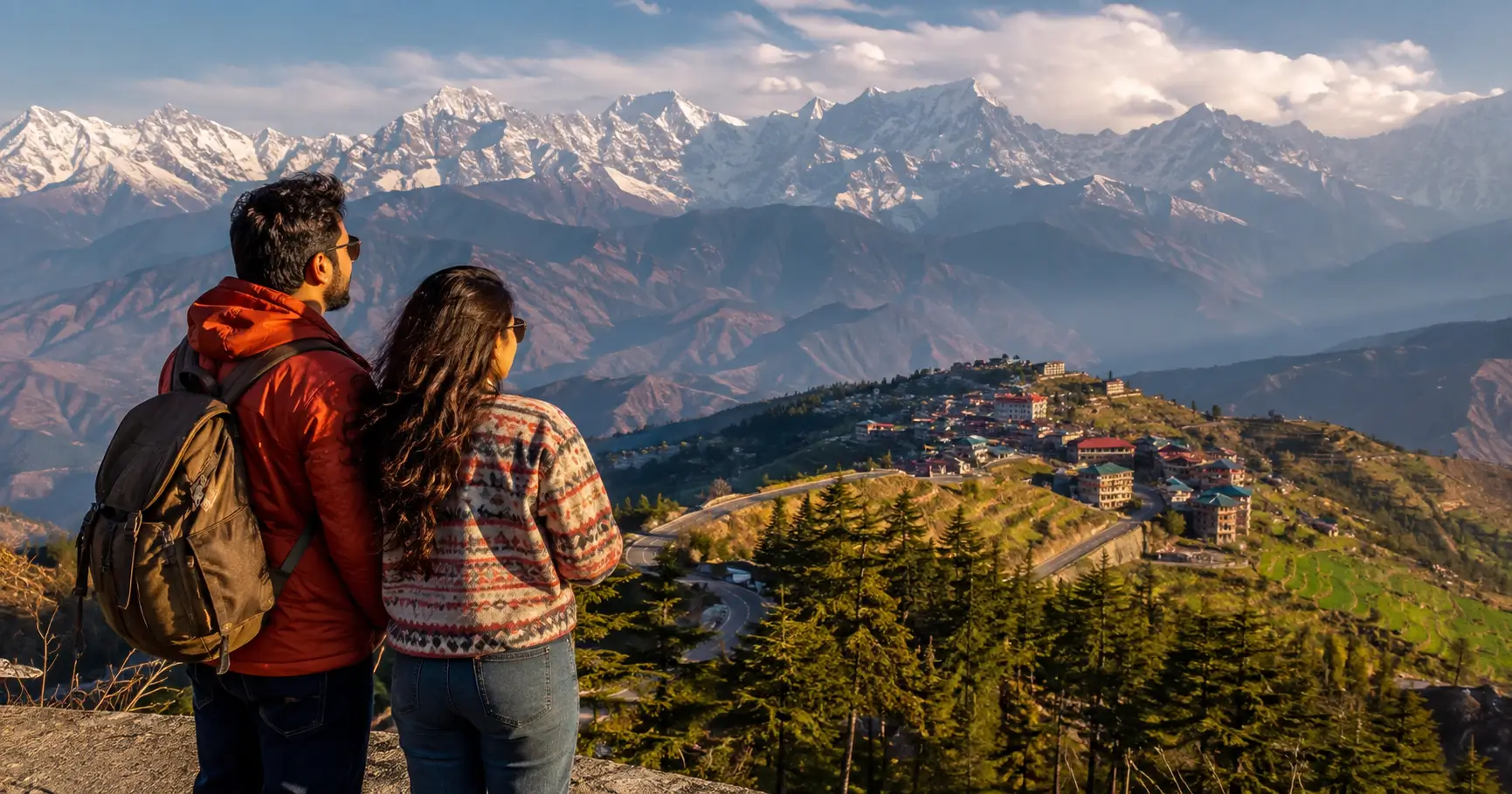
Some Himalayan trips are about checking famous landmarks off a list. Others are about finding a quiet valley, watching clouds roll over cedar forests, or waking up to mountains that look completely different from the photographs.
That is what makes choosing the best places to visit in Himachal Pradesh surprisingly difficult. The state offers colonial hill stations, Tibetan culture, alpine valleys, adventure hubs, ancient temples and high-altitude landscapes—all within one Himalayan state.
The trick is not trying to see everything.
It is choosing the destination that matches your travel style, season and available time.
Himachal Tourism describes the state as a destination for all seasons, with tourism spread across major destinations and lesser-explored areas.
The best places to visit in Himachal Pradesh
There is no single destination that is perfect for every traveler. A honeymoon couple may prefer a peaceful mountain town, while an adventure traveler may want trekking and high-altitude roads.
Here are 12 destinations worth considering.
1. Shimla — Best for first-time visitors


Shimla remains one of the easiest introductions to Himachal Pradesh.
The historic hill station combines mountain scenery with colonial architecture, The Ridge, Mall Road, temples and surrounding forest landscapes. The Kalka-Shimla railway, recognized as a UNESCO World Heritage mountain railway, adds another memorable dimension to the journey.
Best for: first-time travelers, families, couples and short holidays.
Don’t miss: The Ridge, Jakhoo Temple, Indian Institute of Advanced Studies, Kufri and Naldehra.
Travel tip: Instead of spending your entire trip around Mall Road, reserve a day for quieter places around Shimla such as Mashobra or Naldehra.
2. Manali — Best for a classic Himalayan holiday


Manali is one of Himachal’s most versatile destinations.
You can combine cafés, temples, river landscapes, mountain walks and adventure activities in one trip. It also provides access toward higher Himalayan areas.
Rohtang Pass is a major attraction, although access is regulated and tourist vehicles require the applicable permit. Conditions can also change with snow and road accessibility.
Best for: couples, families, adventure travelers and groups.
Don’t miss: Old Manali, Hidimba Devi Temple, Solang Valley and nearby mountain excursions.
Travel tip: Do not build your entire itinerary around Rohtang. Weather and access can change, so keep alternative experiences available.
3. Dharamshala and McLeod Ganj — Best for culture and mountain views


Dharamshala offers something different from the traditional hill-station experience.
The lower town gradually transitions toward McLeod Ganj, where Tibetan culture, monasteries, cafés and mountain scenery create a distinctive atmosphere. The Dhauladhar range provides a dramatic backdrop.
For outdoor travelers, Triund is one of the region’s best-known trekking experiences. Himachal Tourism places Triund at about 2,875 metres and describes the route as a moderate trek through oak and deodar forests.
Best for: culture lovers, trekkers, solo travelers and couples.
Don’t miss: McLeod Ganj, Bhagsunag, Norbulingka Institute, monasteries and Triund.
4. Spiti Valley — Best for dramatic landscapes


Spiti is where Himachal begins to feel almost otherworldly.
The landscape shifts from lush mountain forests to stark, high-altitude terrain. Villages, monasteries, winding roads and barren mountains create a travel experience very different from Shimla or Manali.
Spiti can be reached from the Shimla-Kinnaur side or from Manali, depending on road conditions and seasonal accessibility. Himachal Tourism notes that the valley has limited medical facilities, making preparation particularly important.
Best for: experienced road travelers, photographers, adventure seekers and slow travelers.
Travel tip: Avoid treating Spiti like a quick weekend destination. Allow time for acclimatization and changing road conditions.
5. Dalhousie — Best for a relaxed mountain escape


Dalhousie is ideal when you want a slower Himalayan holiday.
Spread across several hills, the town combines colonial-era architecture, forest walks and views toward the surrounding mountains. Nearby Khajjiar adds an open meadow landscape framed by dense cedar forest.
Best for: families, couples, photographers and relaxed vacations.
Don’t miss: Khajjiar, Dainkund, Kalatop and the historic churches.
Travel tip: Give yourself time to walk rather than rushing between attractions by car.
6. Kasol — Best for a laid-back valley experience


Kasol sits along the Parvati River and has developed into a popular base for travelers exploring the valley.
The atmosphere is more informal than the classic hill stations, with guesthouses, cafés and access to nearby trekking areas. Himachal Tourism identifies Kasol as a popular destination in the Kullu region.
Best for: backpackers, young travelers and trekking enthusiasts.
Travel tip: Use Kasol as a base for exploring the valley rather than assuming the village itself is the complete experience.
7. Kinnaur — Best for apple orchards and high mountain scenery
Kinnaur offers a more remote Himalayan experience, with dramatic valleys, traditional villages, orchards and high mountain landscapes.
Destinations around Kalpa and Sangla are especially attractive to travelers who want scenery without the intensity of a major tourist hub.
Best for: road trips, photographers, couples and experienced travelers.
The important distinction is pace. Kinnaur rewards travelers who are willing to spend more time on the road rather than rushing from attraction to attraction.
8. Lahaul Valley — Best for an offbeat Himalayan road trip
Lahaul provides a fascinating transition between greener mountain valleys and the high-altitude landscapes farther east.
The scenery changes dramatically as you gain elevation, making the journey itself part of the attraction.
Himachal Tourism includes Lahaul among the state’s principal destinations and highlights the contrasting geography of its Himalayan valleys.
Best for: road-trip enthusiasts, photographers and travelers seeking quieter landscapes.
9. Chamba — Best for heritage and culture


Chamba is a strong choice for travelers who want culture alongside mountain scenery.
The historic town, traditional architecture, temples and Chaugan provide a different experience from commercial hill stations. Nearby Chamera Lake and Khajjiar can also be incorporated into a wider Chamba itinerary.
Best for: heritage travelers, families, photographers and culture enthusiasts.
10. Palampur — Best for a peaceful countryside break
Palampur is known for its tea-growing landscape and views toward the Dhauladhar range.
It works particularly well for travelers who prefer a quieter base rather than a busy tourist center.
Best for: slow travel, couples, families and nature lovers.
A good Palampur trip should include time for local walks, tea gardens and nearby cultural attractions rather than only sightseeing.
11. Kullu — Best for valley scenery and local culture
Kullu is often overshadowed by neighboring Manali, but that makes it worth considering.
The wider Kullu Valley offers river landscapes, forests, traditional settlements and access to places such as Manikaran and Jalori Pass.
Jalori Pass is particularly appealing to hikers, while Manikaran combines mountain scenery with religious and cultural significance.
Best for: families, culture-focused travelers and outdoor enthusiasts.
12. Kasauli — Best for a short mountain break
Kasauli is one of the more convenient options for travelers who want a relatively short escape from the plains.
Its colonial character, forested surroundings and relaxed pace make it suitable for a two- or three-day trip.
Best for: weekend travelers, couples and families.
It is especially useful when your priority is rest rather than covering a long sightseeing checklist.
Which Himachal destination is right for you?
Choosing by travel style is often more useful than choosing by popularity.
| Traveler type | Best choices |
|---|---|
| First-time visitor | Shimla, Manali |
| Couple | Manali, Dharamshala, Dalhousie |
| Family | Shimla, Manali, Dalhousie |
| Trekker | Dharamshala, Kasol, Lahaul |
| Road-trip traveler | Spiti, Kinnaur, Lahaul |
| Culture lover | Dharamshala, Chamba, Kullu |
| Photographer | Spiti, Kinnaur, Lahaul |
| Short weekend trip | Shimla, Kasauli |
| Quiet vacation | Palampur, Dalhousie |
| Adventure traveler | Manali, Spiti, Dharamshala |
Best time to visit Himachal Pradesh
One of the biggest mistakes travelers make is assuming that the whole state has the same climate.
It does not.
Himachal experiences major differences in elevation and geography. The official tourism department divides the year into spring, summer, autumn and winter, with each season offering a different travel experience.
March to May: spring and early summer
This is a strong period for lower and mid-altitude destinations.
Good choices: Shimla, Dharamshala, Dalhousie, Palampur and Kasauli.
June to August: summer and monsoon
Higher destinations can become attractive for road trips, but monsoon conditions require more caution.
Good choices: selected higher-altitude routes, depending on current road and weather conditions.
September to November: autumn
Clearer conditions and changing foliage can make autumn particularly rewarding.
Good choices: Kinnaur, Spiti where accessible, Shimla, Manali and Dharamshala.
December to February: winter
Snow becomes the major attraction in suitable destinations.
Good choices: Shimla, Manali, Dalhousie and selected snow destinations, subject to current weather and road conditions.
How to plan a Himachal trip step by step
A good itinerary starts with the destination—not the hotel.
Step 1: Decide your travel style
Choose between relaxation, adventure, culture, photography or sightseeing.
Step 2: Match the destination to the season
Do not select Spiti, Rohtang or another high-altitude destination simply because photographs look spectacular.
Check current road accessibility and weather before departure.
Step 3: Give yourself enough time
For a first trip, avoid combining too many distant destinations.
A seven-day holiday is usually better spent exploring one region deeply than spending most of the week sitting in a vehicle.
Step 4: Build flexibility into the itinerary
Mountain travel is different from city travel.
Keep at least one flexible day when visiting remote areas.
Step 5: Verify local conditions
Check official tourism information, road conditions, permits and local advisories immediately before departure.
Himachal Tourism provides destination information, connectivity details and tourist contacts through its official portal.
Common mistakes travelers make in Himachal
Trying to cover too much
Shimla, Manali, Dharamshala and Spiti may all look close on a map, but Himalayan roads make travel times much longer than straight-line distances suggest.
Ignoring altitude
A destination at several thousand metres above sea level can require a slower pace, particularly for travelers arriving directly from the plains.
Treating weather as predictable
Mountain weather can change rapidly.
Always carry layers, check forecasts and maintain a backup plan.
Booking purely on photographs
A beautiful hotel photo does not tell you whether the property has convenient road access, reliable heating, parking or good connectivity.
Ignoring responsible travel
Avoid littering, respect local communities and religious sites, and follow restrictions around protected or environmentally sensitive areas.
Myths vs facts about Himachal travel
| Myth | Reality |
|---|---|
| Himachal is only a summer destination | Different regions work across different seasons. |
| Manali is the whole of Himachal | The state contains many distinct valleys and cultural regions. |
| Every mountain road is easy | Terrain and weather can make journeys demanding. |
| Remote destinations are always better | Remote areas require more preparation and flexibility. |
| More destinations mean a better trip | A slower regional itinerary can be more enjoyable. |
The smartest way to choose
If this is your first Himachal trip, start with Shimla or Manali.
If you want culture and mountain scenery, consider Dharamshala.
If you want dramatic landscapes, choose Spiti or Kinnaur.
If you want quiet forests and heritage, look toward Dalhousie or Chamba.
And if you want something less conventional, Lahaul, Palampur and selected Kullu Valley destinations deserve a closer look.
The best Himalayan holiday is rarely the one with the longest checklist.
It is the one where the destination matches your pace, season and reason for traveling.
FAQ
What are the best places to visit in Himachal Pradesh?
Shimla, Manali, Dharamshala, Spiti Valley, Dalhousie, Kinnaur, Kullu, Chamba and Lahaul are among the strongest choices. The best destination depends on your season, interests and trip duration.
Which is the best place to visit in Himachal Pradesh for first-time travelers?
Shimla and Manali are excellent first choices because they offer established tourist infrastructure, attractions and relatively convenient connectivity. Himachal Tourism identifies both among the state’s major tourist destinations.
Which place is best for couples in Himachal Pradesh?
Manali, Dharamshala and Dalhousie are popular choices for couples because they combine scenic landscapes, comfortable accommodation and varied sightseeing options.
Which is better for adventure, Manali or Shimla?
Manali generally offers more adventure-oriented experiences, including access to high mountain areas and activities around the Solang and Rohtang region. Shimla is better suited to a combination of sightseeing, heritage and relaxed mountain travel.
What is the best time to visit Himachal Pradesh?
There is no single best month for the entire state. March to June is popular for many lower and mid-altitude destinations, while September to November can offer attractive autumn conditions. Winter is preferred by travelers seeking snow, while monsoon travel requires greater attention to weather and road conditions.
How many days are enough for a Himachal Pradesh trip?
For a first trip, 5–7 days works well for one region, while 10–14 days allows travelers to explore a more extensive itinerary. Avoid packing too many distant destinations into a short trip because mountain travel can take considerably longer than expected.
Conclusion
Himachal Pradesh is not simply one destination—it is a collection of dramatically different Himalayan experiences.
Shimla offers heritage and accessibility. Manali delivers the classic mountain holiday. Dharamshala combines culture with the Dhauladhar range, while Spiti and Kinnaur reward travelers who want dramatic landscapes and a deeper sense of adventure.
The official tourism department also emphasizes that Himachal can be experienced across different seasons and regions rather than being limited to a single travel window.
The smartest approach is therefore simple: choose your destination according to your travel style, match it to the season, leave room for changing mountain conditions, and explore fewer places more deeply.
If you’re planning your first Himalayan holiday, start with Shimla, Manali or Dharamshala. If you’ve already experienced the classics, make your next journey about Spiti, Kinnaur, Lahaul or Chamba.
That is where Himachal starts feeling less like a checklist—and more like an experience.
Disclaimer
Travel Disclaimer: Travel conditions in Himachal Pradesh can change because of weather, snowfall, landslides, road closures, permits, local regulations and seasonal restrictions. Information in this guide is intended for general travel planning and may change after publication. Before traveling, verify current road conditions, weather forecasts, permits, accommodation availability and local advisories through official government or tourism sources. Travelers should use appropriate judgment, follow local instructions and take additional precautions when visiting high-altitude or remote areas.