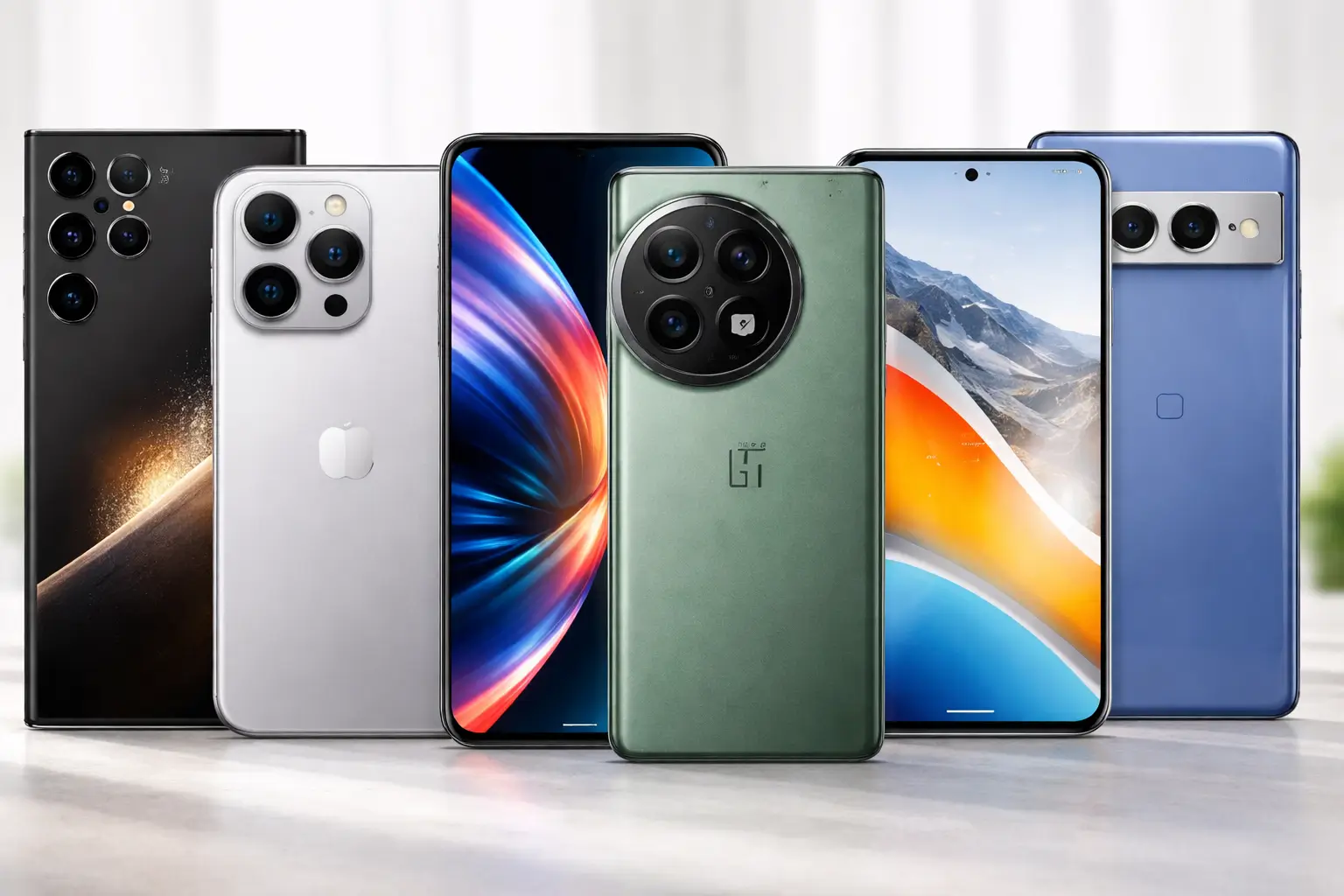
The most popular phone in the world right now is the iPhone 15 Pro Max, based on the latest consolidated global sales rankings, shipment data, and active user adoption across major markets. Across multiple industry tracking firms and carrier sales reports, this model consistently ranks as the single best-selling smartphone worldwide in the current cycle.
Popularity here is not defined by brand awareness or marketing reach, but by actual units sold and actively used.
How “Most Popular” Is Determined
When analysts identify the most popular phone globally, they rely on three measurable indicators:
- Global unit sales by model
- Market share within the premium and overall smartphone segment
- Sustained demand across regions, not just one country
Across these criteria, one device continues to lead.
The Phone That Leads Global Sales
iPhone 15 Pro Max at a Glance
- Ranks first in global single-model smartphone sales
- Leads in revenue contribution among all phones sold
- Shows strong demand across North America, Europe, East Asia, and parts of the Middle East
Unlike brand-level popularity, this ranking focuses on one specific model, not an entire product line.
Why This Model Dominates Worldwide
1. Broad Global Availability
The phone is launched simultaneously in most major markets, reducing regional gaps that affect many competitors. This allows demand to concentrate around a single model rather than fragmenting across variants.
2. Long-Term Software Support
Buyers factor in longevity. Devices with multi-year update commitments tend to remain in use longer, reinforcing their popularity through both sales and active usage.
3. Strong Upgrade Cycles
A large installed base of older models drives predictable upgrade demand. When a significant portion of users upgrade to the same flagship model, sales concentrate quickly.
4. High Resale and Trade-In Value
Phones that retain value encourage faster upgrade decisions, increasing annual sales velocity.
How It Compares to Other High-Selling Phones
Android Flagships
While several Android models perform strongly at a brand level, sales are distributed across multiple models and regional variants. This prevents any single Android phone from surpassing the global sales concentration of the leading iPhone model.
Budget and Mid-Range Phones
Entry-level and mid-range phones often sell in large volumes regionally, but:
- They are split across dozens of similar models
- Sales are heavily price- and market-specific
- No single budget model dominates globally
As a result, their popularity is broad but fragmented.
Regional Demand Patterns That Matter
North America and Europe
Premium models account for a disproportionate share of total smartphone revenue and unit sales, heavily influencing global rankings.
Asia-Pacific
While price-sensitive markets favor mid-range devices, flagship adoption in urban centers still contributes significantly to global totals.
Emerging Markets
Sales volumes are high, but model diversity is wide, reducing the chance of one phone dominating worldwide rankings.
Popularity vs Market Share: A Key Distinction
- Market share measures brand performance
- Popularity at the model level measures concentrated demand
A brand can lead market share without having the most popular phone. The current leader succeeds because demand converges on one model rather than spreading out.
Limitations of Popularity Rankings
Even the most popular phone in the world does not represent the best choice for every user. Rankings do not account for:
- Price sensitivity
- Regional network preferences
- Platform ecosystem needs
Popularity reflects collective buying behavior, not universal suitability.