Introduction: Why Phone Buying Feels Different Right Now
Walk into any phone store today—or scroll through online listings—and one thing becomes immediately clear: buyer priorities have shifted. Performance numbers alone no longer seal the deal. Instead, people are weighing camera consistency, software longevity, AI usefulness, durability, and long-term value.
That shift explains why trending phones in 2025 look very different from just a few years ago. Some premium models are winning attention for restraint and reliability, while certain mid-range phones are outperforming expectations. Foldables are becoming practical, not experimental. AI features are finally useful rather than decorative.
This matters now because smartphones are lasting longer, costing more, and playing a bigger role in work, payments, and daily life. Understanding which trending smartphones are influencing buyer behavior helps readers make smarter upgrade decisions—whether they are casual users or tech professionals.
What Makes a Phone “Trending” Today?
Before listing the devices, it is worth clarifying why some phones gain traction while others fade quickly.
Modern Buying Triggers
Phones trend today due to a combination of:
- Real-world performance, not benchmark scores
- Camera reliability, especially in low light
- Battery efficiency and charging habits
- Software update commitment
- AI features that save time
- Perceived long-term value
A phone becomes “trending” when it aligns with how people actually use their devices—not just how brands market them.
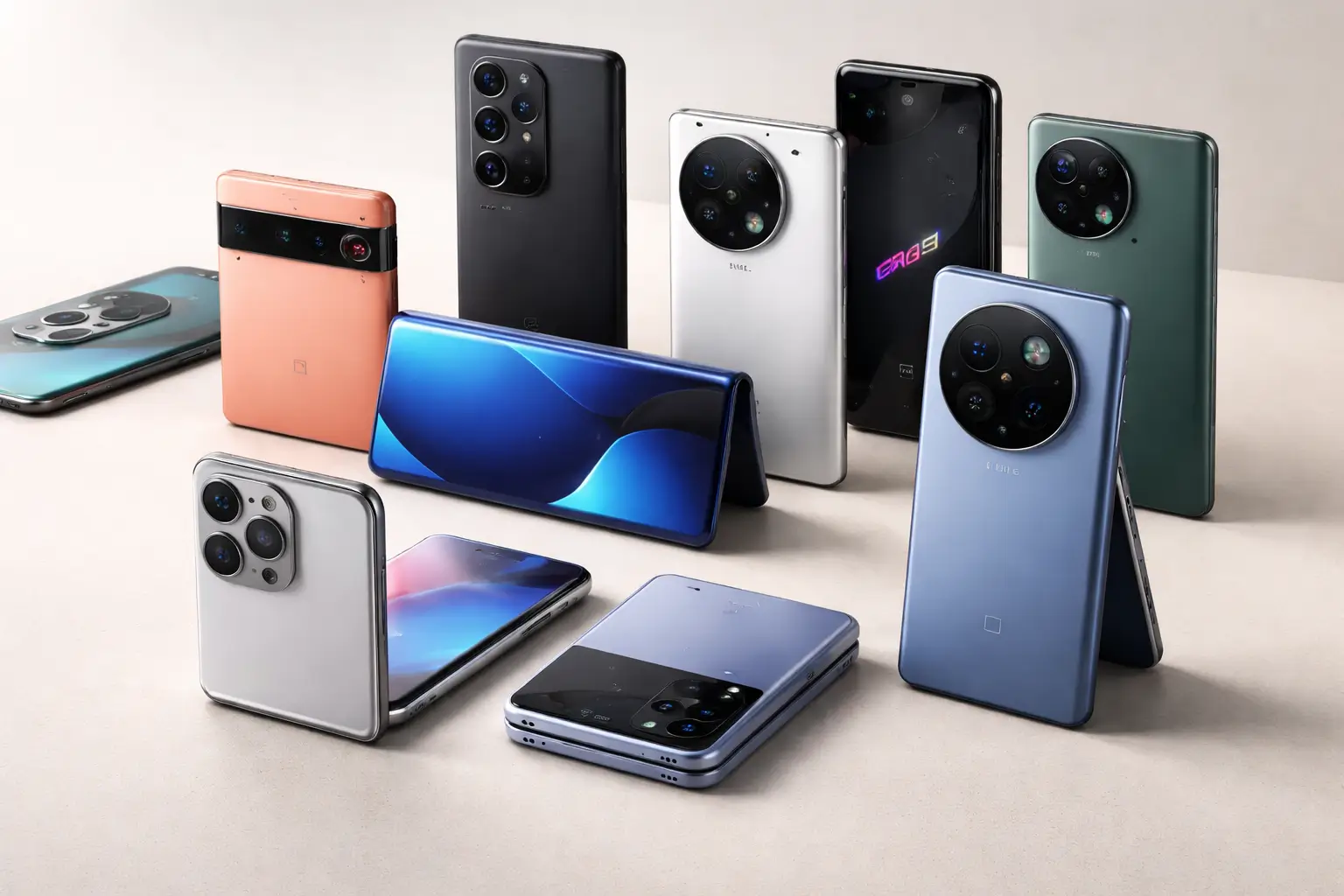
Top 20 Trending Phones Changing Buyer Preferences
1. Apple iPhone 15
Apple’s focus on refined performance, dependable cameras, and long software support keeps this model consistently in demand.
Why it’s trending:
Buyers value stability and ecosystem reliability over flashy specs.
2. Samsung Galaxy S24 Ultra
With AI-powered features and a productivity-first design, this phone appeals to professionals and power users.
Buyer impact:
Large displays and stylus functionality remain relevant in 2025.
3. Google Pixel 8
Known for camera accuracy and clean software, Pixel phones continue influencing photography-focused buyers.
Why people choose it:
Consistent image quality and meaningful AI tools.
4. OnePlus 12
OnePlus regains momentum by balancing speed, display quality, and pricing.
Market shift:
Performance-driven buyers want fewer compromises.
5. Samsung Galaxy Z Fold 5
Foldables move closer to mainstream as durability improves.
Trend insight:
Productivity use cases are replacing novelty appeal.
6. iQOO 12
This phone shows how gaming-focused hardware can still appeal to general users.
Why it matters:
Thermal efficiency and smooth UI are now purchase factors.
7. Xiaomi 14
Xiaomi emphasizes camera partnerships and compact premium design.
Buyer preference shift:
High-end features in manageable form factors.
8. Vivo X100 Pro
Strong low-light photography positions Vivo as a serious camera contender.
Impact:
Camera performance influences brand loyalty more than ever.
9. Nothing Phone (2)
Minimalist design and clean software attract buyers tired of cluttered interfaces.
Why it trends:
Design clarity builds emotional connection.
10. Realme GT 5 Pro
Flagship-level specs at aggressive pricing change expectations.
Buyer behavior:
Value-driven flagship alternatives gain trust.
11. Motorola Edge 40
Clean Android experience and balanced specs appeal to practical users.
Trend takeaway:
Software simplicity is becoming a selling point.
12. Samsung Galaxy A55
Mid-range buyers now expect premium build quality.
Why it matters:
Affordable phones no longer feel disposable.
13. Apple iPhone SE
Compact size and familiar experience keep it relevant.
User preference:
Not everyone wants bigger screens.
14. Oppo Reno 11 Pro
Balanced cameras and design-driven marketing resonate with lifestyle users.
Impact:
Aesthetics influence purchase confidence.
15. Samsung Galaxy Z Flip 5
Compact foldables redefine portability.
Why it trends:
Fashion and functionality intersect.
16. Infinix Zero Ultra
Aggressive features challenge established brands in emerging markets.
Market insight:
Price ceilings are being tested.
17. Tecno Phantom X2
Tecno gains attention for innovation beyond entry-level segments.
Buyer takeaway:
Brand perceptions are evolving.
18. Asus ROG Phone 7
Gaming phones influence mainstream cooling and battery design.
Why it matters:
Performance optimization affects all categories.
19. Sony Xperia 1 V
Niche appeal for creators who value manual controls.
Trend signal:
Specialized phones still have loyal audiences.
20. Redmi Note 13 Pro
Redmi continues shaping expectations in the budget-premium segment.
Buyer behavior:
Affordable phones must now deliver premium experiences.
How These Trending Phones Are Changing Buyer Behavior
1. Longer Upgrade Cycles
People now expect phones to last 3–5 years.
2. Camera Trust Over Specs
Consistency matters more than megapixel counts.
3. AI With Purpose
Buyers prefer AI that saves time, not just demos.
4. Mid-Range Confidence
Consumers feel less pressure to buy flagships.
Frequently Asked Questions (FAQ)
What are trending phones?
Trending phones are devices gaining attention due to real-world usability, design relevance, and strong buyer interest.
How often do trending smartphones change?
They shift every few months, influenced by launches, updates, and market feedback.
Are trending phones always expensive?
No. Many trending smartphones fall in mid-range price brackets.
Do trending phones offer better value?
Often yes, as they reflect what buyers currently prioritize.
Should I buy a phone just because it’s trending?
Use trends as guidance, not a rule. Match features to your needs.
Are foldable phones reliable now?
Yes, newer foldables are significantly more durable than earlier versions.
Which feature matters most today?
Battery efficiency and camera reliability rank highest for most buyers.
Do software updates affect phone popularity?
Absolutely. Longer update promises increase buyer trust.
Conclusion: What This Trend Tells Us
The rise of these trending phones shows a maturing smartphone market. Buyers are no longer chasing raw specs—they are choosing balance, longevity, and usability. Brands responding to these priorities are shaping the future of mobile technology.
Understanding these shifts empowers readers to make smarter, longer-lasting decisions in an increasingly crowded market.
Disclaimer
Specifications, pricing, and availability may vary by region and may change over time. Readers should verify details with official sources before purchasing.