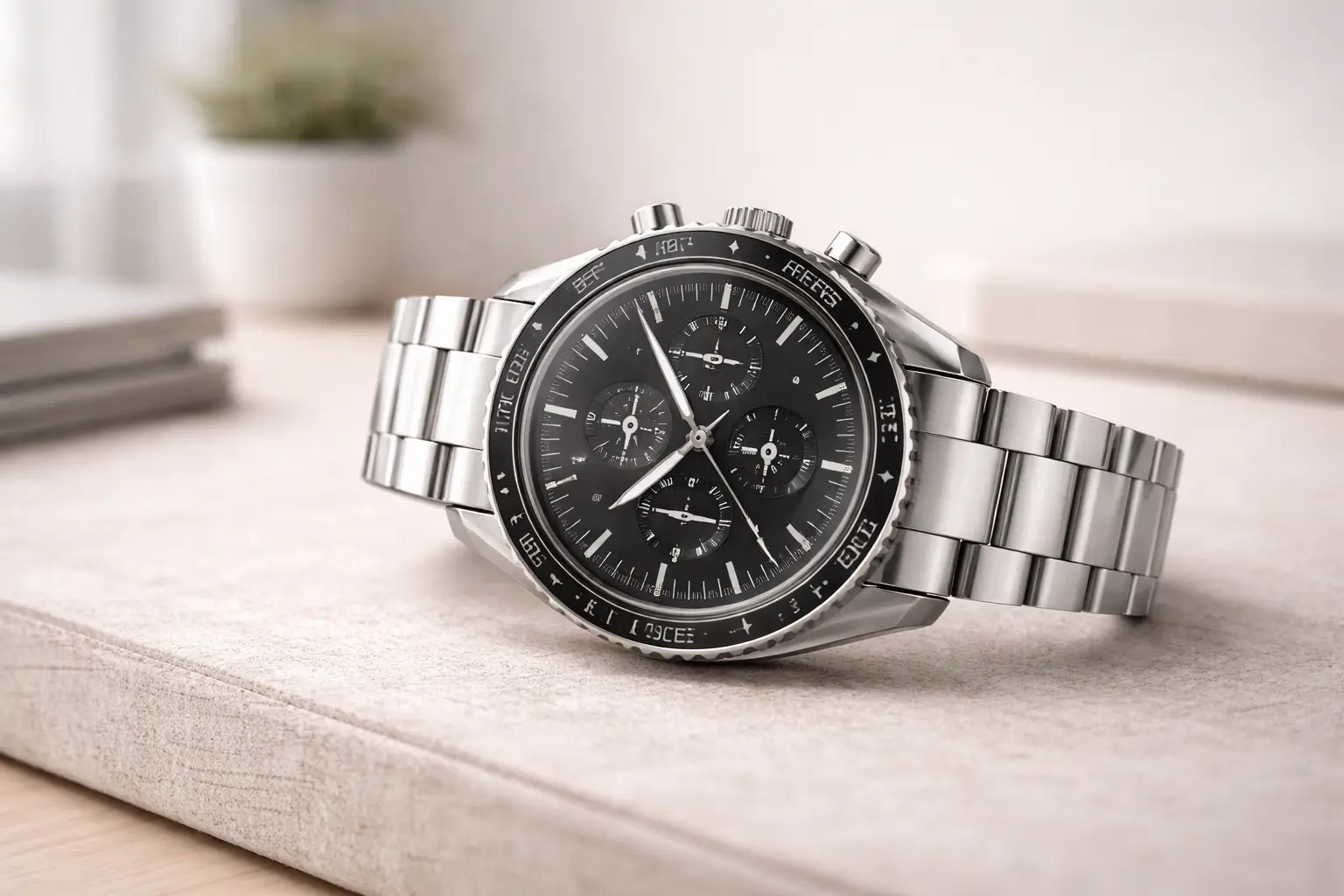
Introduction: Luxury That Hasn’t Lost Its Meaning
Luxury is a crowded word in modern culture. It is used to describe everything from fashion drops to limited-edition gadgets. Yet when people talk about a truly enduring omega watch, the conversation changes. It becomes quieter, more deliberate, and rooted in long-term value rather than momentary appeal.
That distinction matters today more than ever. As trends accelerate and digital products age quickly, mechanical watches remain one of the few luxury objects designed to outlast their owners. Omega’s continued relevance is not accidental. It reflects a balance of precision, restraint, and credibility that few brands manage to sustain over generations.
The Brand Behind the Standard
An omega watch is produced by Omega, a Swiss manufacturer whose history is closely tied to modern horology. What separates Omega from many luxury brands is not just age or recognition, but consistency.
For decades, Omega has occupied a space between pure heritage and functional innovation. It has avoided becoming untouchable or overly experimental, choosing instead to refine what already works.
Why “Standard” Is the Right Word
Calling something a luxury standard implies more than popularity. It suggests reliability, reference, and trust. In watchmaking, a standard is something others measure themselves against.
Omega watches often serve that role because they combine:
- Technical precision
- Long-term reliability
- Conservative but confident design
- Strong resale and collector interest
These traits form a baseline expectation for what a luxury watch should be.
Precision That Goes Beyond Marketing
Accuracy as a Core Value
Mechanical accuracy is not just a technical metric; it is a philosophical one. Omega has consistently invested in improving real-world precision rather than relying on heritage alone.
Modern Omega movements are designed to perform reliably under everyday conditions, including magnetic exposure and temperature variation. This practical focus resonates with professionals who value performance as much as symbolism.
Certification That Means Something
Many Omega watches undergo rigorous testing standards that exceed traditional benchmarks. For buyers, this translates into confidence rather than abstraction. Accuracy is not a claim; it is demonstrated.
Design That Ages Well, Not Quickly
Recognizable Without Being Loud
An omega watch is rarely mistaken for anything else, yet it does not rely on excessive branding. The designs emphasize balance, proportion, and legibility.
This approach ensures that models remain wearable decades after release. In a world of fast-changing aesthetics, restraint becomes a luxury in itself.
Consistency Across Collections
Whether someone chooses a sport-oriented model or a dressier piece, there is a shared design language. That continuity reinforces trust and brand identity without stagnation.
Cultural Relevance Without Overexposure
One reason the Omega watch still holds prestige is selective visibility. It has been present in significant moments—exploration, sport, and science—without becoming over-commercialized.
This controlled presence allows the brand to remain aspirational without feeling distant or artificial.
Real-World Scenarios Where Omega Stands Out
The Professional Environment
For professionals, a watch often serves as a quiet signal of taste and reliability. An omega watch communicates seriousness without drawing unnecessary attention.
Long-Term Ownership
Many owners wear the same Omega watch for decades. The design does not feel outdated, and the mechanics remain serviceable, reinforcing long-term value.
Collecting With Purpose
Collectors often view Omega as a foundation brand—one that anchors a collection before branching into niche or experimental pieces.
Craftsmanship That Balances Tradition and Modernity
Materials That Serve Function
Omega does not pursue novelty for its own sake. Materials are chosen for durability, comfort, and performance rather than spectacle.
Manufacturing at Scale Without Losing Control
Producing watches at scale while maintaining quality is difficult. Omega’s ability to do so consistently is a key reason it sets a standard rather than following trends.
Benefits of Choosing an Omega Watch
- Proven reliability over decades
- Balanced design suitable for daily wear
- Strong brand recognition without excess
- Wide service network and support
- Enduring collector interest
These benefits appeal equally to first-time buyers and seasoned enthusiasts.
Honest Limitations to Consider
No luxury product is without compromise.
- Omega watches may feel conservative to those seeking radical design
- Pricing reflects quality but is not entry-level
- Some models prioritize versatility over exclusivity
These trade-offs are part of what keeps the brand grounded.
How Omega Maintains Relevance Today
Incremental Innovation
Rather than dramatic reinvention, Omega focuses on refining details that matter to wearers. This includes comfort, reliability, and usability.
Respect for Its Own Archive
Omega revisits its history carefully, avoiding excessive nostalgia. Heritage models are updated subtly rather than replicated without context.
Step-by-Step: How People Typically Choose an Omega Watch
- Identify lifestyle needs (daily wear, sport, formal)
- Consider long-term comfort and durability
- Evaluate design longevity
- Compare movement reliability
- Choose a model that fits personal identity, not trends
This thoughtful process mirrors the brand’s own philosophy.
Frequently Asked Questions (FAQ)
What makes an Omega watch a luxury standard?
Its combination of precision, durability, design restraint, and long-term relevance sets expectations for the industry.
Is an Omega watch suitable for everyday wear?
Yes. Many models are designed specifically for daily use with strong durability and comfort.
Does Omega focus more on heritage or innovation?
Omega balances both, prioritizing practical improvements while respecting its historical identity.
Are Omega watches good for beginners?
They are often recommended as a first serious luxury watch due to reliability and accessibility.
Do Omega watches hold value?
While not all models appreciate, many retain value well due to brand credibility and demand.
How does Omega compare to other Swiss brands?
Omega is often seen as a benchmark brand—reliable, precise, and widely respected without being inaccessible.
Is mechanical accuracy still important today?
Yes. Accuracy reflects engineering quality and long-term reliability, not just timekeeping.
Why This Standard Still Matters
In an era where luxury often feels temporary, the Omega watch represents continuity. It demonstrates that refinement, patience, and technical discipline still resonate with modern audiences.
This relevance is not driven by hype cycles, but by trust built over time.
Conclusion: Luxury Defined by Consistency
The omega watch continues to set the luxury standard because it understands its role. It does not chase attention. It earns it through consistency, precision, and thoughtful design.
For those who value objects meant to endure, Omega remains a reference point—not because it claims to be, but because experience proves it.
Disclaimer
This article is for informational purposes only and does not constitute financial or purchasing advice. Individual preferences and experiences may vary.