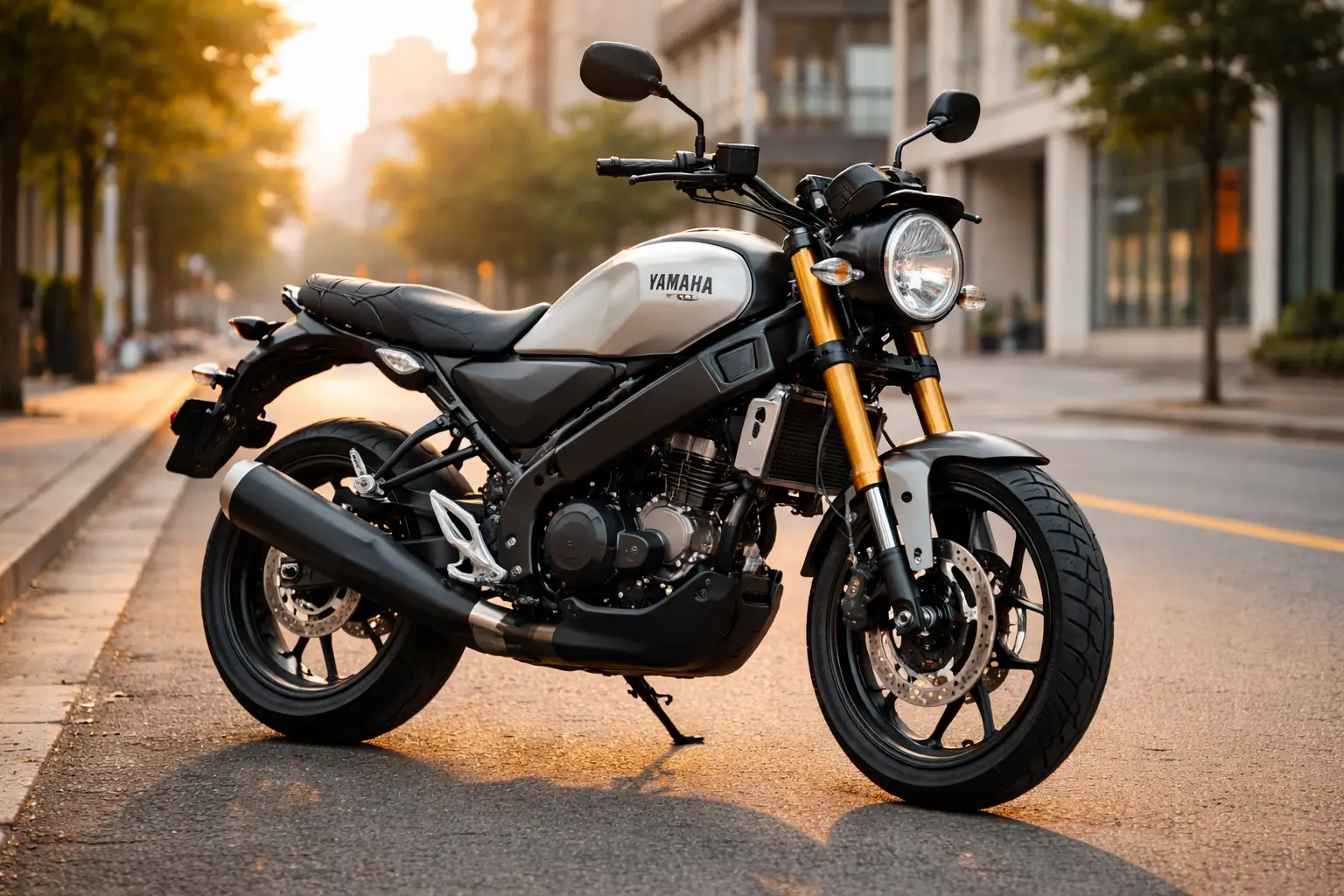
The Yamaha XSR 155 stands out in India’s premium 150cc motorcycle space because it blends retro design with modern engineering—something very few bikes attempt at this displacement. For many riders, however, style alone is not enough. What truly matters is yamaha xsr 155 mileage, how much it costs to own, and whether its performance justifies the premium positioning. This article looks at all three aspects in depth, based on real-world usage patterns, ownership considerations, and segment expectations.
Why Yamaha XSR 155 Matters Right Now
The Indian motorcycle market has matured. Buyers today are no longer choosing bikes only for fuel efficiency or raw power. Design identity, riding feel, and long-term value matter just as much. The XSR 155 sits exactly at this intersection—appealing to riders who want something distinctive without moving into high-displacement territory.
With rising fuel prices and growing interest in lifestyle motorcycles, understanding mileage, price, and performance together is more relevant now than ever.
Yamaha XSR 155 Overview at a Glance
The XSR 155 is based on Yamaha’s proven 155cc platform, shared with other performance-oriented models. However, its character is tuned differently.
Key highlights:
- Neo-retro styling inspired by Yamaha’s global XSR lineup
- Liquid-cooled 155cc engine with modern tech
- Upright riding posture suited for daily use
- Premium build quality and finish
This positioning directly impacts mileage expectations and pricing.
Yamaha XSR 155 Mileage: Real-World Expectations
Claimed vs Practical Mileage
Yamaha does not aggressively market mileage figures for the XSR 155, because the bike is not positioned as a commuter. That said, real-world usage tells a clearer story.
In practical conditions:
- City riding: Around 40–45 km/l
- Highway cruising: Around 45–50 km/l
Actual mileage depends on riding style, traffic conditions, and maintenance. Smooth throttle inputs and steady speeds noticeably improve efficiency.
Why Mileage Is Lower Than Commuter Bikes
The yamaha xsr 155 mileage is lower than basic 150cc commuters for clear reasons:
- Liquid cooling prioritizes performance consistency
- Higher revving nature of the engine
- Wider tyres and heavier build
These trade-offs are intentional and align with the bike’s premium character.
Engine and Performance Explained Simply
155cc Engine with Variable Valve Actuation
At the heart of the XSR 155 is a 155cc, liquid-cooled, single-cylinder engine featuring Variable Valve Actuation (VVA). This technology allows the bike to perform well at both low and high rpm.
What this means for riders:
- Smooth city riding without constant gear changes
- Strong pull once the engine revs climb
- Consistent power delivery even on highways
Power Delivery in Daily Use
The performance is best described as refined rather than aggressive.
- City traffic: Easy to manage, predictable throttle
- Open roads: Confident overtakes and stable cruising
- Spirited riding: Enjoyable but not intimidating
For most riders, this balance makes the bike usable every day without sacrificing fun.
Riding Experience and Comfort
Ergonomics and Seating
The XSR 155 features an upright riding position, which:
- Reduces wrist and shoulder strain
- Improves visibility in traffic
- Makes longer rides more comfortable
The seat cushioning is firm but supportive, suitable for daily commuting and weekend rides.
Suspension and Handling
Yamaha has tuned the suspension toward stability rather than softness.
- City roads: Handles bumps reasonably well
- Highways: Feels planted and confident
- Corners: Predictable and composed
This contributes to the overall feeling of control, especially for riders upgrading from commuter bikes.
Yamaha XSR 155 Price in India
Expected Price Positioning
The XSR 155 sits in the premium 150cc segment. While exact pricing varies by state and taxes, it is positioned above standard 150cc commuters and close to performance-focused alternatives.
This pricing reflects:
- Imported or premium components
- Advanced engine technology
- Lifestyle-oriented design
Value for Money Perspective
From a pure cost-per-kilometre view, the XSR 155 may not look ideal. However, value here is defined by:
- Build quality
- Riding satisfaction
- Long-term ownership pride
For buyers prioritizing experience over numbers, the price makes sense.
Ownership Costs and Maintenance
Fuel Costs
With real-world mileage in the 40–50 km/l range, fuel expenses are manageable for a premium bike, though higher than basic commuters.
Service and Reliability
Yamaha engines are known for:
- Strong long-term reliability
- Smooth performance even after years of use
- Wide service network in India
Routine maintenance costs are reasonable for the segment, provided regular servicing is followed.
Pros and Cons at a Glance
Advantages
- Distinctive retro-modern design
- Refined and responsive engine
- Comfortable ergonomics
- Premium build quality
Limitations
- Mileage lower than commuter-focused bikes
- Premium pricing for the segment
- Not aimed at aggressive performance riders
Understanding these clearly helps set the right expectations.
Who Should Buy the Yamaha XSR 155
The XSR 155 is best suited for:
- Riders upgrading from commuter motorcycles
- Urban professionals wanting a stylish daily bike
- Enthusiasts who value design and refinement
- Weekend riders who prefer relaxed performance
It is not ideal for riders whose top priority is maximum mileage or lowest upfront cost.
Comparison With Typical 150cc Bikes
While many 150cc motorcycles focus on either efficiency or sportiness, the XSR 155 occupies a niche:
- More premium than commuters
- More relaxed than pure sport models
- Better build quality than most rivals
This unique positioning explains both its mileage characteristics and pricing.
Long-Term Ownership Experience
Over time, owners tend to appreciate:
- Stable performance even after high mileage
- Consistent engine refinement
- Strong resale interest due to unique design
These factors often offset the higher initial price.
Frequently Asked Questions (FAQ)
What is the real mileage of Yamaha XSR 155?
In real-world riding, mileage typically ranges between 40 and 50 km/l depending on conditions.
Is Yamaha XSR 155 suitable for daily commuting?
Yes, its upright ergonomics and smooth engine make it suitable for daily use, especially in cities.
Is Yamaha XSR 155 expensive to maintain?
Maintenance costs are reasonable for a premium 150cc motorcycle, provided regular service schedules are followed.
How does XSR 155 compare to other Yamaha 155cc bikes?
It shares the same engine platform but is tuned for a more relaxed, lifestyle-oriented riding experience.
Is the XSR 155 good for long rides?
Yes, the comfortable seating and stable handling make it suitable for moderate long-distance rides.
Does the XSR 155 focus more on style or performance?
It balances both, but leans slightly more toward refined performance and design than outright speed.
Is Yamaha XSR 155 beginner-friendly?
Yes, its predictable power delivery makes it approachable for new riders upgrading from smaller bikes.
Final Thoughts
The Yamaha XSR 155 is not designed to chase the highest mileage numbers or the lowest price tags. Instead, it offers a thoughtfully balanced package—respectable mileage for its class, refined performance, and standout design. For riders who value character, everyday usability, and long-term satisfaction, it delivers a compelling experience.
Disclaimer
Mileage figures mentioned are based on real-world riding conditions and may vary depending on riding style, traffic, road conditions, and maintenance practices.