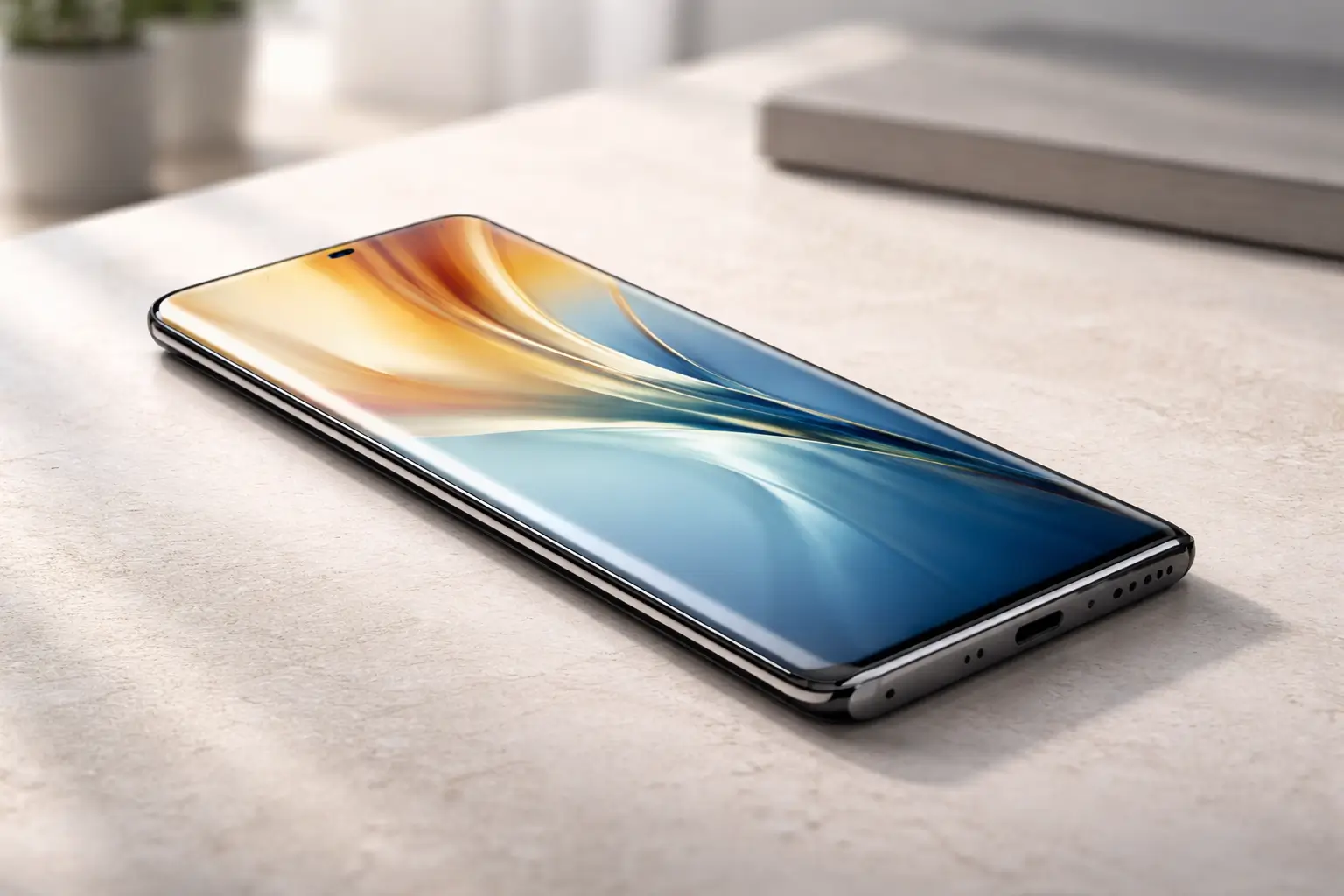
The smartphone industry has reached a point where raw performance alone no longer excites users. What increasingly shapes everyday satisfaction is how a phone feels to use. This is where the curved glass phone has quietly redefined user experience.
Once seen as a luxury design experiment, curved glass displays have matured into a functional design choice that affects grip comfort, visual immersion, and interaction flow. In 2024 and moving into 2025, manufacturers are refining curved edges to strike a balance between elegance and usability—moving beyond gimmicks.
This article explores the top 9 curved glass phone models changing user experience, focusing on how curved displays influence real-world use. Rather than marketing promises, the emphasis here is on practical impact, design intent, and daily usability—what truly matters to general users and professionals alike.
Why Curved Glass Phones Still Matter Today
Curved displays have evolved significantly from their early iterations. Modern curved glass phones aim to:
- Improve one-handed comfort
- Reduce visual bezel presence
- Enhance immersive viewing
- Create smoother gesture navigation
While flat displays remain popular, curved designs continue to influence premium smartphone identity—especially in flagship models.
Top 9 Curved Glass Phone Models Changing User Experience
1. Samsung Galaxy S24 Ultra
Samsung remains the benchmark for refined curved glass execution. The Galaxy S24 Ultra introduces subtle edge curvature, prioritizing comfort without accidental touches.
Why it stands out
- Minimal edge distortion
- Improved grip for large-screen users
- Optimized stylus interaction
User impact: Long reading sessions and productivity tasks feel more natural, especially for professionals using the S Pen regularly.
2. Xiaomi 14 Pro
Xiaomi’s quad-curved glass design pushes visual symmetry while maintaining structural strength.
Key experience highlights
- Balanced curvature on all sides
- Seamless swipe gestures
- Premium in-hand feel
User impact: Media consumption and gaming feel immersive without compromising usability.
3. OnePlus 12
OnePlus refines curved glass with a practical approach focused on ergonomics and display clarity.
Why users notice it
- Reduced accidental touches
- Comfortable edge grip
- High brightness curved panel
User impact: Ideal for users who want a curved display phone without usability trade-offs.
4. Vivo X100 Pro
Vivo blends camera-centric design with curved glass aesthetics that feel purposeful.
Experience-driven features
- Smooth edge scrolling
- Excellent outdoor visibility
- Natural palm support
User impact: Photography-focused users benefit from comfort during extended shooting sessions.
5. Oppo Find X7 Ultra
Oppo’s curved glass phone emphasizes visual fluidity and premium craftsmanship.
What makes it different
- Soft curvature reduces hand fatigue
- Elegant edge-to-edge visuals
- Refined gesture responsiveness
User impact: A polished experience for users who value design harmony.
6. Motorola Edge 40 Pro
Motorola continues to define its Edge series around curved glass usability.
Practical advantages
- Lightweight curved build
- Clean Android interaction
- Comfortable long-term usage
User impact: Particularly appealing to users who prefer clean software with ergonomic design.
7. Huawei P60 Pro
Huawei’s curved display philosophy focuses on refinement rather than exaggeration.
Design strengths
- Subtle curvature reduces glare
- Strong glass durability
- Balanced weight distribution
User impact: Business users benefit from readability and grip stability.
8. iQOO 12 Pro
iQOO targets performance users while adopting curved glass for comfort.
Experience focus
- Edge gestures optimized for gaming
- Reduced palm pressure points
- Premium finish
User impact: Gamers and power users experience less fatigue during extended sessions.
9. Realme GT 5 Pro
Realme brings curved glass to a broader audience without sacrificing usability.
Why it matters
- Affordable curved display phone
- Improved one-hand usability
- Modern design appeal
User impact: Makes curved glass accessible to everyday users exploring premium features.
How Curved Glass Changes Daily Smartphone Use
Benefits
- Enhanced visual immersion
- More natural hand ergonomics
- Reduced perceived device bulk
- Premium aesthetic appeal
Drawbacks to Consider
- Accidental edge touches (less common now)
- Limited screen protector compatibility
- Slight learning curve for new users
Manufacturers have addressed many early issues, but curved displays still require thoughtful design.
Curved Display Phone vs Flat Display: A Practical Comparison
| Aspect | Curved Glass Phone | Flat Display Phone |
|---|
| Grip comfort | Better for large screens | Neutral |
| Visual immersion | Higher | Standard |
| Durability perception | Premium but cautious | Strong |
| Accessibility | Slight learning curve | Universal |
Frequently Asked Questions (FAQ)
1. What is a curved glass phone?
A curved glass phone features a display that gently curves over the edges, improving grip and visual immersion.
2. Are curved displays practical for daily use?
Yes, modern curved displays are designed to minimize accidental touches and improve ergonomics.
3. Do curved glass phones break easily?
They are not inherently fragile, but quality glass and case protection matter.
4. Is a curved display phone good for gaming?
Many gamers prefer curved displays for immersive visuals and comfortable grip.
5. Are curved glass phones harder to protect?
Screen protectors can be trickier, but compatible options are widely available.
6. Do professionals benefit from curved screens?
Yes, especially for reading, multitasking, and prolonged use.
7. Is curved glass only for premium phones?
Mostly, but mid-range options are increasingly adopting refined curves.
Conclusion
The curved glass phone is no longer a design experiment—it is a mature, user-focused approach shaping how people interact with smartphones daily. The top 9 curved glass phone models changing user experience demonstrate that when executed well, curved displays enhance comfort, immersion, and long-term usability.
For users who value how a phone feels just as much as how it performs, curved glass remains a meaningful evolution rather than a passing trend.
Disclaimer
Product availability, specifications, and user experience may vary by region and software updates. This article is for informational purposes only.